More Beauty Skin Care & Gorgeous Smiles Articles
Mastering the Use of Nuvessa Gel for Optimal Results
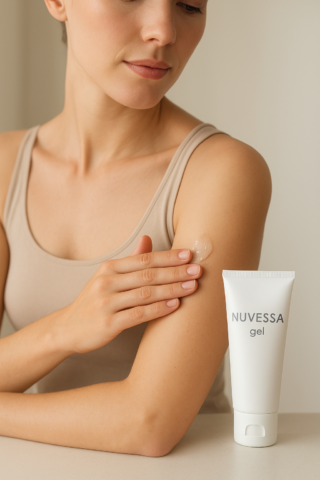
For someone dealing with a common vaginal yeast infection, managing the itch and discomfort is a priority. Many patients are directed towards medications like Nuvessa Gel, but understanding nuvessa gel how to use correctly can be crucial for achieving relief. Here’s a closer look at how you can maximize the effectiveness of this topical treatment.
Nuvessa Gel: How to Use for Best Outcomes
Nuvessa gel is an antifungal medication used primarily for vaginal yeast infections. The active ingredient, metronidazole, targets harmful fungi and helps halt their growth. To get the best results, follow your healthcare provider’s instructions precisely. Typically, the gel is applied once daily, usually at bedtime, for a specific duration prescribed by your clinician.
Preparation and Application
Before you start using the gel, wash your hands thoroughly. Make sure the application area is clean and dry. Most often, the gel is applied using a provided applicator, inserted into the vagina at night so it can work effectively while you rest.
Consistency Is Key
One of the essential aspects of using Nuvessa gel effectively is consistency. Ensure you apply it at the same time daily, completing the entire course prescribed to fully clear the infection. Stopping the medication too soon, even if symptoms improve, can lead to a recurrence of infection.
Possible Side Effects and What to Expect
Like many medications, Nuvessa gel may cause side effects, although not everyone will experience them. Common reactions include mild irritation or a burning sensation at the application site. If these effects persist or worsen, consult your healthcare provider.
It’s rare, but some people may experience more severe side effects, like an allergic reaction, characterized by rash, itching, or swelling. In such cases, seek medical help promptly.
Interactions with Other Medications
Always inform your doctor about other medications you’re taking. Some drugs may interact with metronidazole, potentially affecting its effectiveness or increasing the risk of side effects.
When to Seek Care
If your symptoms persist despite treatment or if you experience severe irritation, it’s crucial to consult with your healthcare provider. An obstetrician-gynecologist (OB-GYN) or primary care physician can help assess your condition and recommend alternative treatments if necessary.
Persistent infections may indicate underlying health issues, such as weakened immunity or other vaginal conditions that require different management strategies.
Planning for Lifestyle Impact
Understanding how nuvessa how to use not only aids recovery but also helps you manage daily activities comfortably. During treatment, avoid using tampons or douches, as these can interfere with the medication’s effectiveness. Opt for breathable, cotton underwear and avoid tight-fitting clothing to ensure comfort and reduce moisture buildup.
Incorporate [healthy lifestyle choices](https://yourhealthmagazine.net/article/weight-control-nutrition-exercise/how-lifestyle-choices-impact-our-overall-health/) to support overall health and reduce the likelihood of recurrent infections.
What to Ask Your Doctor
Before you start using Nuvessa gel, have a conversation with your healthcare provider to ensure you understand the treatment plan. Ask about the expected timeline for symptom relief and what steps to take if symptoms do not improve.
Discuss any pre-existing conditions or current medications that could affect treatment. For more detailed drug information, explore the resources available from MedlinePlus Drug Information.
Takeaways
- Nuvessa gel is commonly used for treating vaginal yeast infections.
- Apply the gel as directed, typically at bedtime, using the applicator provided.
- Complete the full course of treatment to prevent infection recurrence.
- Contact a healthcare provider if severe side effects or persistent symptoms occur.
- Integrating [healthy lifestyle choices](https://yourhealthmagazine.net/article/weight-control-nutrition-exercise/how-lifestyle-choices-impact-our-overall-health/) can aid recovery and prevention.
Common Questions
When should I consult my healthcare provider?
Seek medical advice if your symptoms persist after the full course of Nuvessa gel or if you experience severe side effects like a rash or swelling.
Which healthcare provider should I see for vaginal infections?
An obstetrician-gynecologist (OB-GYN) is typically the specialist for recurrent vaginal infections, although a primary care physician can also address initial concerns.
Can I use Nuvessa gel during my menstrual cycle?
Yes, you can use Nuvessa gel during menstruation, although it’s recommended to avoid tampons and switch to pads to ensure the gel’s effectiveness.
Is it normal to experience mild burning while using the gel?
Some mild burning or irritation can occur, but it should improve over time. If the sensation is severe or persists, reach out to your healthcare provider.
Embracing the proper usage of Nuvessa gel, how to use it, and understanding when to seek further care can make a significant difference in your recovery and overall health experience.
Other Articles You May Find of Interest...
- Botox vs Dysport vs Xeomin: Which Neuromodulator Is Right for You?
- Understanding PDRN Therapy: The Science Behind Skin Barrier Repair and Tissue Regeneration
- Who Is a Suitable Candidate for Breast Augmentation?
- Peptides vs Retinoids for Sensitive Skin: Why Matrixyl 3000 and CoQ10 Are Changing the Conversation
- Whitehead or Pustule? How to Tell These Acne Bumps Apart
- What Patients Should Know About Skin Removal Surgery
- Breast Augmentation vs. Breast Lift: Understanding the Difference