






More Family/Primary Care Articles
Why Having the Right Primary Care Doctor Matters More Than You Think
Most people schedule a doctor’s appointment the same way they schedule a car repair — only when something stops working. Three weeks into a cough, or the moment a nurse raises an eyebrow at their blood pressure reading.
But showing up only when something is wrong means missing most of what primary care is actually for. The whole point is staying ahead of problems before they get loud.
For most adults, that one consistent doctor ends up being more important than they ever expected.
What a Primary Care Provider Actually Does
Most health concerns do not need a specialist. They need someone who already knows your background and can actually sit with the question for more than eight minutes.
This includes things like:
- Annual wellness visits
- Blood pressure and cholesterol monitoring
- Diabetes management
- Preventive screenings
- Vaccinations
- Referrals to specialists when needed
And sometimes they are the ones who say — that thing you mentioned in passing last year? We should actually look into that.
Three years in, you are not starting from scratch every appointment. Your doctor already knows the backstory.
Why Consistency Matters
Walk-in clinics solve one problem at a time. That is useful sometimes. But a doctor who has seen you every year for five years is working with something those clinics will never have. But convenience is not the same as care. Nobody at a walk-in clinic knows that your father had heart disease or that you have been on the same medication for six years.
A doctor who has seen you every year for five years notices things a stranger in an urgent care clinic never would.
A ten-pound weight change over two years, slightly elevated blood pressure at three visits in a row, sleep complaints that keep coming up — none of those feel urgent on their own. But to someone watching the pattern, they tell a story.
Research backs this up too. Continuity of care is tied to better screening rates and fewer complications from chronic conditions.
The Importance of Preventive Care
Preventive care is honestly where primary care earns its keep.
High blood pressure does not announce itself. Neither does early diabetes or the slow buildup that leads to heart disease. Some of the most serious conditions spend years developing quietly before anything feels wrong.
Regular visits give a doctor the chance to catch those things while there is still time to do something simple about them.
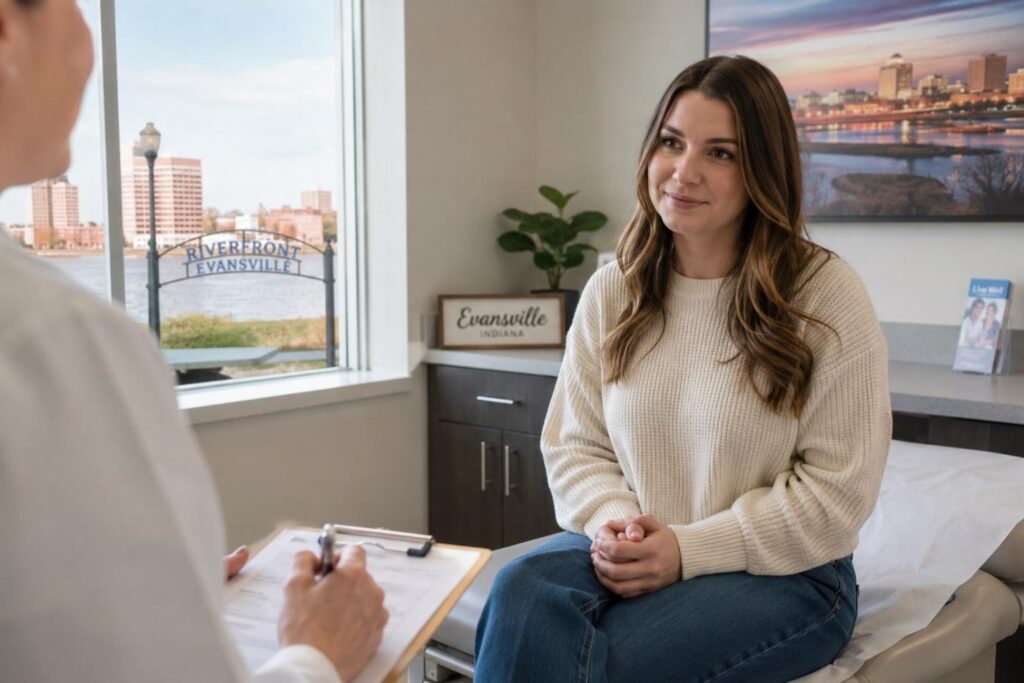
Beyond the lab work and the prescriptions, a good primary care provider will actually talk to you about how you are eating, how you are sleeping, and what stress is doing to your body.
Most people underestimate how much those conversations actually change things over time.
What to Look for in a Primary Care Provider
A degree on the wall does not tell you much about whether you will actually be honest with this person. That matters more than most people think when they are choosing a doctor. A good visit does not feel rushed. You leave knowing what was found, why it matters, and what comes next not just holding a printout you will Google later.
Other factors to consider include:
Accessibility
A great doctor you can never get an appointment with is not actually useful. A clinic that takes three weeks to book a routine visit will eventually just stop being used.
Preventive Focus
Ask about their approach before you book. Some doctors spend the whole visit reacting to symptoms. Others spend part of it asking what you want your health to look like in five years.
Coordination of Care
When you need a specialist, a solid primary care provider does not just hand you a name and wish you luck. They help connect the pieces so your care actually makes sense as a whole.
Comfort and Trust
If you edit yourself before appointments, leave out symptoms, or feel relieved when a visit is over, the fit is probably off.
Different Types of Primary Care Providers
The type of provider matters less than most people assume.
Family medicine covers all ages. Internal medicine sticks to adults. Nurse practitioners and physician assistants are fully capable of handling most primary care needs, and in a lot of practices they are the ones you will see most often.
Someone scoping out an Evensville Primary Care option might call two or three offices first, ask about new patient availability, and pay attention to how the front desk handles a basic question before ever booking an appointment.
Consistency is the whole thing. One provider, same office, over years that is what actually builds useful healthcare.
Building Better Long-Term Health
A good primary care doctor is less like a mechanic you call when the engine fails and more like someone who checks under the hood before anything breaks.
Most people sit on symptoms longer than they should. Having a regular doctor does not cure that habit, but it does mean someone else is tracking things even when you are not.
A small fix at year two beats a major problem at year ten every single time.
Final Thoughts
Nobody puts “find a primary care doctor” at the top of their list on a normal Tuesday. It gets pushed back until something goes wrong, and by then the search feels a lot more stressful than it needed to be. But having one person who actually knows your history changes how healthcare works for you.
Whether you are 32 and healthy or 58 and managing three conditions, having a doctor who actually knows you makes every part of healthcare easier.
The key is finding someone you will actually call when something feels off.
Other Articles You May Find of Interest...
- When the Emergency Room Isn’t Enough
- The Secret To Good Health
- Why Personalized Preventive Healthcare Is Replacing One-Size-Fits-All Medicine
- How Home Doctor Services Reduce Waiting Time and Improve Patient Experience
- Why Annual Flu Vaccination Matters and How Home Flu Shots Are Making It Easier in Dubai
- Family Planning Is a Team Effort: How Couples Can Make Informed Decisions Together
- The Surprising Benefits of Having a Primary Care Doctor Before You Need One




