






More Weight Control, Nutrition & Exercise Articles
Building a Stronger You: Smart Strategies for a Balanced Fitness Routine
Getting fit is rarely about chasing one type of workout. The people who stick with their routines long term tend to blend different approaches, listen to their bodies, and create a home setup that actually supports their goals.
Whether you are lifting heavy, stretching deep, or somewhere in between, the right habits and tools can transform how you feel each day. This guide walks through practical ways to build a routine that lasts, with tips on equipment, training methods, and finding qualified guidance when you need it.
Key Takeaways
- A balanced fitness routine combines strength training with mobility-focused practices like Pilates for better long-term results.
- Organising your home gym with proper storage solutions keeps workouts safe, efficient, and motivating.
- Working with certified instructors helps prevent injury and accelerates progress, especially when learning new movement disciplines.
- Consistency beats intensity, and small daily habits compound into meaningful change over months and years.
- Recovery, nutrition, and sleep are just as important as the workouts themselves.
Why a Mixed Approach Beats Single-Discipline Training
Sticking to just one type of exercise often leads to plateaus and overuse injuries. Your body adapts quickly, and without variety, progress slows down while imbalances build up.
Combining resistance training with flexibility work, cardiovascular activity, and core-focused practices creates a body that performs well across the board. You get stronger, move better, and feel less stiff in everyday life.
This kind of variety also keeps your mind engaged. Boredom is one of the top reasons people quit their fitness routines, and switching things up keeps the experience fresh.
Setting Up a Home Space That Actually Works
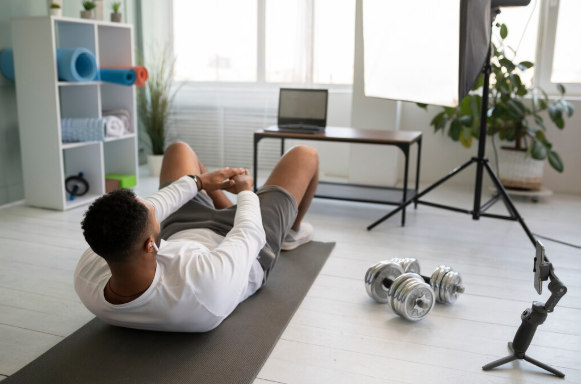
A home gym does not need to be huge or expensive to be effective. What matters most is that it feels inviting and that everything has a clear place to live when you are done using it.
Clutter is the silent killer of motivation. When dumbbells are scattered across the floor and bands are tangled in a corner, the mental friction of starting a workout grows significantly.
This is where smart organisation comes into play. Investing in a proper weight storage rack keeps your dumbbells, kettlebells, and plates accessible and off the floor, which protects both your gear and your toes.
Having dedicated zones for different activities also helps. A small mat area for stretching, a clear space for compound lifts, and a spot for your foam roller and mobility tools means you can flow through a full session without rearranging the room.
Strength Training Fundamentals Worth Knowing
Lifting weights is one of the most studied and proven forms of exercise. It builds muscle, strengthens bones, improves metabolic health, and supports better posture as you age.
Beginners often make the mistake of jumping into heavy loads too quickly. Mastering form with lighter weights first pays off massively in the long run, both in terms of results and injury prevention.
Focus on the big compound movements first. Squats, deadlifts, rows, presses, and pulls work multiple muscle groups at once and give you the biggest return on your time investment.
Progressive overload is the principle that drives results. This simply means gradually increasing the challenge over time, whether through more weight, more reps, better form, or shorter rest periods.
The Case for Adding Pilates to Your Routine
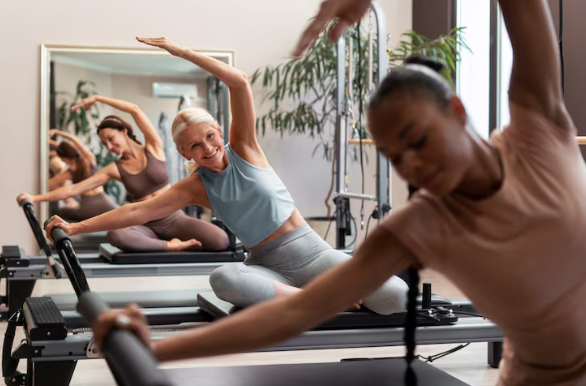
Pilates has surged in popularity for good reason. It builds deep core strength, improves posture, increases flexibility, and teaches you how to move with control and precision.
Unlike some workouts that isolate individual muscles, Pilates trains your body to function as a coordinated system. This translates beautifully into better performance in other activities, from running to lifting to simply carrying groceries up the stairs.
It is also remarkably gentle on the joints, making it accessible for people recovering from injury or dealing with chronic discomfort. Many physiotherapists actively recommend it as part of rehabilitation programmes.
The breathwork component is another underrated benefit. Learning to coordinate breath with movement reduces stress, lowers heart rate, and creates a meditative quality that few other workouts offer.
Finding Quality Instruction Matters
While there are plenty of online videos and apps that introduce Pilates basics, working with a trained professional makes a real difference. The cues, corrections, and personalised adjustments you get in person simply cannot be replicated through a screen.
If you have ever considered teaching Pilates yourself, or want to deepen your practice significantly, becoming a certified pilates instructor is a path worth exploring. Professional training programmes cover anatomy, biomechanics, programme design, and hands-on teaching skills that elevate your understanding of the method.
Even if you never plan to teach, the depth of knowledge from a comprehensive course transforms how you approach your own body. You start to notice movement patterns, compensations, and opportunities for improvement that most people miss entirely.
For those already working in fitness or healthcare, this kind of training adds a valuable dimension to your professional toolkit. It opens doors to working with diverse populations, from athletes to seniors to clients recovering from injury.
Recovery: The Missing Piece in Most Routines
Most people train hard but recover poorly, then wonder why progress stalls. Your body builds strength and adapts during rest, not during the workout itself.
Sleep is the foundation. Aim for seven to nine hours of quality sleep each night, and protect this time the way you would protect a meeting with your boss.
Active recovery days, where you do gentle movement like walking, swimming, or light stretching, help blood flow and reduce soreness. These are not optional extras, they are part of the programme.
Nutrition supports the whole system. Adequate protein, plenty of vegetables, enough carbohydrates to fuel your sessions, and proper hydration all play roles that no supplement can replace.
Building Habits That Actually Stick
Motivation is unreliable. Discipline helps, but systems and environment design are what truly create lasting change.
Schedule your workouts like appointments. Putting them in your calendar at specific times dramatically increases the odds that they actually happen.
Start smaller than feels necessary. A consistent twenty minute session four times a week beats an ambitious ninety minute plan that you abandon after two weeks.
Track your progress, but not obsessively. A simple notebook or app where you log workouts, weights, and how you felt creates accountability and helps you spot trends over time.
Listening to Your Body Without Quitting
There is a difference between productive discomfort and pain that signals harm. Learning to tell them apart takes time and attention.
Soreness that builds gradually and eases within a day or two is normal. Sharp pain, joint discomfort, or pain that worsens with movement is a signal to stop and reassess.
Adjusting your training based on energy levels, sleep quality, and life stress is not weakness. It is intelligence, and it is exactly what experienced athletes and coaches have been doing for decades.
Rest weeks every six to eight weeks of consistent training give your body and nervous system a chance to fully recover. You often come back stronger than when you took the break.
FAQ
How often should I combine strength training with Pilates? For most people, two to three strength sessions and one to two Pilates sessions per week works well. Adjust based on your goals, recovery, and schedule.
Do I really need a home gym to stay consistent? No, but having even a small dedicated space removes friction. A few dumbbells, a mat, and a resistance band can take you a long way.
Is Pilates enough on its own, or do I still need to lift weights? Pilates builds excellent core strength and control, but it does not fully replace progressive resistance training. Combining both gives the best results for overall strength and longevity.
How do I know if a Pilates instructor is properly qualified? Look for certifications from established training organisations, ask about their hours of training, and check whether they have continuing education credits. Quality programmes typically involve hundreds of hours of coursework and supervised teaching.
What is the most common mistake people make when starting strength training? Going too heavy too soon. Master technique with lighter loads first, and your long-term progress will be much greater.
How long until I see results from a balanced routine? You will often feel better within two to three weeks. Visible physical changes typically take eight to twelve weeks of consistent effort, paired with good nutrition and sleep.
Final Thoughts
Fitness is not a destination you arrive at, it is a practice you build over years and decades. The people who get the best results are not the ones who train the hardest, they are the ones who train the smartest and stay consistent.
Combine strength work with mobility practices, set up your space to support your goals, and get qualified guidance when you need it. Your future self will thank you for the habits you start building today.
Other Articles You May Find of Interest...
- Building a Stronger You: Smart Strategies for a Balanced Fitness Routine
- The Mounjaro Transition: How To Move From Medication-Led Weight Loss to Long-Term Control
- Does Flomax Contribute to Weight Gain? Uncovering the Truth
- Can Ferrous Sulfate Contribute to Weight Gain?
- Pink Himalayan Salt for Weight Loss: The Electrolyte Science Behind the Trend
- Does Creatine Help in Muscle Recovery? Here’s the Truth
- Cymbalta and Its Impact on Appetite: What You Need to Know




