






More Allergy, Asthma & Infectious Disease Articles
How Long Does Keflex Take to Work? Discover the Timeline for Effective Results
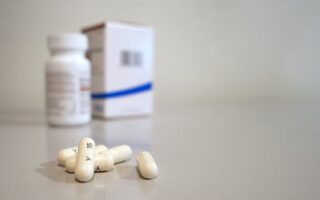
If you’ve been prescribed Keflex and are wondering how long it takes to work, you’re not alone. Many patients are eager to begin feeling better as soon as possible, especially when dealing with bothersome infections. Keflex, or cephalexin, is a commonly prescribed antibiotic for treating bacterial infections. Let’s explore how long it typically takes for this medication to take effect and provide the relief you’re hoping for.
How Long Does Keflex Take to Work?
The timeline for Keflex to start working can vary depending on several factors, including the type and severity of the infection being treated. Generally, many people begin to notice improvements in their symptoms within a few days of starting the medication. It’s important, however, to complete the full course as prescribed by your healthcare provider to ensure the infection is fully eradicated and to prevent antibiotic resistance.
Typical Results and Expectations
For minor infections, you might experience noticeable relief within 48 to 72 hours. However, more severe infections could take longer to respond to the treatment. Remember that while symptoms may improve quickly, this doesn’t mean the infection is completely gone. Keeping up with your doctor’s instructions is crucial for a successful recovery.
When to Seek Care
If your symptoms persist or worsen after a few days of taking Keflex, it’s important to contact your healthcare provider. They may need to reassess your treatment plan or consider alternative medications. Both general practitioners and infectious disease specialists are well-equipped to assist with managing antibiotic treatments and addressing any complications. Don’t hesitate to reach out if you experience severe side effects or an allergic reaction.
Practical Considerations with Keflex
Keflex is typically taken with or without food and at regular intervals throughout the day. It’s essential to set reminders or alarms to help you remember your doses to maintain steady levels of the medication in your system. Skipping doses or not completing the prescription can decrease its efficacy and increase the risk of side effects.
Potential Side Effects and Safety Tips
While Keflex is generally well-tolerated, some people may experience side effects, such as stomach upset, diarrhea, nausea, or headache. These are usually mild and may resolve as your body adjusts to the medication. More serious side effects, although rare, require immediate medical attention, such as symptoms of an allergic reaction or severe gastrointestinal issues.
If you’re concerned about any symptoms you’re experiencing, discuss them with your doctor. They may decide if an alternative medication or additional intervention is necessary. For a deeper understanding of side effects and what to watch for, you can visit Mayo Clinic.
How Keflex Fits into Everyday Life
Returning to your daily activities is usually possible as soon as your symptoms begin to improve, but it’s always wise to pace yourself. Completing your Keflex course diligently as prescribed will help ensure that the infection does not make a comeback, allowing you to get back to your normal routine quickly and safely.
For related health articles, such as successful ways to manage other infections or health conditions through lifestyle and diet, consider reading our article on the best options to treat obesity for insights you might not have considered.
- Start feeling symptom relief within a few days, but complete your full prescription.
- Contact your doctor if your symptoms worsen or persist.
- Common side effects like mild stomach upset usually resolve on their own.
- Always follow your healthcare provider’s dosage instructions strictly.
- Consult your doctor for more severe or persistent side effects.
Common Questions
Does Keflex work for all types of infections?
Keflex is effective against many bacterial infections, but it won’t work for viral infections like the common cold. Your doctor can determine if Keflex is appropriate for your specific condition.
What should I do if I miss a dose of Keflex?
If you miss a dose, take it as soon as you remember. If it’s almost time for your next dose, skip the missed dose and continue with your regular schedule. Do not double up to make up for a missed one.
Can I stop taking Keflex if I feel better?
No, it’s important to finish the entire course of antibiotics even if you feel better. Stopping early can lead to a return of the infection and contribute to antibiotic resistance.
Should I avoid any foods or drinks while taking Keflex?
Keflex can be taken with or without food. However, avoiding alcohol while taking an antibiotic is usually recommended to prevent additional stomach irritation.
What should I discuss with my doctor before starting Keflex?
Share your full medical history with your doctor, including any allergies, past reactions to antibiotics, and current medications, to ensure Keflex is safe for you.
Other Articles You May Find of Interest...
- Identifying the Differences Between Ringworm and Eczema Through Pictures
- Permethrin Dosage: Essential Guidelines for Safe and Effective Use
- Macrobid or Cipro: Which Antibiotic is Best for UTI Treatment?
- How Long Does Keflex Take to Work? Discover the Timeline for Effective Results
- Unlocking Allergy Relief: How Allegra Works to Combat Symptoms
- Does Taking Allegra Cause Drowsiness?
- Why Is My Nose Always Itchy and How to Find Relief?




