More Beauty Skin Care & Gorgeous Smiles Articles
Everyday Recovery Habits That Support Healthier-Looking Skin and Better Relaxation

Photo by Look Studio on Unsplash
Modern schedules often leave people mentally overstimulated and physically fatigued long before the day actually ends. Long work hours, constant screen exposure, inconsistent sleep, and elevated stress levels frequently affect not only energy and mood, but also skin appearance and overall recovery. Because of that, many wellness routines now focus less on dramatic transformations and more on smaller daily habits that support restoration consistently over time.
This shift reflects a broader understanding that skin health and relaxation are closely connected. Stress, poor sleep, dehydration, and chronic overstimulation often show up visibly through dullness, dryness, tension, or uneven skin texture. As a result, many people are building evening routines around recovery habits that help the body slow down while also supporting healthier-looking skin more naturally.
Consistent Evening Routines Help the Body Recover
One of the biggest factors influencing recovery is consistency. People who follow calmer nighttime habits often notice improvements not only in sleep quality, but also in overall skin appearance and stress levels over time. Small routines like dimming lights, reducing screen exposure, and slowing mental pace help create stronger separation between daytime stimulation and nighttime recovery.
Many evening wellness habits now include products from Vena alongside quieter routines centered around relaxation and decompression after demanding days. Calmer nighttime environments often support better recovery because the nervous system has more opportunity to slow down instead of remaining continuously overstimulated late into the evening.
Skin Recovery Often Depends on Reduced Stress
Stress affects skin more directly than many people initially realize. Elevated stress levels may contribute to dryness, irritation, breakouts, dullness, and tension that gradually influence overall skin appearance over time. This is one reason many skincare routines now overlap more heavily with broader wellness habits focused on rest and recovery.
Even small relaxation practices, stretching, reading, calming music, or consistent sleep schedules, often improve how the skin looks because recovery processes function more effectively when the body feels less overwhelmed. Many people eventually notice that healthier-looking skin depends as much on lifestyle balance as skincare products themselves.
Recovery-Focused Skincare Has Become More Popular
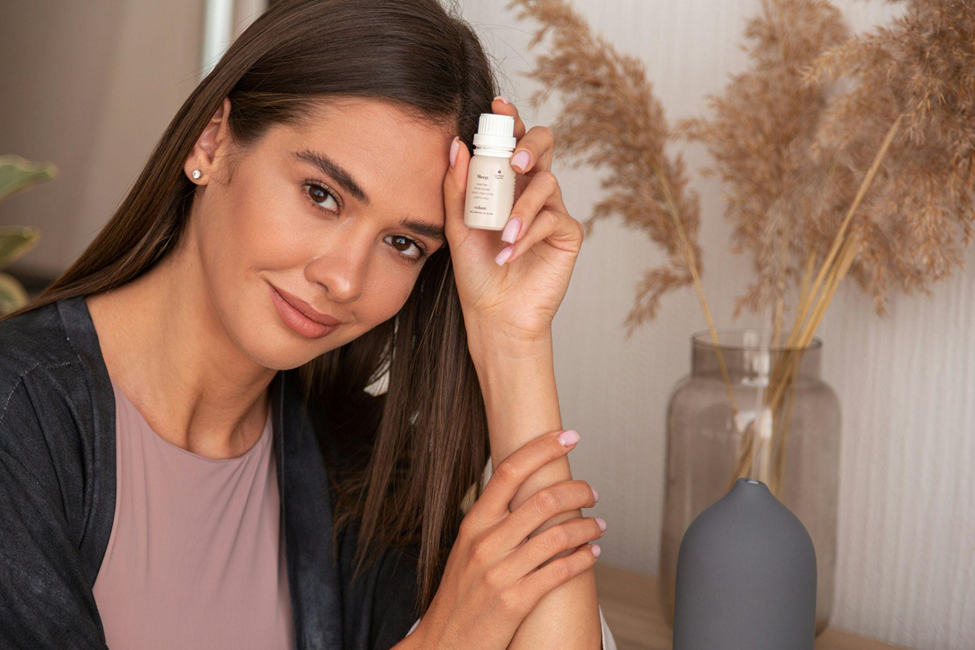
Photo by volant on Unsplash
Many consumers now prefer skincare tools and products designed around supporting recovery rather than aggressively correcting every skin concern immediately. Gentle routines often feel more sustainable because they focus on long-term consistency instead of repeated cycles of irritation and repair.
Devices such as buy red light neck mask fit naturally into routines centered around evening relaxation and skin support. Recovery-focused skincare tools are often used during quieter nighttime rituals where people intentionally slow down and create time for self-care after highly stimulating schedules.
Sleep Quality Influences Skin Appearance Significantly
Sleep remains one of the most important recovery factors for both mental well-being and skin health. During sleep, the body supports hydration balance, recovery processes, and cellular repair that directly influence how refreshed the skin looks the following day.
According to Sleep Foundation, poor sleep quality may contribute to visible skin concerns including dullness, fine lines, dehydration, and uneven texture. Consistent rest often improves skin appearance gradually because recovery processes work more effectively when sleep patterns become more stable overall.
Gentle Habits Usually Work Better Long-Term
One reason recovery-focused wellness routines continue growing in popularity is because many people are becoming tired of highly aggressive approaches to both skincare and productivity. Constantly pushing for dramatic results often creates exhaustion mentally and physically, making routines harder to maintain consistently.
Gentler recovery habits frequently feel more sustainable because they support calmness and balance rather than adding more pressure to already demanding schedules. Evening routines centered around hydration, relaxation, skin support, and reduced stimulation often create stronger long-term benefits precisely because they feel manageable enough to repeat daily.
Relaxation and Skin Health Are Closely Connected
Many people once viewed skincare and stress management as completely separate topics, but the connection between recovery and appearance has become much more recognized in recent years. Tension, fatigue, overstimulation, and inconsistent rest frequently affect both emotional well-being and visible skin condition simultaneously.
That is why many modern wellness routines now combine relaxation habits with recovery-focused skincare more intentionally. The healthiest-looking skin often develops gradually in environments where the body has enough time to rest, recover, and maintain balance consistently. Small everyday habits usually create the strongest long-term improvement because they support both physical recovery and emotional calmness together instead of treating them separately.
Other Articles You May Find of Interest...
- How Lifestyle and Personal Goals Can Shape Your Breast Augmentation Choices
- The Most Popular Cosmetic Treatments by Age Group
- What Makes a HydraFacial Treatment Professional?
- Botox vs Dysport vs Xeomin: Which Neuromodulator Is Right for You?
- Understanding PDRN Therapy: The Science Behind Skin Barrier Repair and Tissue Regeneration
- Who Is a Suitable Candidate for Breast Augmentation?
- Peptides vs Retinoids for Sensitive Skin: Why Matrixyl 3000 and CoQ10 Are Changing the Conversation