






More Supplements Articles
Unlocking the Health Benefits of Ferrous Sulfate Tablets
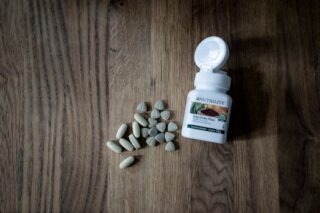
Imagine feeling exhausted despite having slept well, or experiencing frequent headaches that disrupt your day-to-day activities. These can be indicators of iron deficiency, and ferrous sulfate tablets are often prescribed as a part of treatment. Understanding the ferrous sulfate benefits can help you make informed decisions about your health, particularly if you experience symptoms related to low iron levels.
Uncovering the Ferrous Sulfate Benefits
Ferrous sulfate is a form of iron supplement used primarily to treat iron deficiency anemia, a condition where the blood lacks enough healthy red blood cells. Red blood cells carry oxygen to tissues, supporting energy levels and overall health. Ferrous sulfate tablets can increase iron levels, which may improve energy, focus, and prevent further complications related to anemia.
Common Uses of Ferrous Sulfate
Besides treating anemia, ferrous sulfate tablets are sometimes utilized as a preventive measure, especially in individuals at risk of iron deficiency, like pregnant women, children in growth spurts, and individuals with poor dietary intake. For those curious about what are ferrous sulfate tablets for, these supplements play a crucial role in maintaining adequate iron levels in the body.
Impact on Everyday Life
Iron is vital for several bodily functions, including the production of hemoglobin, a protein in red blood cells. A deficiency can lead to fatigue, weakness, and impaired cognitive functions, affecting work performance and personal life. By supplementing with ferrous sulfate, these symptoms may lessen, allowing for improved quality of life and productivity.
When to Seek Care
If you’re experiencing signs of iron deficiency such as persistent fatigue, dizziness, or pale skin, it’s important to consult with a healthcare provider. A primary care physician or a hematologist can evaluate your symptoms and perform necessary blood tests to determine if you need iron supplementation. Self-managing iron intake without professional guidance can lead to iron overload, which may have adverse effects.
Knowing When to Adjust Your Dose
While ferrous sulfate is powerful in managing iron deficiency, it’s essential to monitor its effects. Symptoms like stomach upset, constipation, or dark stools can indicate the need for dosage adjustments. Discussing these experiences with your healthcare provider ensures safe and effective use.
Potential Interactions and Considerations
Before starting ferrous sulfate, inform your doctor about any medications you’re taking, as certain drugs can interfere with iron absorption. For example, antacids, calcium supplements, and some antibiotics may affect how your body processes iron. Tailoring your regimen under medical supervision can help avoid these interactions.
Asking the Right Questions
When visiting your doctor regarding iron supplementation, ask about the potential side effects you might experience and how to manage them. It’s also wise to inquire about dietary changes that could complement your supplementation, such as consuming more iron-rich foods or vitamin C to enhance absorption.
External Information and Resources
For more detailed information on iron supplements and their uses, you can browse reliable resources such as the Mayo Clinic or consult general health information from Wikipedia.
Takeaways
- Ferrous sulfate tablets are used to treat and prevent iron deficiency anemia.
- They can improve symptoms like fatigue, weakness, and focus.
- Consult with a healthcare provider for personalized dosage and to avoid side effects.
- Consider potential interactions with other medications you may be taking.
- Incorporating iron-rich foods and vitamin C can enhance absorption.
Common Questions
When should I see a doctor about iron deficiency?
Consult a healthcare provider if you’re experiencing persistent symptoms like fatigue, weakness, or pale skin. Early intervention can prevent long-term complications.
What type of provider should manage my iron levels?
A primary care physician or a hematologist specializing in blood disorders can evaluate and manage iron deficiency effectively.
How can I prevent iron deficiency naturally?
Consuming iron-rich foods like red meat, spinach, and legumes, alongside vitamin C, can support optimal iron levels. Regular check-ups with your doctor are also beneficial.
Are there any dietary considerations while taking ferrous sulfate?
Avoid consuming dairy products, tea, or antacids around the same time as ferrous sulfate, as they may hinder iron absorption. Discuss a balanced diet plan with your doctor for better results.
What questions should I ask my doctor before taking ferrous sulfate?
Inquire about the appropriate dosage, potential side effects, duration of treatment, and how it fits with your current medications and lifestyle.
Other Articles You May Find of Interest...
- Unlocking the Health Benefits of Ferrous Sulfate Tablets
- What to Actually Check Before Taking Any Supplement
- Top Supplements to Lower High Cortisol Levels Naturally
- Wolffia: The World’s Smallest Plant With Surprisingly Big Health Benefits
- Discover the Health Benefits of Cayenne Pepper Supplements for Wellness
- Unlocking the Health Benefits of Oil of Oregano with Black Seed Oil
- 7 Key Differences: Whey Protein Isolate vs. Concentrate Explained




