






More Gastroenterology Articles
Why Does My Tummy Rumble After I Eat? Understanding Your Digestive Sounds
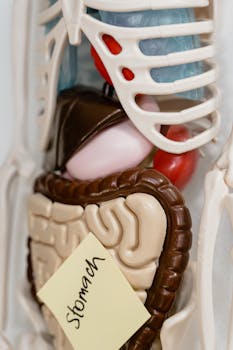
You’ve just finished a delicious meal when suddenly your stomach begins to make a series of embarrassing, loud gurgling noises. If you’ve ever wondered, “Why does my tummy rumble after I eat?” you’re not alone. These sounds, although perfectly natural, can leave you feeling self-conscious, especially in social settings.
Why Does My Tummy Rumble After I Eat?
The gurgling and growling noises that occur after eating are often linked to digestion, where food moves through the gastrointestinal tract. Known as “borborygmi,” these noises are typically caused by the movement of gas and fluids as they mix with the stomach contents. It’s a normal part of the digestive process but can be influenced by several factors.
One common cause is not chewing food thoroughly, which can lead to more work in the stomach and intestines to break it down. Additionally, swallowing air while eating or drinking carbonated beverages can increase the amount of gas, contributing to the sounds.
Common Triggers for Digestive Sounds
Several factors can lead to increased digestive sounds. Hastily eating your meal may result in swallowing more air, while consuming high-fiber foods, such as beans and lentils, can produce more gas. Sometimes even stress or anxiety can exacerbate these sounds since the digestive system is closely linked to our emotional state.
Certain conditions, such as irritable bowel syndrome (IBS) or lactose intolerance, may lead to more pronounced sounds accompanied by other symptoms like bloating or stomach pain. If you notice a correlation between what you eat and the noises that follow, keeping a food diary might help identify specific triggers.
When to Seek Care
If your stomach sounds are accompanied by pain, bloating, diarrhea, or constipation, it’s wise to consult a healthcare provider. A gastroenterologist specializes in digestive health and can help determine if there’s an underlying issue. It’s usually a good idea to seek care if the noises interfere with your daily life or are accompanied by other worrying symptoms.
Impact on Daily Life
These stomach noises can create uncomfortable situations during meetings or outings, causing embarrassment. Understanding why your stomach is making these sounds can help you make lifestyle adjustments. Chewing food well, avoiding carbonated drinks, and managing stress can greatly reduce the frequency and volume of these noises.
For more on how everyday choices impact health beyond digestion, check out this article on lifestyle choices and overall health.
Medication and Digestive Sounds
Medications can sometimes influence stomach noises. For instance, antibiotics might alter gut flora, potentially increasing digestive sounds. Probiotics, which are often taken to counteract this, may help balance gut bacteria and minimize sounds. It’s crucial to consult your healthcare provider before combining medications and supplements, as some can interact unfavorably.
If you’re switching medications, be aware that changes in your digestive system, including sounds, might occur. Discussing these concerns with your doctor can help manage expectations and ensure you receive the most appropriate treatment.
Practical Tips to Reduce Stomach Noises
To mitigate gurgling after meals, try adopting these habits:
- Eat slowly and chew thoroughly to minimize air intake.
- Reduce consumption of gas-producing foods such as beans, broccoli, and cabbage.
- Avoid carbonated beverages that can increase stomach gas.
- Incorporate stress-relieving activities like yoga or meditation to support digestive health.
These proactive steps can significantly decrease the likelihood of a loud, growling stomach after eating. However, if you notice persistent issues, it’s always best to seek advice from a healthcare professional.
For more comprehensive information on managing digestive health, consider this Mayo Clinic resource.
Takeaways
- Stomach rumbling after meals is typically normal and due to digestion.
- Various factors like air swallowing, food choices, and stress can exacerbate sounds.
- Consult a healthcare provider if sounds accompany pain or disrupt daily life.
- Simple adjustments can reduce incidence, including mindful eating and stress reduction.
- Consult healthcare providers before making medication or supplement changes.
Common Questions
When should I be concerned about stomach noises?
If you experience additional symptoms like severe pain, persistent diarrhea, or bloating, it’s time to seek medical attention.
What kind of doctor should I see for stomach noises?
A gastroenterologist specializes in digestive issues and can help explore potential causes and treatments for excessive stomach noises.
What can I do to prevent my stomach from making noise?
Simple lifestyle changes, such as chewing food thoroughly, avoiding high-gas foods, and managing stress, can often help prevent excessive stomach noises.
Can changing my diet help with gurgling stomach sounds?
Yes, adjusting your diet to reduce certain gas-producing foods, and closely observing which foods trigger your symptoms, can help manage stomach rumbling effectively.
Is it okay to take supplements to calm my stomach noise?
While some supplements may support digestive health, it’s best to consult with a healthcare provider to ensure they’re suitable for you and won’t interact with any medications you’re taking.
Other Articles You May Find of Interest...
- Why You Get Stomach Bloating and Gas After Eating Meat
- Why Does Chick-fil-A Make My Stomach Hurt?
- Dr. Omar Marar on the Evolution of Modern Colorectal Surgery
- Pain Where Your Appendix Was Removed Years Ago: Possible Causes
- Why Multi-Strain Probiotics May Offer Broader Digestive Support
- What a Healthy Colon Looks Like During Colonoscopy
- A Better Digestive Rhythm: Everyday Habits for Preventing Occasional Constipation





