






Your Health Magazine Contributor
4201 Northview Drive
Suite 102
Bowie, MD 20716
More Physical Therapy Articles
Smart Fitness Habits That Support Long-Term Mobility
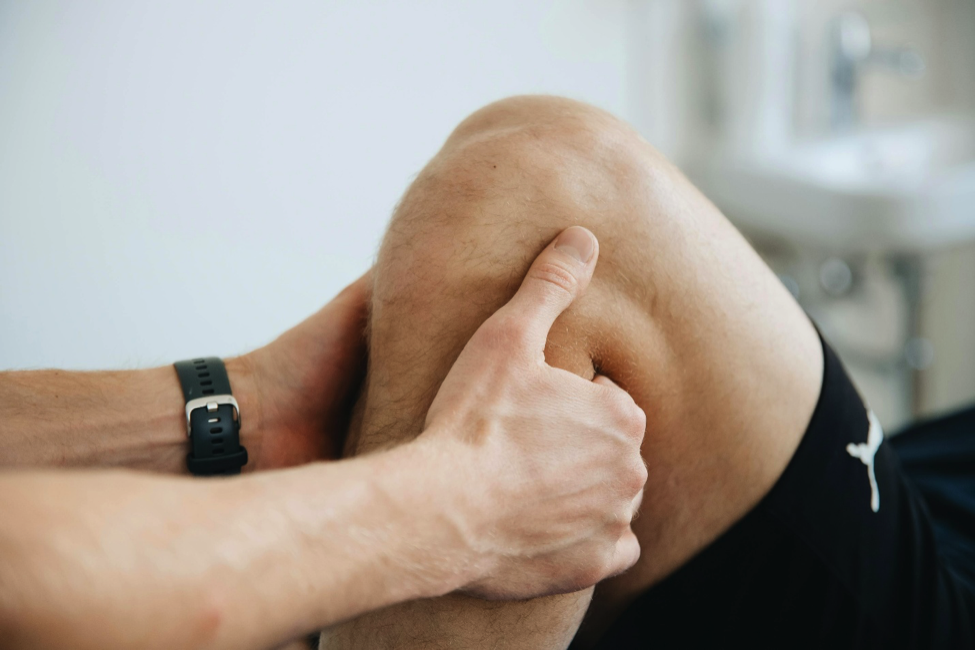
Mobility problems usually creep in quietly. People notice it during small everyday things first, like feeling stiff after long meetings or taking longer to get up from the couch after work. It rarely begins with some dramatic injury. The body simply stops moving as smoothly as it once did, and over time, that discomfort starts blending into normal life without much attention.
Modern routines make it worse. Most people sit too much, move too little, and only think about exercise when trying to lose weight or “get back in shape.” Mobility feels like an older-person problem until basic movement suddenly starts feeling harder than it used to.
Why Consistency Matters More Than Intensity
Many people assume staying mobile requires hard workouts, long gym sessions, or intense fitness routines that are difficult to maintain once work schedules and family responsibilities get involved. In reality, the body tends to respond better to regular movement that feels manageable over time. Walking, light resistance training, stretching, and low-impact cardio often support mobility more effectively than aggressive exercise programs that people quit after two weeks because their knees hurt or they simply get tired of it.
That is why orthopedic specialists usually focus on consistency instead of punishment-style workouts. Simple routines done regularly tend to protect the body better than occasional bursts of extreme activity. Routine exercises for joint health can make a significant difference in overall joint health. The goal is not to train like an athlete. It is to keep the body functioning comfortably through normal life.
Sitting All Day Changes the Body More Than People Realize
Most mobility problems now are connected to inactivity as much as aging itself. Office jobs, remote work, long commutes, and endless screen time keep people sitting for hours without interruption. Even people who exercise a few times a week still spend most of the day relatively still. The body notices that pattern.
Hips tighten first for a lot of people. Then the lower back starts compensating. Shoulders round forward from staring at screens all day, and eventually, basic movements feel less natural than they used to. None of this happens overnight, which is probably why it gets ignored for so long.
The strange thing is that small movement breaks throughout the day often matter more than one hard workout later. Standing up regularly, stretching for a few minutes, walking during phone calls, or simply moving around the house more frequently helps the body stay responsive. Mobility depends on repetition. The joints and muscles expect regular movement. When they stop getting it, stiffness settles in quietly.
Strength Matters More Than People Think
A lot of people associate mobility only with stretching, but strength plays a huge role in how well the body moves long-term. Weak muscles place extra stress on joints because the body loses stability during normal movement. Knees, hips, and shoulders usually absorb that pressure first.
This becomes noticeable during everyday tasks before people recognize it during exercise. Carrying groceries feels harder. Stairs feel more tiring. Kneeling down becomes uncomfortable even without injury. The body starts working less efficiently because supporting muscles are no longer helping enough.
Strength training does not need to be extreme to help. That part gets misunderstood constantly because fitness culture online tends to reward intensity and dramatic transformations. Moderate resistance training done consistently usually works better for long-term mobility than pushing the body too aggressively. Controlled movement matters more than ego lifting. Most orthopedic specialists would probably prefer people stop trying to deadlift like social media influencers after watching three videos and immediately hurting their backs.
Recovery Is Part of Mobility Too
People often think exercise alone protects mobility, but recovery habits matter just as much. Poor sleep, chronic stress, and overtraining affect how the body repairs itself over time. Recovery tends to get overlooked because it feels passive compared to exercise, but joints and muscles need downtime to stay functional.
Sleep especially affects inflammation levels more than many people realize. When people consistently sleep poorly, stiffness often increases even if exercise habits stay the same. Stress creates similar problems. Tight shoulders, clenched muscles, headaches, and back pain are often connected to tension people barely notice carrying around during the workday.
Technology has complicated this a little too. Fitness trackers and health apps can help people stay active, but they also create pressure to optimize every workout and monitor every metric constantly. Sometimes people stop paying attention to how their body actually feels because they become too focused on numbers. Mobility is not always measurable in neat little graphs.
Walking Still Works Better Than Most People Expect
Walking gets ignored partly because it feels too simple to count as serious fitness. People want workouts that feel impressive or difficult enough to justify the effort. Meanwhile, walking quietly supports circulation, balance, flexibility, and joint movement without putting excessive strain on the body.
It also fits into regular life more naturally than complicated routines. People are more likely to continue habits that do not completely disrupt their schedules. A daily walk after dinner, walking during lunch breaks, or choosing stairs more often creates long-term benefits because the habit survives busy weeks instead of disappearing immediately.
Flexibility Changes with Age, but It Can Be Maintained
People lose flexibility gradually, which makes it easy to dismiss until movements become noticeably restricted. Reaching overhead feels tighter. Turning the neck while driving becomes uncomfortable. Hips stiffen after sitting too long. These changes happen slowly enough that people adapt without realizing how much movement they have lost. Gentle mobility work repeated regularly usually creates better long-term results than forcing aggressive stretching routines occasionally. The body responds better when movement feels safe and controlled.
There is also less patience now for slow physical progress. People expect quick results from everything because most online fitness advice is built around visible transformations. Mobility improvements happen quietly. Better posture, smoother movement, and less stiffness after sitting. Those changes are subtle, which sometimes makes them harder to value, even though they affect daily life constantly.
Long-term mobility is rarely built through dramatic moments anyway. It comes from ordinary habits repeated long enough to matter. Walking more often. Sleeping properly. Strengthening muscles gradually. Moving throughout the day instead of staying still for hours at a time. None of it sounds especially exciting, which is probably why many people overlook it until discomfort starts interfering with normal life in ways that become harder to ignore later on.
Other Articles You May Find of Interest...
- Shockwave Therapy
- Sports Rehabilitation: Recovering From Athletic Injuries and Getting Back in the Game
- Pelvic Floor Physiotherapy: Signs You May Benefit From Treatment
- The Muscles and Nerves Behind Scapular Winging
- Wrist Flexion Stretches for Desk-Stiff Hands
- Do You Need a Referral for Physical Therapy in New York?
- That Pop When Scar Tissue Breaks: Good Sign or Bad?




