






1350 Connecticut Ave NW
Suite 305
Washington, DC 20036
202-887-5441
More Dental Health Articles
The Role Of Inflammation In Oral Pain
Understanding Periodontal Disease and Its Treatment
When patients think about oral pain, they often associate it with cavities or acute dental problems. However, one of the most common sources of oral discomfort is inflammation related to periodontal disease — and it frequently develops without obvious pain in its early stages.
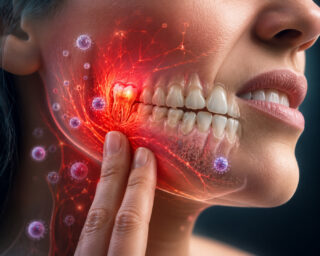
Periodontal disease is a chronic inflammatory condition caused by bacterial plaque accumulating below the gumline. The body’s immune response to this bacteria triggers the release of inflammatory mediators, including cytokines and enzymes that begin to break down the supporting structures of the teeth — the gums, periodontal ligament, and underlying bone.
Why Periodontal Disease Often Doesn’t Hurt
In its early phase, known as gingivitis, inflammation is typically limited to the gum tissue and may present as redness, swelling, or bleeding during brushing and flossing. Because this stage is usually painless, many patients do not seek treatment.
As the disease progresses to periodontitis, the inflammation extends deeper, leading to destruction of bone and connective tissue. At this stage, patients may begin to notice symptoms such as gum recession, tooth sensitivity, looseness of teeth, or changes in their bite. However, even advanced disease can remain surprisingly asymptomatic until significant damage has occurred.
Inflammation As the Source Of Pain
When discomfort does arise, it is often the result of active inflammation or secondary complications, such as infection or abscess formation. The same inflammatory processes that damage tissue also contribute to swelling, pressure, and tenderness in the gums.
Importantly, periodontal inflammation does not remain isolated to the mouth. It contributes to the body’s overall inflammatory burden and has been linked to systemic conditions such as diabetes, stroke, Alzheimer’s disease and cardiovascular disease.
How Treatment Reduces Pain and Protects Health
The goal of periodontal treatment is to eliminate the source of inflammation. This begins with non-surgical therapy, such as scaling and root planing, to remove bacteria and calculus from below the gumline. In more advanced cases, surgical procedures may be necessary to access deeper areas, regenerate lost tissue, or reduce periodontal pockets.
As inflammation is brought under control, patients often notice a significant reduction in tenderness, swelling, and bleeding. Just as importantly, treatment helps stop the progression of the disease and preserve the structures that support the teeth.
A Preventive Approach To Long-Term Comfort
Regular periodontal maintenance is essential for keeping inflammation under control and preventing recurrence. Even in the absence of pain, ongoing care allows us to detect early changes and intervene before they lead to more serious problems.
Understanding the role of inflammation in oral health highlights an important truth: the absence of pain does not always mean the absence of disease. Early diagnosis and treatment are key to maintaining both oral comfort and long-term health.
Other Articles You May Find of Interest...
- Why Comprehensive Dental Care Matters at Every Stage of Life
- Why Preventive Dental Care Matters at Every Stage of Life
- Colored Braces: A Practical Guide for Teens and Parents in the UAE
- Brushing Teeth for Kids: Secrets to Making Healthy Habits Actually Stick
- Why Preventive Dental Care Matters More Than Most People Realize
- How Missing Teeth Can Change the Way You Eat, Speak, and Live
- Why Jawbone Health Matters More Than You Might Think





