






More Imaging Articles
What You Need to Know About Ventilation Perfusion Scans and Their Importance in Lung Health
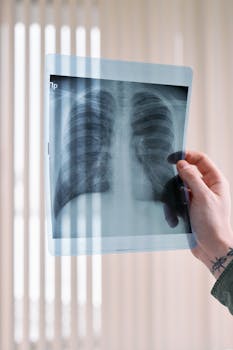
Imagine experiencing sudden shortness of breath or chest pain and wondering what could be causing it. You visit your clinician, and they recommend a ventilation perfusion scan to assess your lung health. This test is often used to diagnose or rule out serious conditions such as pulmonary embolism or other lung disorders. Understanding the purpose and importance of this scan can ease your concerns and help you prepare for the procedure.
The Role of Ventilation Perfusion Scan in Lung Health
A ventilation perfusion scan is a specialized test that examines how air and blood flow through your lungs. It’s particularly useful when assessing conditions that could affect your breathing, such as blood clots in the lungs. By using small amounts of radioactive material, the scan creates images to provide detailed insights into the functioning of your lungs.
How Does the Procedure Work?
The scan consists of two parts. Firstly, the ventilation aspect involves inhaling a radioactive gas, which helps visualize the airflow in your lungs. Secondly, the perfusion part requires an injection of a radioactive tracer into your bloodstream to highlight blood flow. Together, these images help physicians pinpoint areas where either air or blood flow is restricted, aiding in accurate diagnosis.
Why Is It Important?
A ventilation perfusion scan is crucial in detecting conditions that may not be apparent through other diagnostic methods. For instance, it can identify mismatches between air and blood flow indicative of a pulmonary embolism, which is a potentially life-threatening condition.
Effects on Everyday Life
If diagnosed with a condition affecting lung function, it may impact your daily activities such as walking up stairs or engaging in physical exercise. Monitoring and managing lung health can play an essential role in maintaining your quality of life. A ventilation perfusion scan can serve as a starting point for effective treatment planning.
When to Seek Care
If you experience persistent difficulty breathing, unexplained coughing, or chest pain, it’s crucial to consult a healthcare provider. Pulmonologists, specialists in lung health, can supervise scans and interpret results. It is essential to seek care promptly, especially if symptoms worsen or significantly impact your daily life.
Preparing for the Scan
Before the scan, your doctor may advise you to avoid certain foods or medications temporarily. It’s a non-invasive, outpatient procedure, so you can resume most normal activities immediately afterward. Discuss any concerns with your healthcare provider to ensure you are well-informed and comfortable with the process.
Understanding Your Results
Once the scan is completed, your healthcare provider will discuss the results with you. Normal results indicate that both air and blood flow well through your lungs. Abnormal results may require further testing or treatment, depending on the underlying cause identified.
Learn how lifestyle choices can impact overall health
Common Questions
How does a ventilation perfusion scan differ from other lung tests?
Unlike regular X-rays or CT scans, a ventilation perfusion scan specifically assesses the distribution of air and blood flow in the lungs, making it ideal for diagnosing certain conditions like pulmonary embolism.
Are there any risks associated with the scan?
The scan is considered safe, with the primary risk being a minor exposure to low-level radiation. Discuss any concerns with your doctor, especially if you are pregnant or have health conditions that may affect your suitability for the test.
What do I need to tell my healthcare provider before the scan?
Inform your provider of any medications you are taking or allergies, as these can impact the test. Also, let them know if you are pregnant or breastfeeding for any necessary precautions.
Will the results be immediate?
The results of a ventilation perfusion scan are usually available within a few days. Your healthcare provider will interpret the findings and discuss any further steps if needed.
Can lifestyle changes affect my lung health?
Yes, lifestyle choices, such as not smoking, regular exercise, and a balanced diet, can support lung health. For insights into how lifestyle impacts overall health, visit our article.
- A ventilation perfusion scan assesses air and blood flow in the lungs.
- It is critical for diagnosing conditions like pulmonary embolism.
- Quick, non-invasive procedure with minimal recovery time.
- Consult a pulmonologist if breathing issues arise.
- Adopt healthy habits to support your lung health.
Other Articles You May Find of Interest...
- CT Chest Without Contrast: What You Need to Know for Accurate Diagnosis
- What You Need to Know About Ventilation Perfusion Scans and Their Importance in Lung Health
- Detecting Pleural Effusion in Chest X-Rays: Key Insights and Visual Tips
- Unlocking the Benefits of Duplex Ultrasound for Enhanced Health Monitoring
- Is Parenchymal Volume Loss Impacting Your Health?
- Unlocking the Secrets of Wrist Health Through Radiographs
- Unraveling the Mysteries of T2 Hyperintensity in Medical Imaging




