






Your Health Magazine
4201 Northview Drive
Suite #102
Bowie, MD 20716
301-805-6805
More Complementary & Integrative Healthcare Articles
Best Kratom Tea in 2026: Top Brands, Flavors And Where to Buy
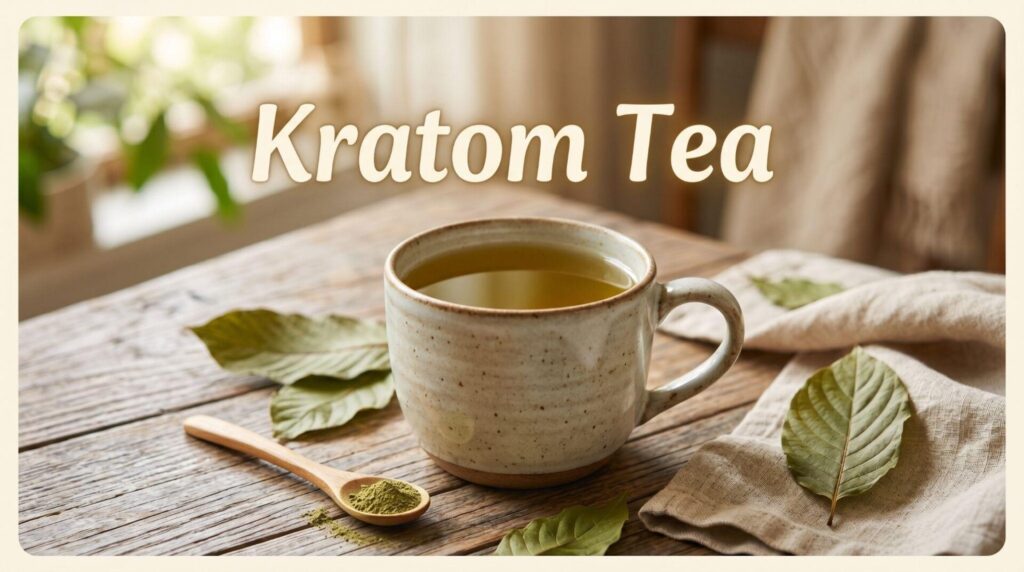
Most people discover kratom through powder or capsules. Then they discover kratom tea — and everything changes.
Buy Premium Kratom Tea from Jack Botanicals
AKA Certified | 9+ Lab Tests/Batch | 30% off “Jack30”
There’s something different about brewing kratom into a warm, smooth drink. The onset feels gentler. The experience feels more intentional. And for millions of users worldwide, it’s become a daily ritual that powder and capsules simply can’t replicate.
But here’s what the kratom tea market won’t tell you upfront. Not all kratom tea is created equal. The difference between a well-sourced, lab-tested kratom tea product and a cheap, untested one isn’t just quality — it’s safety. Oxidized leaf, contaminated batches, and misleading strain labeling are rampant in this space.
This guide exists to fix that information gap. You’ll get a full breakdown of the best kratom tea brands available today, a complete brewing guide, strain-by-strain effect profiles, and the data-backed insights you need to make a confident purchase. Whether you’re brewing loose leaf for the first time or upgrading from a brand that’s been disappointing you — everything you need is right here.
How These Kratom Tea Brands Were Selected
Every brand on this list passed through the same rigorous, non-negotiable evaluation process. Popularity didn’t get anyone a spot. Marketing budgets didn’t either.
The selection criteria covered six core areas without compromise. AKA GMP certification was the first filter — any vendor without it was immediately removed from consideration.
Third-party lab testing frequency came second, with specific attention paid to whether COAs were published per batch or just referenced vaguely in marketing copy. Alkaloid transparency — meaning visible, published mitragynine percentages — was the third requirement. Product freshness and sourcing documentation came fourth. Real-world shipping reliability and packaging quality rounded out the operational criteria. Finally, verified customer satisfaction data from independent review platforms — not vendor-curated testimonials — confirmed which brands were actually delivering on their promises.
According to the American Kratom Association, fewer than 30% of active kratom vendors in the U.S. meet full GMP compliance requirements. That means the vast majority of what’s available online hasn’t been independently verified for safety or potency. Every brand on this list sits in that top 30%.
Quick Kratom Tea Buying Guide
Before you spend money on kratom tea products, here’s the framework that separates smart purchases from regrettable ones.
Leaf vs. Powder for Tea: Some vendors sell dedicated kratom tea leaf — coarsely ground or whole crushed leaf optimized for brewing. Others sell standard kratom powder that can also be used for tea preparation. Both work. Dedicated tea leaf typically produces a cleaner cup with less sediment. Powder brews faster but requires more careful preparation to avoid a gritty texture.
Strain Selection for Your Goal: Red veins for relaxation and pain relief. Greens for balanced daytime use. Whites for energy and cognitive focus. Gold and yellow strains for versatile, mood-elevating experiences. Never buy a kratom tea product without knowing which strain it contains.
Lab Testing Documentation: Demand batch-specific COAs before purchasing. They should cover mitragynine percentage, 7-hydroxymitragynine levels, heavy metals, and microbial contamination. No exceptions.
AKA Certification: Non-negotiable. Certified vendors have passed independent audits covering sourcing, manufacturing standards, and ongoing testing commitments.
Freshness Indicators: High-turnover vendors ship fresher product. Look for batch dates on packaging. Kratom alkaloids degrade with age — stale leaf produces noticeably weaker tea.
Packaging Quality: Loose leaf and powder for tea should be sealed in airtight, light-blocking packaging. Oxygen exposure is the primary driver of alkaloid degradation between production and consumption.
Top Kratom Tea Brands Reviewed
1. Jack Botanicals — The Gold Standard for Kratom Tea Quality
If you’re serious about kratom tea, Jack Botanicals is the brand you build your ritual around.
No other vendor on this list comes close to their testing commitment. Nine or more independent third-party lab tests per batch — not per product line, not per quarter, but per individual batch. Every single run of product leaving their facility has been verified by accredited labs before it reaches a customer. Those COAs cover mitragynine percentage, 7-hydroxymitragynine levels, heavy metal screening across all major contaminants, and microbial safety testing. They’re published, accessible, and genuinely verifiable — not locked behind a customer service request.
Jack Botanicals holds full AKA GMP certification. This is the most credible independent quality standard the kratom industry currently operates under. AKA audits are rigorous — they cover facility standards, sourcing documentation, manufacturing consistency, and the ongoing testing program. Vendors that slip in any of these areas lose certification. Jack Botanicals maintains it by consistently doing the work.
Their kratom product line — including powder strains ideal for tea preparation — spans one of the most comprehensive strain libraries in the market. Red Bali, Red Maeng Da, Red Dragon, Green Malay, Green Borneo, White Borneo, White Maeng Da, Gold Maeng Da, Yellow Bali, and rotating specialty strains. Each is available at consistent alkaloid levels with published COAs.
For tea brewing specifically, Jack Botanicals powder performs exceptionally well. The grind consistency is fine and uniform — critical for even extraction during the brewing process. Users brewing with their Red Bali and Green Malay consistently report clean, smooth cups with predictable onset and duration. No harsh sediment. No off-flavors from oxidized or stale leaf.
Community feedback across independent forums highlights two things about Jack Botanicals above everything else: freshness and reliability between orders. These are the two qualities that matter most for anyone building a consistent daily tea ritual. You need to know that the batch you order this week will perform the same as the one you ordered last month. Jack Botanicals delivers that.
They offer 30% off sitewide with code “Jack30” — making their premium, rigorously tested kratom genuinely affordable for daily tea drinkers.
Order Lab Tested Kratom Tea from Jack Botanicals
AKA Approved | 9+ Lab Tests/Batch | Get 30% Discount “Jack30”
What Makes Jack Botanicals the Right Choice for Tea:
- 9+ third-party lab tests per batch with publicly accessible COAs
- Full AKA GMP certification maintained through independent auditing
- Fine, consistent grind ideal for clean tea extraction
- Extensive strain library covering every effect category
- High product turnover ensures maximum freshness on delivery
- Fast shipping with discreet, airtight packaging
- 30% discount on every order with code “Jack30”
2. Kraken Kratom — Reliable Staple With a Decade Behind It
Kraken Kratom has been operating since 2014. In an industry where vendors appear and disappear with alarming frequency, that kind of longevity means something real.
They hold AKA GMP certification and use third-party labs for batch testing. COAs are accessible on their site. Testing frequency runs at roughly 3–5 tests per batch — solid, though lower than Jack Botanicals’ 9+ standard. Their kratom powder works well for tea preparation, with users reporting decent extraction and clean flavor profiles on their core strains.
Red Bali and Green Maeng Da are their strongest performers for tea use according to community feedback. Minor potency variation between specialty strain batches has been noted, but core strains remain consistent. Mid-range pricing with reliable shipping make Kraken a dependable backup option for experienced buyers.
3. Happy Hippo Herbals — Premium Experience, Premium Price
Happy Hippo has built genuine brand recognition in the kratom space through polished presentation and strong customer experience design.
Their AKA certification is current and their third-party testing is legitimate. Kratom powder quality is consistently solid — users brewing tea with their Red Bali and Green Elephant report smooth, flavorful cups with reliable potency. Packaging is excellent, which contributes to freshness.
The limiting factor is price. Happy Hippo sits at the top end of the cost spectrum — often 30–40% more per gram than comparable AKA-certified competitors. For daily tea drinkers going through meaningful volume, that premium adds up fast. Strong product, but the value calculation doesn’t favor daily tea use unless budget isn’t a constraint.
4. Kona Kratom — Focused Library, Strong Core Potency
Kona Kratom has built its reputation on doing fewer things at a higher level. Rather than stocking dozens of strains, they focus on a curated selection and source each one with intention.
AKA certification is maintained and batch COAs are published. Testing frequency is in the 3–4 range per batch. For tea applications, their Green Malay and White Maeng Da are among the most discussed in the community for focus and energy-oriented morning brews. Clean extraction with their powder and positive potency reports make them a solid option.
Shipping timelines can vary by region, and their customer service has received mixed reviews for handling order issues. A strong product offering held back slightly by inconsistent operational performance.
5. Super Speciosa — Educational Brand With Dependable Standards
Super Speciosa occupies an important niche: they’re the most beginner-friendly brand on this list. Their website includes detailed strain guides, brewing instructions, and dosing recommendations that genuinely help new kratom tea drinkers make informed decisions from day one.
AKA certification is maintained. Third-party testing is consistent. Their red vein powders for tea use receive particularly strong reviews for relaxation and evening use. The strain library is smaller than competitors, which limits options for experienced users, but for newcomers navigating kratom tea for the first time — Super Speciosa’s educational approach reduces the learning curve meaningfully.
Kratom Tea Brand Comparison Table
| Brand | AKA Certified | Lab Tests/Batch | Tea Performance | Pricing | Unique Advantage |
| Jack Botanicals | ✅ Yes | 9+ | Excellent extraction, clean flavor | Best value + 30% off | Highest testing standard, max freshness |
| Kraken Kratom | ✅ Yes | 3–5 | Good on core strains | Mid-range | Decade of consistent market presence |
| Happy Hippo Herbals | ✅ Yes | 3–5 | Clean, smooth cups | Premium-priced | Best packaging and brand experience |
| Kona Kratom | ✅ Yes | 3–4 | Strong on focus strains | Mid-range | High potency core strain selection |
| Super Speciosa | ✅ Yes | 3–4 | Solid red vein performance | Fair | Best educational support for beginners |
What Is Kratom Tea?
Kratom tea is a hot or cold brewed beverage made by steeping kratom leaf powder or crushed leaf in water, then straining and consuming the liquid. It is one of the oldest and most traditional methods of consuming Mitragyna speciosa — the tropical tree native to Southeast Asia whose leaves contain the active alkaloids mitragynine and 7-hydroxymitragynine.
Traditional kratom tea has been consumed in Thailand, Malaysia, and Indonesia for centuries. Farmers and laborers used it for sustained energy during long working days. Modern users brew it for similar reasons — energy, focus, pain relief, and relaxation — depending on strain selection and dose.
The tea format produces effects that are generally smoother and more gradually building than other consumption methods, making it a preferred choice for users who value a measured, controlled experience.
How Does Kratom Tea Work?
When kratom powder or leaf is steeped in hot water, the active alkaloids — primarily mitragynine and 7-hydroxymitragynine — are extracted into the liquid. Consuming the brewed tea delivers these compounds into the digestive system, where they are absorbed through the gut lining and enter the bloodstream.
The alkaloids then interact with opioid receptors in the central nervous system. At lower doses, this interaction produces stimulating, mood-elevating, and focus-enhancing effects. At moderate to higher doses, the effects shift toward relaxation, pain relief, and mild sedation — depending significantly on the strain used.
Tea onset is typically 20–35 minutes — slightly faster than capsules because the extraction process begins before ingestion. Effects generally last 3–6 hours depending on dose, strain, and individual metabolism.
How to Brew Kratom Tea Properly
Brewing technique matters more than most people realize. Done poorly, kratom tea is harsh, gritty, and ineffective. Done correctly, it’s smooth, flavorful, and consistently potent.
The Standard Hot Brew Method
This is the most reliable, widely used method for brewing kratom tea. Follow these steps exactly for the best result.
Step 1 — Measure Your Dose: Start with 2–3 grams of quality kratom powder for a beginner dose. Experienced users typically work with 4–6 grams. Use a digital kitchen scale — eyeballing doesn’t produce consistent results.
Step 2 — Prepare Acidulated Water: Add the juice of half a lemon or one teaspoon of apple cider vinegar to 2–3 cups of water. The acidic environment protects mitragynine from degrading in heat and improves alkaloid extraction significantly. This step is frequently skipped by beginners and makes a noticeable difference in the final cup.
Step 3 — Heat to the Right Temperature: Bring the water to a simmer — not a full rolling boil. Target temperature is 175–185°F (80–85°C). Boiling water (212°F) degrades alkaloids and produces a harsher, more bitter cup. This is the single most common mistake in kratom tea preparation.
Step 4 — Add Kratom and Simmer: Add your measured kratom powder to the simmering acidulated water. Stir thoroughly to ensure no clumping. Maintain a gentle simmer for 15–20 minutes, stirring occasionally.
Step 5 — Strain Thoroughly: Pour the liquid through a fine mesh strainer, cheesecloth, or coffee filter into your cup. For the cleanest result, use multiple layers of cheesecloth. Press or squeeze the remaining material to extract maximum liquid.
Step 6 — Add Flavor and Consume: Plain kratom tea is intensely bitter. Honey, agave syrup, ginger, cinnamon, or citrus juice all reduce bitterness effectively without interfering with alkaloid absorption. Drink while warm for best results.
The Cold Brew Kratom Tea Method
Cold brew is slower but produces a remarkably smooth, low-bitterness kratom tea. Combine measured kratom powder with cold water and lemon juice in a sealed container. Refrigerate for 12–24 hours, shaking periodically. Strain thoroughly and serve over ice.
Cold brew extract retains full potency. The extended cold steeping time pulls alkaloids into the liquid without heat degradation. Users who find hot brew tea too harsh often switch to cold brew and never go back.
Kratom Sun Tea
Combine kratom powder with room temperature water and lemon juice in a clear glass jar. Seal and place in direct sunlight for 4–6 hours. Strain and serve. Produces a lighter, milder brew — suitable for lower doses or afternoon use when gentler effects are desired.
Kratom Tea Strains and Their Unique Effects
Red Vein Kratom Tea
Red vein strains are the most popular category for kratom tea globally. Community data consistently shows red strains accounting for roughly 45% of all kratom purchases — and for good reason. They deliver the effects most users seek from a warm evening brew: relaxation, physical comfort, and calm mood elevation.
Red Bali Tea is the most forgiving and widely consumed red strain for tea preparation. The flavor profile is earthy and mellow. Effects build gradually — warm body relaxation, reduced physical tension, and mild euphoria at moderate doses. Ideal for evening use, stress relief after demanding days, and sleep preparation.
Red Maeng Da Tea pushes potency higher than standard Bali. The alkaloid density produces more pronounced pain-relieving properties and a deeper, more settled relaxation. Users managing chronic discomfort frequently prefer Red Maeng Da tea over other options for its sustained effect window and stronger physical relief.
Red Dragon Tea is a specialty strain that experienced users seek specifically for its intense body effects and mood elevation. Not a beginner strain — the alkaloid concentration demands respect. Brewed at moderate doses, it produces a deep, sustained relaxation that lasts well beyond the typical 3–5 hour window.
Green Vein Kratom Tea
Green strains are the daytime tea choice. They deliver a balanced effect profile — mild energy, clear focus, and mood lift without the sedation risk of reds or the intensity of whites. For professionals brewing kratom tea as a morning or midday ritual, green veins consistently deliver the most functional, workable experience.
Green Malay Tea is the most celebrated green strain for duration. Users consistently report effects lasting 5–8 hours — exceptionally long even among quality kratom options. The flavor is slightly more bitter than Red Bali but mellows with honey or ginger additions. Focus, social ease, and sustained mood lift are the signature effects.
Green Borneo Tea brews a slightly calmer cup than Green Malay. Effects lean toward anxiety reduction and mental clarity rather than energy. Particularly popular in high-pressure professional environments where stress management and cognitive performance matter simultaneously. A cup of Green Borneo tea mid-morning is a well-documented routine in kratom-using professional communities.
White Vein Kratom Tea
White vein kratom tea is the energizer of the category. The alkaloid profile produces stimulating effects that many users describe as a clean, smooth, prolonged energy without the anxiety or crash that can accompany heavy caffeine consumption.
White Borneo Tea brews into a bright, clean cup. Effects are clearly stimulating — improved concentration, motivation, verbal fluency, and sustained energy. Users in cognitively demanding roles — tech, finance, creative work — frequently use White Borneo as a morning coffee replacement or addition. The flavor is slightly sharper than red strains but balances well with honey and lemon.
White Maeng Da Tea represents the high end of white vein intensity. Sharper cognitive enhancement, stronger motivation, and a more pronounced energy effect. This is not a beginner strain for tea preparation. Experienced users who want maximum functional stimulation from their morning brew reach for this strain.
Gold and Yellow Kratom Tea
Gold and yellow strains undergo non-standard processing that shifts the alkaloid ratio. The result is a uniquely versatile cup that doesn’t land cleanly in any single effect category — combining mood elevation, mild energy, and body relaxation into one experience.
Gold Maeng Da Tea is one of the most discussed specialty strains in kratom communities for exactly this reason. Morning or afternoon use. Versatile effects. Smooth onset. Users who want one daily strain that covers multiple bases without specialized rotation consistently land on Gold Maeng Da.
Yellow Bali Tea is gentler. Milder effects, smoother onset, and more forgiving for users still calibrating their dose and preferred experience. An excellent entry point into the gold and yellow category.
Benefits of Drinking Kratom Tea
Smoother, More Gradual Onset
Tea is absorbed differently than capsules or toss-and-wash powder. The alkaloids are already partially extracted into liquid form before you drink it. This pre-extraction speeds absorption slightly compared to capsules while still producing a more gradual, controlled onset than toss-and-wash methods.
The result is an experience that builds naturally — not a sharp spike that catches unprepared users off-guard. For daily users who value control and predictability, this makes tea the preferred format over all other consumption methods.
Reduced Alkaloid Degradation Risk Through Controlled Brewing
When you brew kratom tea correctly — with acidulated water at below-boiling temperatures — you’re actively protecting the alkaloid profile during extraction. The acidic environment stabilizes mitragynine. The controlled temperature prevents thermal degradation.
This means a properly brewed cup of kratom tea can actually deliver a more complete alkaloid profile than capsules dissolved in stomach acid or powder consumed without any protective agent.
Hydration Built Into the Ritual
Kratom has mild diuretic properties. One of the most common user complaints — particularly from capsule and powder users — is dehydration-related side effects including headaches and fatigue. Brewing and drinking kratom as tea inherently adds 2–3 cups of fluid to your daily intake during the consumption process.
This built-in hydration component meaningfully reduces the dehydration side effects that other consumption formats require users to consciously manage.
The Ritual Effect on Consistency
This is an underappreciated but genuinely important benefit. Brewing kratom tea is a ritual. It requires intentional preparation time. It involves warmth, sensory engagement, and a deliberate pause in the day.
Users who transition from quick capsule consumption to the tea brewing process consistently report greater mindfulness around dosing and a more sustainable, less impulsive relationship with kratom use. The friction of the brewing process is actually protective — it naturally limits casual redosing in ways that capsules don’t.
Flavor Masking Possibilities
Kratom’s bitterness is a genuine barrier for many users. Tea format, paradoxically, makes this easier to manage than other methods. You can add honey, ginger, cinnamon, vanilla, mint, lemon, or any number of flavor agents directly to the brew.
Kratom capsules bypass taste entirely but offer no middle ground — you either swallow them or you don’t. Tea gives you a full flavor toolkit to make the experience enjoyable rather than merely tolerable.
Is Kratom Tea Safe to Drink?
Kratom tea is as safe as the quality of the product used to brew it and the discipline applied to dosing. The brewing process itself introduces no additional safety concerns beyond those that apply to all kratom consumption.
A 2021 study in Drug and Alcohol Dependence found that a large majority of regular kratom users reported using it for self-management of pain, anxiety, or opioid withdrawal — and described predominantly positive outcomes with responsible use.
Key safety practices for kratom tea users:
- Source exclusively from AKA GMP-certified vendors with published batch COAs
- Never brew with boiling water — it degrades alkaloids and intensifies bitterness
- Avoid combining kratom tea with alcohol, benzodiazepines, or prescription opioids
- Build in regular tolerance breaks — tea’s pleasant ritual quality can make daily use habitual faster than other formats
- Stay hydrated beyond the tea itself — the diuretic effect remains even in liquid form
- Consult a physician before beginning use if managing any chronic condition or taking prescription medication
Kratom is not FDA-regulated. Responsible sourcing, disciplined dosing, and medical consultation are the user’s responsibility.
Kratom Tea Dosing Reference Guide
| User Level | Powder Amount | Water Volume | Brew Time | Expected Effects |
| Beginner | 2–3 grams | 2 cups | 15 minutes | Mild energy or light relaxation |
| Intermediate | 3–5 grams | 2–3 cups | 15–20 minutes | Moderate mood, focus, or comfort |
| Experienced | 5–7 grams | 3 cups | 20 minutes | Strong strain-specific effects |
| Advanced | 7–10 grams | 3–4 cups | 20 minutes | High tolerance required |
Always brew a test cup at beginner dosage when trying a new strain or switching to a new vendor — regardless of your experience level. Alkaloid concentrations vary meaningfully between sources.
Practical Tips for Better Kratom Tea Every Time
Always use acidulated water. Lemon juice or apple cider vinegar in the brew water protects alkaloids and dramatically improves extraction quality. This single step makes a more noticeable difference than nearly any other variable in the brewing process.
Never boil. Simmer only. 175–185°F is the target. Boiling destroys alkaloids and makes the cup unpleasantly harsh. Use a kitchen thermometer until you’ve calibrated your stove temperature visually.
Double-strain for cleaner cups. First pass through a fine mesh strainer, second pass through cheesecloth or a coffee filter. Removing fine powder sediment dramatically improves texture and palatability.
Batch brew and refrigerate. Brew a larger quantity and refrigerate for up to 48 hours. Reheat individual servings gently. This makes your daily ritual faster and more consistent without sacrificing quality.
Experiment with additions strategically. Honey reduces bitterness most effectively at moderate amounts. Ginger adds complexity and aids digestion. Cinnamon pairs well with red strains. Fresh lemon slices served alongside improve the drinking experience without altering the brew chemistry.
Track your doses. Keep a simple log — strain, gram weight, effects experienced, onset time, duration. This data makes every subsequent brew more informed and helps identify your ideal dose for each strain far faster than guessing.
Frequently Asked Questions About Kratom Tea
Q1: Does brewing kratom tea reduce its potency compared to other methods?
Properly brewed kratom tea retains full alkaloid potency — and in some cases delivers a more complete alkaloid profile than capsules. The key variables are water temperature and pH. Brewing below boiling point with acidulated water protects mitragynine from thermal degradation. Users who report weaker tea effects are typically brewing with water that’s too hot or skipping the acidulation step, both of which reduce extraction efficiency.
Q2: How much kratom powder should I use per cup of tea?
Beginners should start with 2–3 grams per brew session using 2 cups of water. This produces a mild but noticeable effect that allows proper calibration. Intermediate users typically work with 3–5 grams. Experienced users range from 5–8 grams depending on tolerance and strain potency. Always assess the full effect — including the 30–60 minute onset window — before deciding whether to brew more.
Q3: Can I reuse kratom powder after the first brew?
Yes, but with diminishing returns. The first brew extracts approximately 70–80% of available alkaloids from quality powder. A second steep of the same material in fresh acidulated water will produce a noticeably weaker cup — perhaps 20–30% of the original potency. Some users do second steeps intentionally for a milder afternoon brew using material from a stronger morning cup. Third steeps produce negligible effects and are generally not worth the effort.
Q4: What is the best strain of kratom for morning tea?
The answer depends entirely on what you need from your morning. For clean energy and focus without anxiety — White Borneo or Green Malay. For mood elevation and balanced stimulation — Gold Maeng Da. For gentle productivity with anxiety management — Green Borneo. For users managing morning pain or stiffness before activity — Red Maeng Da at a lower-than-evening dose. There is no single universal answer — define your morning goal first, then match the strain.
Q5: How long does kratom tea stay fresh after brewing?
Freshly brewed kratom tea stored in a sealed container in the refrigerator remains potent and safe to drink for up to 48 hours. Beyond that, microbial growth and alkaloid degradation become meaningful concerns. Do not store brewed kratom tea at room temperature for more than a few hours. For batch brewing, prepare no more than a two-day supply at a time and keep it refrigerated in an airtight container.
Final Thoughts: Kratom Tea Done Right Starts With the Right Source
Kratom tea is one of the most rewarding ways to experience this plant. When you brew it correctly with quality, lab-verified kratom from a trusted source — the experience is smooth, consistent, and genuinely useful.
But the foundation of a good cup isn’t technique. It’s sourcing. Stale, contaminated, or underpowered kratom makes great brewing technique irrelevant. The alkaloids have to be there before you can extract them.
Jack Botanicals gives you that foundation. Nine-plus lab tests per batch. Full AKA GMP certification. Fresh, high-alkaloid powder that extracts cleanly and performs consistently from order to order. A strain library that covers every use case from morning focus to evening wind-down. And 30% off everything with code “Jack30” — so building a quality daily tea ritual doesn’t cost a premium price.
Start there. Brew with intention. Your tea ritual deserves a source that takes quality as seriously as you do.
Other Articles You May Find of Interest...
- Best Green Malay Kratom in 2026: Top Brands, Dosage And Buying Guide
- The Complete White Maeng Da Kratom Guide: Best Brands, Effects, Dosage & Where to Buy
- Where Is the Best Place to Buy Kratom? Online Stores, Local Shops & What to Look For
- A Guide to Potency: Understanding Herbal Incense, Resins, and C-Liquids
- What Health-Conscious Readers Should Know About Vaping Today
- Effective Strategies for Hypoxia Treatment: Harnessing the Power of Oxygen
- Is Low Creatine Kinase a Cause for Concern?




