






More Weight Control, Nutrition & Exercise Articles
5 Common Training Mistakes Preventing Arm Growth
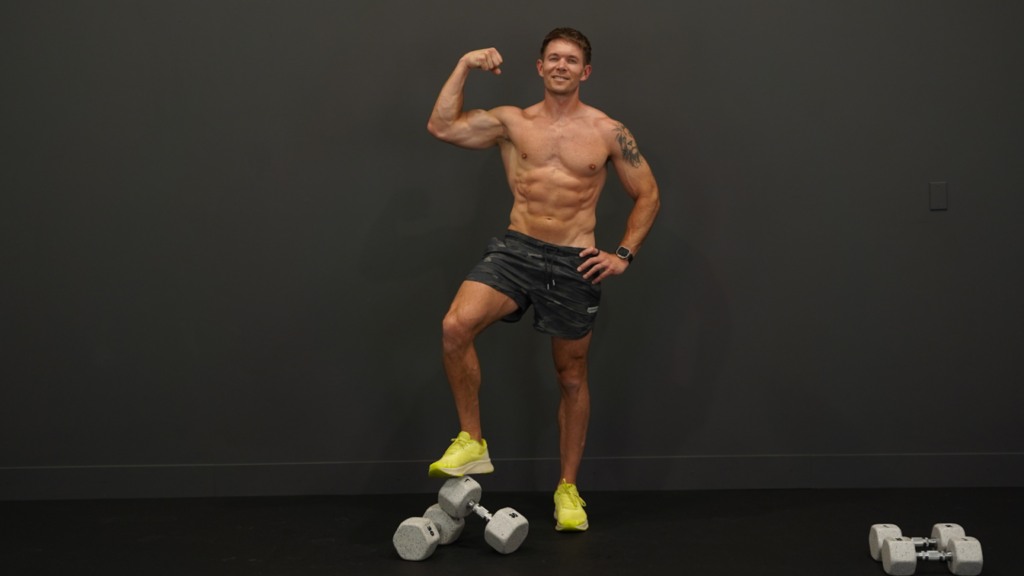
Why aren’t my biceps growing despite regular workouts? It is one of the most common frustrations in fitness. Training feels consistent, effort is there, but arm size refuses to change.
The issue is rarely about working harder. More often, small training mistakes quietly hold back progress without being noticed. And the answer is almost never “you need to work harder.” It is almost always something more specific. A gap in nutrition, a flaw in technique, or a training habit that feels productive but is quietly working against you.
Here are the five most common reasons your biceps are stalling, and exactly what to do about each one.
Mistake 1: You Are Eating Too Little
This is the most overlooked reason people ask why aren’t my biceps growing, and it is almost always the first place to look.
Muscle is built from raw material. If your body is running in a calorie deficit, it does not have the resources to add new tissue, regardless of how hard you train.
To grow, you need to eat more calories than you burn. That does not mean eating everything in sight. It means eating nutritious food that fuels your body enough to support muscle repair and growth after training sessions.
Mistake 2: Your Protein Intake Is Too Low
Even in a caloric surplus, insufficient protein means your muscles have no building blocks to work with after a training session. For anyone serious about arm growth, the target is 0.8 to 1 gram of protein per pound of bodyweight per day.
Prioritize protein at every meal. Eggs, chicken, Greek yogurt, cottage cheese, protein shakes, legumes. Whatever fits your lifestyle, make it consistent. Muscle growth requires sufficient protein, and most people who struggle with stagnant arms are simply not hitting this number day after day.
Mistake 3: Your Form Is Sacrificing Muscle Activation
This is the training mistake that is hardest to spot in yourself because it feels like effort.
With bicep curls especially, it is very easy to allow momentum to take over. The shoulders swing forward, the elbows drift, the back arches slightly, and suddenly the weight goes up, but the bicep barely worked to get it there. You feel tired. You feel like you trained. But the muscle received a fraction of the stimulus it needed.
Improper form is one of the most common reasons people find their biceps not growing, even with consistent training. Before increasing weight, slow the curl down completely.
- Keep your elbows pinned at your sides.
- Feel the muscle contract at the top and resist on the way down.
- Lower the weight if you need to. Proper isolation always beats heavier, sloppy reps for arm development.
Mistake 4: You Are Not Training Biceps With Enough Volume or Frequency
Biceps are a small muscle group. Small muscles need more direct work than most people give them.
If you are hitting biceps once a week with a few sets and expecting growth, the math simply does not add up. The bicep recovers quickly, which means it can handle and actually benefits from more frequent training.
A smarter approach is to train biceps directly twice per week and incorporate them as accessories in pulling movements two additional times per week with weighted pull-ups, chin-ups, and rows alongside your dedicated curl work.
Mistake 5: You Are Doing the Same Exercises Every Single Session
Muscles adapt to the demands you place on them. Once an exercise becomes familiar, the growth response slows down. If you have been doing the same standing barbell curl every session for months, your biceps are no longer being challenged by it the way they were in week one.
Varying your curl variations keeps the muscle guessing and recruiting different portions of the bicep and surrounding muscles. Here are the most effective additions to consider:
- Hammer curls and drag curls shift emphasis to the brachialis, the muscle that sits underneath the bicep and actually pushes it up from below. Developing the brachialis contributes to a fuller, thicker arm appearance that standard curls alone will not deliver.
- Preacher curls are excellent for isolating the bicep because the bench removes the ability to cheat with momentum. Isolated movements are key for anyone who has been relying on swing and body to move the weight.
- Myo reps and rest pause sets are more advanced techniques that compress a high amount of effective volume into a short period. A myo rep set involves performing a main set to near failure, resting briefly, then performing mini sets of three to five reps with short rests between.
This keeps the muscle under effective tension for longer and drives hypertrophy without needing to add more exercises to your session.
Recovery Is Where Growth Actually Happens
Training hard without sleeping enough or managing stress adequately puts a ceiling on your results, regardless of how dialed in your nutrition and programming are. Aim for seven to nine hours of sleep. Take rest days seriously. Understand that the session in the gym is just the signal. Everything that happens after is where the growth occurs.
Final Thoughts
Why aren’t my biceps growing often has a simple answer hidden behind a simple fix.
- Check your calories.
- Hit your protein.
- Clean up your form.
- Add frequency.
- Change your exercises.
- Rest enough to let it grow.
None of these steps requires more motivation. They just require more attention.
Do that consistently for the next six months, and the question will answer itself.For more practical training advice built around real results, visit Tiff x Dan and train smarter with Tiff x Dan.
Other Articles You May Find of Interest...
- What a Weight Loss Clinic in Melbourne Can Do Before and After Your Surgery
- Cold Plunge or Sauna? What the Recovery Research Actually Shows
- How Personalized Weight Loss Programs Help Achieve Sustainable, Long-Term Results
- High-Fructose Foods to Limit and Lower-Sugar Alternatives
- Best High-Fiber Foods Chart for Better Digestive Health
- How Many Carbs Are in Turkey Bacon?
- 9 Healthiest Mushrooms to Eat




