More Gastroenterology Articles
Healing with a Liquid Diet for Diverticulitis: A Guide to Recovery
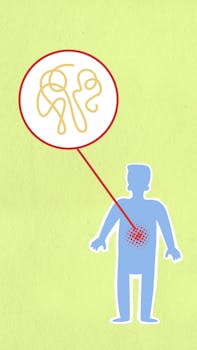
Diverticulitis can be a painful condition, marked by the inflammation or infection of small pouches called diverticula that can form in your digestive tract. For those experiencing a flare-up, understanding the role of a liquid diet for diverticulitis can be key to managing symptoms and aiding in recovery. The soft foods and liquids in this diet allow your digestive system to rest, helping reduce inflammation and discomfort.
How a Liquid Diet Supports Diverticulitis Recovery
A liquid diet typically includes options like clear broths, fruit juices without pulp, and plain yogurt. This approach helps to reduce irritation in the colon and provides essential nutrients without taxing the digestive system. Many find relief from pain and discomfort by temporarily switching to this diet until symptoms subside.
Managing Everyday Life with Diverticulitis
Experiencing symptoms like abdominal pain and bloating can interfere with daily activities. A liquid diet can offer a reprieve, making it easier to go about your day with less discomfort. Importantly, transitioning back to a regular diet should be gradual to prevent recurrence of symptoms.
When to Seek Care
If you’re dealing with severe or persistent symptoms such as intense abdominal pain, fever, or vomiting, it’s essential to seek medical evaluation. Gastroenterologists are specialists who can help manage diverticulitis and guide you through modifying your diet. It’s recommended to contact a healthcare provider if symptoms do not improve within a few days on a liquid diet or worsen.
Practical Considerations for a Liquid Diet
When embarking on a liquid diet, it’s crucial to ensure adequate fluid intake and nutrient diversity. Options like bone broth or protein shakes can help meet nutritional needs without solid foods. Always discuss dietary changes with a healthcare provider to ensure that you receive the appropriate amount of nutrients for your specific health needs.
Balancing Medications and Dietary Adjustments
Medications for diverticulitis, such as antibiotics, can sometimes interact with dietary changes. It’s vital to speak with your doctor about any potential side effects, such as changes in digestion or nutrient absorption. In some cases, side effects of medications may mimic symptoms of digestive discomfort, making it important to differentiate the two.
Returning to Solid Foods
Transitioning back to a regular diet should be done with care. Begin with soft foods like mashed potatoes or cooked vegetables. Monitoring your body’s response during this phase is key to ensuring a smooth recovery process. Some individuals might need to incorporate small amounts of fiber gradually to prevent further flare-ups.
Learning how lifestyle choices impact overall health can make a significant difference in managing diverticulitis long-term. For more insights, consider exploring how lifestyle choices impact overall health.
Common Questions
What are common signs that I should see a doctor?
If you experience symptoms like severe abdominal pain, persistent fever, or vomiting, it’s crucial to consult a healthcare provider immediately. These can indicate complications that require medical attention.
Who should I consult for managing diverticulitis?
A gastroenterologist specializes in conditions of the digestive tract and can provide tailored advice for managing diverticulitis, including diet modifications and treatment plans.
Can lifestyle changes prevent diverticulitis flare-ups?
While no steps guarantee prevention, adopting a high-fiber diet, incorporating regular physical activity, and staying hydrated can reduce the risk of future flare-ups.
Is it safe to remain on a liquid diet for an extended period?
A liquid diet should be a short-term solution. It lacks necessary nutrients if used long-term. Always work with a healthcare provider to monitor health and transition back to a balanced diet.
How soon can I return to my normal diet?
This varies per individual. Once symptoms improve, a gradual reintroduction of soft and then regular foods is advisable. Your healthcare provider can guide you based on symptom severity and response to treatment.
For more detailed information on diverticulitis and treatment options, visit the Mayo Clinic’s diverticulitis resource page.
- Start a liquid diet for diverticulitis during flare-ups for symptom relief.
- Gradually transition back to solid foods to avoid triggering symptoms.
- Severe symptoms require evaluation by a gastroenterologist.
- Balance medications and dietary changes with guidance from healthcare providers.
- Incorporate lifestyle changes to help prevent future episodes.
Remember, coping with diverticulitis often requires both medical guidance and lifestyle adjustments. A liquid diet for diverticulitis is one way to manage the condition and promote a smoother recovery experience.
Other Articles You May Find of Interest...
- What a Healthy Colon Looks Like During Colonoscopy
- A Better Digestive Rhythm: Everyday Habits for Preventing Occasional Constipation
- Does a Gastroenterologist Treat Liver Disease?
- How Your Gut Microbiome Affects More Than Digestion
- Can’t Keep Colonoscopy Prep Down? Try This
- Why Apples Upset Your Stomach
- One Worm in the Toilet: What It Could Be