More Gastroenterology Articles
What You Need to Know About Hydropneumothorax and Its Effects on Lung Health
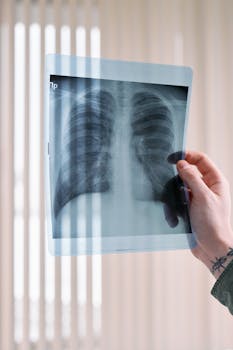
Imagine suddenly experiencing sharp chest pain coupled with shortness of breath. For some, these could be signs of a condition known as hydropneumothorax. This occurs when both air and fluid accumulate in the pleural space around the lungs, leading to respiratory distress and discomfort. Understanding this condition can help you identify symptoms early and seek appropriate care.
What Causes Hydropneumothorax?
Hydropneumothorax can arise from various situations, such as trauma to the chest, lung infections, or even medical procedures involving the chest cavity. It can disrupt your lung function and make everyday activities like walking, talking, or even laughing difficult. Identifying the root cause is crucial in determining the appropriate treatment approach.
Recognizing the Symptoms
The symptoms of hydropneumothorax may vary depending on the severity and cause. Common signs include sudden chest pain, difficulty breathing, and a dry cough. You might also notice a change in the sound your chest makes when tapped, or reduced breath sounds during a medical exam. Early detection is key, as complications can worsen without timely treatment.
How Is Hydropneumothorax Diagnosed?
If you suspect you have this condition, a medical professional will typically use imaging tests, like X-rays or CT scans, to confirm the diagnosis. These tests help visualize the presence of air and fluid in the pleural space and allow your healthcare provider to assess the extent of the issue. Additional tests, such as blood work or ultrasound, may be used for further assessment.
When to Seek Care
If you experience persistent or worsening symptoms such as severe shortness of breath or chest pain, it’s essential to seek medical help immediately. Health professionals like pulmonologists or emergency care physicians specialize in lung health and can provide appropriate interventions. Early intervention can prevent complications and improve outcomes.
Treatment Options Available
Treatment for hydropneumothorax often involves relieving the pressure on the lungs. This can be done through procedures like needle decompression or chest tube insertion to drain the air and fluid. In some cases, surgery may be necessary. Each treatment plan is tailored to the individual’s needs, considering factors like the cause and severity of the condition.
Managing Recovery and Lifestyle Adjustments
After treatment, recovery depends on the initial cause and the intervention used. Some people may need to adjust activities to accommodate healing. It’s common to experience fatigue, so balancing rest with light activities can be beneficial. A high-protein diet may aid recovery, and you can learn more about its benefits in The Importance of a High-Protein Diet for Weight Loss.
Medication Use and Expectations
If antibiotics or pain management medications are prescribed, it’s important to follow your healthcare provider’s guidance. Side effects may vary, and notifying your doctor if symptoms do not improve or worsen is crucial. Always ask about possible interactions with other medications you might be taking, and never stop or adjust doses without consulting a professional.
Seeking Further Information
If you’re seeking more information about the condition, you can refer to Mayo Clinic’s resources for trusted health information. Staying informed can empower you to recognize changes in your health and encourage proactive management of symptoms.
Takeaways
- Hydropneumothorax involves both air and fluid in the pleural space.
- Causes include trauma, lung infections, and medical procedures.
- Diagnosis typically involves imaging tests like X-rays or CT scans.
- Treatment may require procedures or surgery to remove air and fluid.
- Following medical advice on medication and recovery is crucial.
Common Questions
When should I see a doctor for hydropneumothorax?
Seek immediate medical attention if you experience severe chest pain, difficulty breathing, or sudden changes in breathing patterns.
What kind of doctor treats hydropneumothorax?
Pulmonologists and emergency care physicians are typically involved in diagnosing and treating this condition.
Can lifestyle changes help manage the symptoms?
Yes, once treated, lifestyle adjustments like resting adequately and following a nutritious diet can support recovery and prevent recurrence.
Is hydropneumothorax life-threatening?
While potentially serious, hydropneumothorax can often be managed effectively with prompt treatment, reducing the risk of complications.
How is recovery monitored?
Follow-up appointments with your healthcare provider will help monitor your recovery, ensuring that the condition does not recur and that recovery progresses smoothly.
In summary, hydropneumothorax presents a situation where recognizing symptoms early and seeking timely care can make a significant difference in outcomes and quality of life. If you ever find yourself suspecting this condition, consulting with a healthcare provider is the best course of action.
Other Articles You May Find of Interest...
- Why You Get Stomach Bloating and Gas After Eating Meat
- Why Does Chick-fil-A Make My Stomach Hurt?
- Dr. Omar Marar on the Evolution of Modern Colorectal Surgery
- Pain Where Your Appendix Was Removed Years Ago: Possible Causes
- Why Multi-Strain Probiotics May Offer Broader Digestive Support
- What a Healthy Colon Looks Like During Colonoscopy
- A Better Digestive Rhythm: Everyday Habits for Preventing Occasional Constipation