More Pain Management & Rehabilitation Articles
What You Need to Know About CPPD and Its Impact on Joint Health
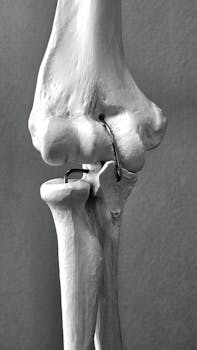
Imagine waking up in the morning with stiff, aching joints that make it hard to start your day. For many, this might be an occasional nuisance resolved with rest or over-the-counter pain relievers. However, for others, it could indicate a condition known as calcium pyrophosphate dihydrate crystal deposition disease, or cppd. This condition can have a significant impact on joint health and mobility.
What Is CPPD?
CPPD is a type of arthritis caused by deposits of calcium pyrophosphate crystals in the joints and tissues, leading to sudden pain, swelling, and stiffness. Commonly affecting the knees, wrists, shoulders, ankles, and elbows, it can mimic other conditions like osteoarthritis or gout, but requires different management. The symptoms can vary greatly, from mild discomfort to severe pain and swelling that can limit daily activities.
How CPPD Affects Everyday Life
The impact of CPPD on daily life can be profound. Joint pain and stiffness can restrict movement, making it difficult to perform tasks that require dexterity or strength. Activities like walking, typing, or even opening jars can become challenging. For some, CPPD episodes are sporadic, while others may experience chronic symptoms that interfere with work and leisure activities.
When to Seek Care
It’s important to consult a healthcare provider if you experience sudden or severe joint pain, significant swelling, or if over-the-counter medications do not alleviate the discomfort. A rheumatologist, a doctor specializing in arthritis and musculoskeletal diseases, can provide a thorough evaluation and offer a treatment plan tailored to your needs. Early diagnosis and intervention can help manage symptoms effectively and improve quality of life.
Management and Treatment Options
Managing CPPD often involves a combination of medication, lifestyle changes, and physical therapy. Anti-inflammatory drugs may be prescribed to reduce pain and swelling. It’s also beneficial to maintain a healthy weight, as excess body weight can increase stress on the joints. Low-impact exercises such as swimming or cycling can help maintain joint mobility and strength without causing additional pain.
For more insights into how lifestyle choices can influence your health, you might find this article on the impact of lifestyle choices on overall health to be helpful.
Recent Developments in Management
There’s ongoing research into the management of CPPD. While no cure exists, certain dietary supplements and nutrients are being studied for their potential to support joint health. Chondroitin, glucosamine, and omega-3 fatty acids may offer some benefits in alleviating symptoms for some individuals, although results can vary. Always consult your healthcare provider before starting any new supplement regimen.
Understanding Medication Transitions
If you’re considering changing medications or treatment plans, it’s crucial to do so under the guidance of a healthcare professional. They can help determine if and when you should stop one medication before starting another. Be aware of potential side effects, which might include digestive issues or changes in blood pressure. Monitoring these symptoms is important, and regular follow-ups with your doctor can ensure your treatment remains effective and safe.
Takeaways
- CPPD can cause significant joint pain and interfere with daily activities.
- Early diagnosis and management by a rheumatologist can improve outcomes.
- Lifestyle changes, such as exercise and weight management, can help manage symptoms.
- Consult a healthcare provider before making changes to your treatment regimen.
- Further research into nutrition and supplements may offer additional support.
Common Questions
What are the symptoms of CPPD?
Typical symptoms include sudden joint pain, swelling, and stiffness. These symptoms can resemble other conditions like gout or arthritis, which is why a professional evaluation is necessary.
When should I see a doctor about joint pain?
If you experiënce sudden or unexplained joint pain, swelling, or stiffness that doesn’t improve with rest or over-the-counter medications, you should consult a healthcare provider.
What type of healthcare provider treats CPPD?
A rheumatologist is the specialist who typically diagnoses and treats CPPD. They can confirm the condition through evaluations and recommend an appropriate treatment plan.
Can lifestyle changes impact CPPD?
Yes, maintaining a healthy lifestyle, including regular exercise and managing weight, can help reduce the stress on joints and manage symptoms. For more on the impact of lifestyle choices, see our article on lifestyle and health.
Where can I learn more about CPPD and arthritis conditions?
For more detailed information about arthritis and related conditions, visit the Mayo Clinic website.
As you can see, effective management of cppd involves understanding the condition, seeking appropriate medical care, and adopting a lifestyle that supports joint health.
Other Articles You May Find of Interest...
- What to Do If You Think You Have a Broken Tailbone
- Closed Reduction With External Fixation: How It Stabilizes a Fracture
- Knee Massager for Muscle Tension Around the Knee What You Need to Know
- What Life Really Looks Like a Year After Spine Surgery
- Gout or Bursitis? Why Joint Swelling Can Look the Same
- Broken Kneecap Recovery: How Long Healing Usually Takes
- The Thumb Grind Test: What Pain During It Can Mean