More Pain Management & Rehabilitation Articles
Navigating Levoscoliosis: Insights into Lumbar Spine Health
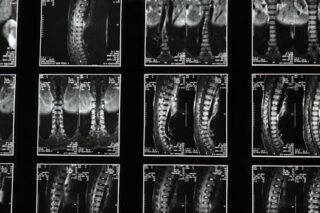
Feeling discomfort in your lower back? You might be wondering if levoscoliosis is the cause. This spinal condition, where the spine curves towards the left side of the body, often targets the lumbar spine. Even mild scoliosis can bring challenges, such as uneven posture or discomfort during daily activities. Understanding this condition can be the first step towards managing its symptoms effectively.
Understanding Levoscoliosis of the Lumbar Spine
Levoscoliosis predominantly affects the lower back, known as the lumbar spine. Unlike its counterpart, dextroscoliosis, where the spine curves rightward, this condition causes a leftward curvature. This distinction is more than just directional; it influences how one’s body compensates for balance and the strain it places on muscles and joints.
Everyday activities can become cumbersome for those with levoscoliosis, as simple tasks like bending or lifting may exacerbate discomfort. If you’re pursuing a more active lifestyle, taking small steps can help adjust your routine to accommodate your body’s needs.
How Levoscoliosis Affects Daily Life
Living with levoscoliosis often means managing chronic back pain and reduced mobility. Tasks such as sitting for long periods, standing, or engaging in physical exertion may become challenging. Over time, imbalance caused by spinal curvature can lead to muscular strain and fatigue.
Some find relief through physical therapy, which may include exercises tailored to strengthen back muscles and improve posture. Although these measures can help, the efficacy varies from person to person.
When to Seek Care
If you notice persistent back pain, uneven shoulders, or an unusual gait, it’s advisable to consult a healthcare professional. Orthopedists or chiropractors specialize in spinal conditions like scoliosis. They can conduct a thorough evaluation that includes imaging tests to determine the extent of spinal curvature. Professional advice is essential when symptoms interfere with your quality of life or if you suspect the curvature is worsening.
Medication and Pain Management: What to Expect
For some, medications may play a role in managing levoscoliosis-related pain. Over-the-counter pain relievers like acetaminophen or non-steroidal anti-inflammatory drugs (NSAIDs) can offer temporary relief. Those with severe discomfort might explore prescription pain medications under a doctor’s guidance.
It’s important to discuss your medication plan with your healthcare provider, especially before starting any new drug. Ask about potential side effects, signs that the medication isn’t effective, or how to deal with troublesome symptoms.
Role of Exercise and Lifestyle Adjustments
Physical activity is often a key component in managing scoliosis-related discomfort. Programs might include strengthening and stretching exercises that focus on core stability and symmetry. These exercises can help reduce pain and improve function. Taking breaks during prolonged activities and incorporating ergonomic practices can prevent muscle fatigue and strain.
Some find that combining medication with lifestyle changes brings the best outcome. A tailored exercise routine, developed with a physiotherapist, ensures you’re supporting your spine in the safest way possible.
External Resources for Further Reading
Learn more about scoliosis and its treatments from reputable sources like the Mayo Clinic. Having a broad understanding of scoliosis helps in making informed decisions about managing symptoms.
- Levoscoliosis impacts the lower back, causing leftward curvature.
- It’s more than a physical condition—it can affect daily tasks and posture.
- Consult specialists like orthopedists for personalized care and advice.
- Pain management may involve medication, lifestyle changes, and exercise.
Common Questions
What symptoms indicate I should see a doctor?
If you experience persistent back pain, noticeable posture changes, or difficulty with mobility, consulting a healthcare professional is recommended.
What type of healthcare provider treats levoscoliosis?
Orthopedists or chiropractors typically manage scoliosis. They can determine the severity of the curve and recommend comprehensive treatment options.
Can lifestyle changes help manage levoscoliosis symptoms?
Yes, incorporating exercises that enhance core strength and promote correct posture can alleviate some symptoms. Lifestyle adjustments should be guided by a healthcare professional.
Are medications necessary to manage levoscoliosis?
Not everyone will require medication, but it can help manage pain for those experiencing significant discomfort. It’s crucial to consult with a healthcare provider about the best approach.
Is it possible to prevent levoscoliosis from worsening?
While prevention is not always possible, early detection and proactive management can help slow progression. Regular monitoring and appropriate interventions are important.
Other Articles You May Find of Interest...
- What to Do If You Think You Have a Broken Tailbone
- Closed Reduction With External Fixation: How It Stabilizes a Fracture
- Knee Massager for Muscle Tension Around the Knee What You Need to Know
- What Life Really Looks Like a Year After Spine Surgery
- Gout or Bursitis? Why Joint Swelling Can Look the Same
- Broken Kneecap Recovery: How Long Healing Usually Takes
- The Thumb Grind Test: What Pain During It Can Mean