






More Allergy, Asthma & Infectious Disease Articles
The R on T Phenomenon: Implications for Cardiac Health and Emergency Response
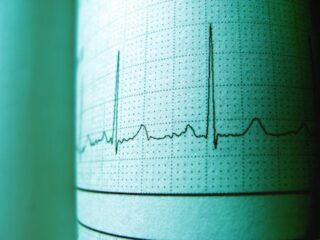
Imagine experiencing unexpected palpitations, only to find out they’re linked to a complex cardiac event known as the r on t phenomenon. This occurrence involves a premature ventricular contraction (PVC) falling on the T-wave of the preceding beat. While this might sound like a minor event, it potentially sets the stage for more serious heart rhythm disturbances.
How the R on T Phenomenon Affects Heart Function
The heart relies on an intricate electrical system to maintain its rhythm and function. In the r on t phenomenon, the heart experiences a disruption in this rhythm when a PVC prematurely coincides with the heart’s repolarization phase. The synchronization between these events can lead to arrhythmias, some of which might require immediate medical attention.
Arrhythmias can vary in severity, with some not causing any noticeable symptoms, while others might result in significant health concerns. Individuals experiencing this phenomenon might feel palpitations, lightheadedness, or dizziness. In extreme cases, it may escalate to ventricular fibrillation, a life-threatening condition that necessitates prompt intervention.
When to Seek Care
If you experience frequent palpitations, dizziness, or fainting spells, it’s crucial to consult with a healthcare provider. A cardiologist is typically the most appropriate specialist to assess heart rhythm issues. They may perform an electrocardiogram (ECG) to diagnose the condition and recommend treatment or lifestyle changes. Immediate medical attention is necessary if symptoms are severe or include chest pain or breathlessness.
Common Triggers and Lifestyle Factors
Several factors can predispose individuals to the r on t phenomenon. Stress, excessive caffeine or alcohol intake, and certain medications may increase the risk. Conditions such as hypokalemia (low potassium levels) or imbalanced electrolytes are also known contributors. To minimize risks, maintaining a balanced diet, regular exercise, and managing stress levels are essential practices. For more tips on how lifestyle choices impact overall health, see this article.
Exploring Treatment Options
Management of arrhythmias involves lifestyle modifications, medication, and sometimes medical procedures. Antiarrhythmic drugs might be prescribed to regulate heart rhythm. However, it’s essential to consult with a physician before beginning any new medication. Sometimes, an implantable cardioverter-defibrillator (ICD) is needed to control potential life-threatening arrhythmias.
Patients transitioning from one medication to another often wonder about medication interactions or side effects. Generally, a healthcare provider can guide this process, possibly advising a tapered switch to avoid abrupt changes. It’s recommended to monitor for any new or returning symptoms and report them to your physician promptly.
Understanding Medication Transitions
When starting a new heart medication, common considerations include evaluating any ongoing symptoms and adjusting the dosage under medical supervision. Questions to ask your doctor could include potential interactions with current medications, anticipated side effects, and the expected timeline for improvement.
Dosage adjustments might be required if side effects surface or if the initial medication fails to stabilize the heartbeat. Staying alert to symptoms such as increased palpitations or fatigue can be pivotal in whether an adjustment is needed.
Common Questions
What lifestyle changes can reduce the risk of the R on T phenomenon?
Adopting heart-healthy habits, such as regular exercise, a balanced diet, and stress management techniques, can help reduce risks.
Who should I see for heart palpitations?
A cardiologist specializes in heart conditions, including arrhythmias, and can provide the necessary assessments and treatment plans.
Are certain people more prone to experiencing this phenomenon?
Individuals with electrolyte imbalances or those using specific cardiac medications might be more susceptible.
Can an R on T phenomenon become life-threatening?
Yes, particularly if it leads to more severe arrhythmias like ventricular fibrillation, requiring urgent medical attention.
What should I do if I experience severe symptoms?
Seek emergency medical attention immediately, particularly if you experience chest pain, severe dizziness, or fainting.
For more detailed information about health conditions, you can visit this page.
- The r on t phenomenon involves a premature heartbeat disrupting normal heart rhythm.
- Symptoms may include palpitations, dizziness, or severe arrhythmias.
- Cardiologists can evaluate and treat arrhythmias related to this condition.
- Lifestyle adjustments can help prevent episodes.
- In severe cases, immediate medical attention is necessary.
Other Articles You May Find of Interest...
- How to Keep Pollen Out of Your Home: Choosing an Air Purifier for Pollen
- When Should Your Child See a Pediatric Allergist? A Three-Trigger Test
- Candida sp. rRNA Results: What Molecular Testing Detects
- Ant Bites or Poison Ivy? How the Rashes Differ
- Can Stress Cause Cold Sores on the Lips?
- Gram-Positive Rods in a Blood Culture: Contamination or Infection?
- Can Head Lice Get Into Your Ears?





