More Women's Health & Beauty Articles
How Accurate Are the Sensitivity Levels of Pregnancy Tests?
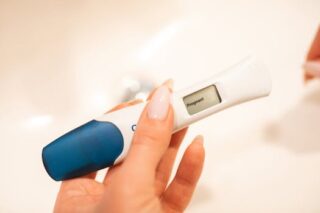
Picture this: you’re anxiously awaiting a possible pregnancy confirmation, but the results of your home test are unclear. This confusion isn’t uncommon, as the sensitivity levels of pregnancy tests can vary. Understanding how these tests measure hCG levels can help you interpret results more accurately.
Decoding the Sensitivity Levels of Pregnancy Tests
The sensitivity of a pregnancy test indicates its ability to detect the hormone human chorionic gonadotropin (hCG) in your urine. Generally, the lower the number of milli-international units per milliliter (mIU/ml) a test can detect, the more sensitive it is. Most early detection tests can recognize hCG levels of around 10 mIU/ml, while regular tests typically detect levels of 25 mIU/ml or more.
Types of Pregnancy Tests Available
There are numerous pregnancy tests available on the market today, each boasting different sensitivity levels. Home pregnancy tests, for instance, often vary in their detection times and accuracy based on their sensitivity levels. Some can detect pregnancy as early as six days before a missed period, while others require you to wait until after the missed period for more accurate results.
Factors Influencing Test Accuracy
Several variables can impact the accuracy of pregnancy tests. Factors such as the time of day the test is taken, the concentration of your urine, and even the brand of the test can influence results. Using the first morning urine is often recommended for higher accuracy, as it typically contains the highest concentration of hCG.
Another critical consideration is the test’s expiration date. Expired tests may provide unreliable or false results, so always check the package date before usage. Understanding the role of these factors can mitigate the misconceptions surrounding false positives or negatives.
When to Seek Care
If you’re consistently receiving unclear results or suspect an underlying issue, it may be time to consult a healthcare professional. A gynecologist or primary care doctor can perform a blood test, which offers more precise information regarding hCG levels and pregnancy status. Visiting a healthcare provider also allows for discussing symptoms and personal health scenarios that could influence result interpretation.
Health Risks of Misinterpretation
Misinterpreting the results of a pregnancy test can lead to emotional stress, incorrect planning, or unnecessary worry. False negatives could delay prenatal care, while false positives might result in distressing reconsiderations. This is why understanding the factors that affect test outcomes is crucial and why reading the instructions on the test package and limiting external variables is essential.
Some individuals may turn to digital tests, which often display easier-to-read results like “pregnant” or “not pregnant.” However, even digital tests are not foolproof and should be followed up with a professional consult if there’s any doubt.
How Medication Can Affect Test Results
Certain medications can impact the accuracy of home pregnancy tests, specifically those containing hCG, used for fertility treatments. To avoid confusion, discuss any medications you’re currently taking with your healthcare provider. This way, you can better interpret test outcomes and reduce the risk of incorrect readings.
For those undergoing fertility treatments, sensitive tests could prematurely indicate pregnancy due to residual medication in the system. It’s vital to coordinate closely with your fertility specialist in these cases for the most accurate outcome.
Common Questions
How soon after a missed period should I take a pregnancy test?
For the most accurate results, wait a week after your missed period to take a pregnancy test. However, if you’re eager, some sensitive tests allow you to test six days before your expected period.
What should I do if I have irregular periods?
If you have irregular periods, consider calculating the average cycle length over several months or consult your doctor for guidance on testing timelines.
Are digital pregnancy tests more reliable?
Digital tests can be easier to read but are not necessarily more reliable. Always follow up a positive home test with a healthcare professional’s confirmation.
Can drinking too much water affect my test results?
Yes, excess water intake can dilute your urine and reduce hCG concentration, potentially leading to inaccurate results.
Why might one test show positive results while another shows negative?
Differences in sensitivity levels across brands or even within a brand can cause varying results. Always consider testing again or consulting a healthcare provider for a more definitive answer.
For those exploring parenting and fertility, our article on fertility insights can be a valuable resource.
To explore more about pregnancy tests, consider visiting reputable sources like the MedlinePlus for additional insight.
- Pregnancy test sensitivity is key to early detection.
- Check the expiration date to avoid inaccurate results.
- Discuss any medication with your doctor before testing.
- Consult a healthcare provider for inconsistent results.
- Take the test first thing in the morning for higher accuracy.
Understanding the sensitivity levels of pregnancy tests can greatly impact how you interpret your test results, providing clearer guidance on your next steps. Prioritize using tests properly to minimize uncertainty, and don’t hesitate to reach out to healthcare providers for confirmation and support.
Other Articles You May Find of Interest...
- Can Bifidobacterium Bacteria Help Your Vagina?
- 5 Common Reproductive Health Concerns and When to Seek Care
- Postpartum Health & C-Section Recovery
- What Breast Pain Usually Means, and Rarely Does
- Stretch Mark Treatments: A Pregnancy-First Guide for Expecting Moms
- When Should You Seek a Second Opinion for a Gynaecological Condition?
- The Brain Fog of Menopause Is Real and Does Not Necessarily Mean Early Dementia