






More Urology Articles
Managing Radiation Cystitis: Effective Strategies for Relief and Recovery
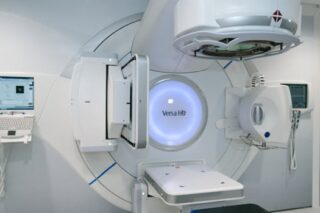
After undergoing radiation therapy for cancer treatment, some individuals experience the challenging condition known as radiation cystitis. This condition involves inflammation and irritation of the bladder due to radiation, leading to symptoms such as frequent urination, blood in the urine, and pelvic pain. For those dealing with these discomforting symptoms, understanding how to manage radiation cystitis effectively is crucial for relief and recovery.
Understanding the Symptoms and Causes
Radiation cystitis typically occurs after radiation therapy to the pelvic area, commonly when treating prostate, bladder, or cervical cancer. The bladder lining becomes inflamed, causing a range of urinary symptoms. These may include the frequent urge to urinate, difficulty controlling urination, and irritation or pain during urination.
It’s essential to grasp that the severity and onset can vary significantly from person to person. Some may experience symptoms immediately post-treatment, while others might notice them months or even years later. The condition impacts daily life by interrupting sleep, routine activities, and overall comfort.
Practical Strategies for Managing Symptoms
Managing radiation cystitis involves a combination of lifestyle adjustments, medical treatments, and therapeutic interventions. Here are some strategies:
- Increase fluid intake: Staying well-hydrated helps flush irritants from the bladder.
- Avoid irritants: Reducing intake of caffeine, alcohol, and spicy foods can minimize bladder irritation.
- Medications: Doctors may prescribe medications to ease bladder irritation and manage pain.
- Pelvic floor exercises: Strengthening pelvic muscles can improve bladder control.
- Bladder training: Developing a regular urination schedule may help in managing urgency and frequency.
When to Seek Care
If symptoms of radiation cystitis persist or become severe, consulting a healthcare professional is necessary. Urologists, specialists in urinary tract issues, can provide comprehensive care, while oncology specialists may offer insights into how these symptoms relate to cancer treatment. If you notice blood in your urine or experience severe pain, it’s crucial to seek medical attention promptly. These could be signs of complications that require immediate intervention.
Medications and Treatment Expectations
Various medications may be recommended to help manage radiation cystitis symptoms. These include anti-inflammatory drugs, bladder relaxants, and pain relievers. Patients often wonder if they need to stop existing medications before starting new ones; this decision varies by individual case and should be guided by a doctor.
Side effects from medications are a common concern. While some people experience mild effects that diminish as the body adjusts, others may need to explore alternative options with their healthcare provider. As always, any new treatment or change should be discussed thoroughly with a medical professional to ensure safety and efficacy.
Impact on Everyday Life
Dealing with radiation cystitis impacts various aspects of daily life, from social activities to work commitments. The need for frequent bathroom breaks can disrupt meetings or social gatherings, while night-time symptoms might affect sleep quality, leading to fatigue. Effective management and understanding of this condition can help individuals maintain an active lifestyle while coping with symptoms.
Emotional support is also vital. Connecting with support groups or mental health professionals can provide coping strategies and emotional relief. If you’re interested in mental health techniques for dealing with these challenges, consider exploring new therapies in mental health.
External Resources and Further Reading
For those seeking more information, reputable health organizations offer valuable insights. One such resource is the Mayo Clinic, which provides detailed overviews of bladder health and related conditions.
- Radiation cystitis is a common side effect of radiation therapy.
- Symptoms can vary and impact daily life significantly.
- Management involves lifestyle changes, medications, and professional care.
- Seek medical advice if symptoms become severe.
- Support is available to handle emotional and physical challenges.
Common Questions
What is radiation cystitis?
Radiation cystitis is an inflammation of the bladder following radiation therapy, particularly in the pelvic region.
When should I see a doctor?
Consult a doctor if you experience persistent or severe symptoms, such as blood in urine or uncontrollable pain.
What type of provider treats radiation cystitis?
A urologist typically manages the treatment of radiation cystitis, in collaboration with an oncologist.
Can dietary changes help?
Avoiding irritants such as caffeine and spicy foods can help reduce symptoms for some individuals.
How does radiation cystitis affect daily life?
Symptoms can interrupt daily activities, affect sleep, and require frequent restroom visits, impacting quality of life.
Other Articles You May Find of Interest...
- How Ultrasound Can Help Detect and Manage Kidney Stones
- Managing Radiation Cystitis: Effective Strategies for Relief and Recovery
- Is Testicular Calcium a Cause for Concern? Discover the Facts
- Navigating the Challenges of TURP Syndrome for Better Health
- Identifying the Signs of Renal Cysts: What to Look For
- Why Is My Urine Orange After Taking Azo and How Long Will It Last?
- Is Double Voiding a Solution for Your Bladder Health?




