






More Vision & Eye Care Articles
The Fascinating Truth About Hazel Eyes: Are They Really That Rare?
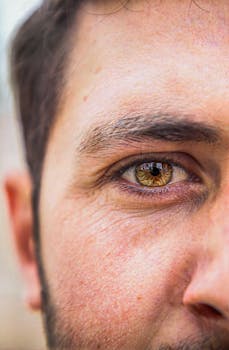
Have you ever gazed into someone’s eyes and wondered, “Are those hazel?” You’re not alone. Hazel eyes are often a topic of fascination and mystery. But are hazel eyes rare? Many believe they are, possibly because they notice the ever-changing blend of green, gold, and brown that seems to make hazel eyes unique. Whether you’re wondering about the rarity or the kaleidoscopic nature of this eye color, let’s dive into the captivating world of hazel eyes.
Are Hazel Eyes Really Rare?
When we talk about the rarity of eye colors, it’s essential to consider global distribution. Eye color varies significantly across different regions and populations. While brown eyes are the most common worldwide, hazel eyes hold a particular allure because they’re less common than brown but more prevalent than green.
Research estimates that around 5% of the global population has hazel eyes. This ranks them less common than brown and blue eyes but more so than green, which is the rarest. However, rarity can change depending on your location. For example, hazel eyes are more frequently seen in people of European descent.
The beauty of hazel eyes lies not just in their rarity but in their diverse appearance. They often appear to change colors, shifting between shades of green, gold, and brown depending on the lighting or even the wearer’s clothing.
Characteristics That Make Hazel Eyes Unique
One of the most intriguing aspects of hazel eyes is their heterogeneity. Unlike uniform blue or brown eyes, hazel is a combination of several colors and can appear to shift in hue. This phenomenon occurs because of the varying concentrations of melanin and how light interacts with the iris.
Some people with hazel eyes might find them looking more green when they’re outdoors in natural sunlight, or more brown indoors under artificial lighting. This ever-changing appearance only adds to the intrigue and beauty of hazel eyes.
When to Seek Care
While having hazel eyes is typically a normal genetic trait and not a medical concern, there are scenarios involving eye health that warrant professional attention. If you ever experience sudden changes in your vision, eye pain, or any other unexpected symptoms, it’s important to consult a healthcare provider. An eye care specialist, such as an optometrist or ophthalmologist, can provide the necessary assessments to ensure your eyes are healthy.
Remember, maintaining regular eye exams is crucial to catching any potential issues early.
Impact on Everyday Life
Having hazel eyes can be an exciting part of your identity, often sparking conversations or curiosity. Many people with hazel eyes enjoy experimenting with different makeup techniques or clothing colors to accentuate their unique eye color. This versatility can make even the most mundane days a little brighter, as people appreciate the striking characteristics of hazel eyes.
However, it’s worth noting that hazel eyes, like any light-colored eyes, may be more sensitive to sunlight. Sunglasses with UV protection can be helpful in bright conditions to reduce discomfort and protect the eyes.
Takeaways
- Hazel eyes are less common than brown or blue but more common than green, making them somewhat rare.
- They’re known for their unique ability to appear to change colors depending on lighting.
- Regular eye care is essential to maintaining overall eye health.
- Hazel eyes can be sensitive to sunlight, making sunglasses a wise accessory.
- Having hazel eyes can enhance fashion choices and personal style.
Common Questions
Can eye color changes indicate an eye condition?
While it’s common for hazel eyes to appear to change colors, sudden permanent changes in eye color could indicate an eye condition and should be evaluated by an eye care professional.
What factors contribute to having hazel eyes?
Hazel eyes result from a combination of genetics and environmental factors. The amount and distribution of melanin in the iris mainly determine whether someone has this eye color.
Are there any eye conditions specific to hazel eyes?
There are no conditions specifically linked to hazel eyes. However, like all eye colors, maintaining regular check-ups can help detect general eye health issues early.
How can I protect my hazel eyes from UV rays?
Wearing sunglasses that provide 100% UV protection can shield your eyes from harmful rays. Consider wearing a wide-brimmed hat in addition to sunglasses for extra protection.
Where can I learn more about eye health?
To learn more about maintaining healthy eyes, visit trusted resources like the MedlinePlus for comprehensive information.
For additional tips and insights on health issues, you might want to explore our article on identifying symptoms of various conditions. You can read more about it here.
Ultimately, whether you have hazel eyes or another color, taking care of your eye health is essential. Though they might appear differently in varying lights, are hazel eyes rare? In some aspects, yes, but their beauty and mysterious nature make them cherished by those who have them and admired by those who don’t.
Other Articles You May Find of Interest...
- Eyelashes Growing Every Which Way: Causes and Fixes
- Andrew Ting Explains How AI-Powered Retina Scans Can Support Earlier Detection
- Battling With Eye Strain? 5 Signs You Should Get an Eye Exam Quickly
- Can Cataracts Get Worse If You Wait Too Long for Surgery?
- Is Zinc Good for Your Eyes? The AREDS Evidence
- Is Contact Solution the Same as Saline?
- Castor Oil for Eyes: What You Should Know Before Trying It



