






More Hair Care Articles
Is Head and Shoulders Bad for Your Hair? Unpacking the Myths and Facts
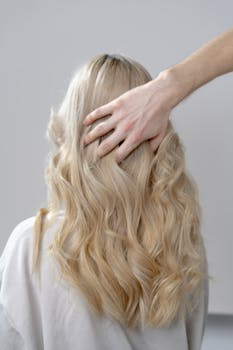
You’re in the shower, reaching for the familiar bottle of Head and Shoulders shampoo, when you suddenly wonder: is Head and Shoulders bad for your hair? This question has popped up in countless conversations and online forums, leaving many users unsure. Let’s dive into the details to unravel this urban legend, understand the effects of Head and Shoulders, and separate myth from fact.
Is Head and Shoulders Bad for Your Hair?
The concerns about is Head and Shoulders bad for your hair often stem from its active ingredient, zinc pyrithione, which is designed to combat dandruff. Dandruff can be frustrating, causing flakes and itching, which for some, disrupts daily life. Head and Shoulders has been a go-to solution for many. So, where do the doubts come from?
One common misconception is that dandruff shampoos, because of their potent ingredients, might strip the hair of its natural oils. However, Head and Shoulders contains moisturizing agents to balance the scalp’s needs while addressing dandruff.
Is the shampoo universally ideal? Not necessarily. Some people find that their hair feels dry if used too frequently. Yet, for many, it works effectively without adverse effects, providing a comfortable and manageable scalp.
When to Seek Care
If you notice persistent dandruff despite using Head and Shoulders, or if your scalp reacts negatively, it might be time to consult a healthcare professional. Dermatologists specialize in skin and scalp conditions and can offer tailored advice, examining other potential causes or suggesting alternative treatments. Additionally, if you experience redness or severe itching, this can signal an underlying issue needing professional attention.
Addressing Common Concerns
It’s natural to wonder whether the shampoo you’re using might be affecting your hair quality. Head and Shoulders often faces critique for supposedly causing dryness or build-up. Here are some insights:
Does Head and Shoulders Cause Hair Loss?
Hair loss is a complex issue and is often not caused by a single product. While some users might experience increased shedding when using certain shampoos, this typically relates to individual sensitivities rather than the product itself. Some studies suggest zinc pyrithione might contribute to healthier hair growth by ensuring a balanced and healthy scalp environment.
Determining Safe Usage Patterns
Is there a correct method to use Head and Shoulders without negative impacts? For effective results, most dermatologists recommend using dandruff shampoo about twice a week, and alternating with a regular moisturizing shampoo if dryness is a concern. However, individual results vary, and it’s advisable to observe how your hair responds and adjust frequency accordingly.
Furthermore, incorporating good lifestyle choices can support overall hair and scalp health. Understanding how lifestyle choices impact our overall health can give insights into maintaining a healthy scalp.
Potential Side Effects and Solutions
For some, using any medicated shampoo could lead to temporary side effects like dryness or irritation. If you observe such effects, switching shampoos or consulting with a dermatologist for a professional assessment may be warranted. Dermatologists can recommend specialized treatments based on your unique hair and scalp condition, ensuring a regimen that keeps both you and your hair comfortable.
If you’re juggling different shampoos or other hair products, consider how they interact. It’s often sensible to gradually introduce or eliminate products one at a time, observing how each affects hair health and appearance.
Individuals need personalized advice about potential side effects or ingredient interactions of shampoos and other haircare products. Visiting a professional healthcare provider for personalized recommendations can be beneficial.
How to Determine If Your Hair Needs a Change
Are you noticing changes in hair texture or scalp health after using Head and Shoulders? Consider asking yourself:
– Is my scalp comfortable, or is it itchy?
– Do I notice any reaction or changes after using the shampoo?
– Does my hair feel nourished and manageable?
These questions can guide you in evaluating whether it’s time to adjust your routine or seek specialized advice for a customized haircare strategy.
Takeaways
- Head and Shoulders is formulated to address dandruff effectively, with moisturizing elements included.
- Individual reactions to the shampoo may vary, with some experiencing dryness.
- Consult a dermatologist if you experience persistent scalp issues.
- Adjust the frequency of use based on your hair’s response.
- Maintain a balanced haircare routine and educate yourself on healthier choices.
Common Questions
What should I do if Head and Shoulders dries my hair?
Consider using it less frequently and alternating with a hydrating shampoo. You may also want to use a conditioner tailored to add moisture. Monitor your scalp’s condition and consider professional advice if the dryness continues.
How long does it take to see results?
Many users notice improvement in dandruff and scalp health within two to four weeks with regular use. However, individual results will vary based on the severity of the dandruff and personal hair care practices.
Can I use other hair products with Head and Shoulders?
Yes, but be mindful of product buildup. You can use conditioning products, serums, and hair masks, but check for ingredient compatibility and evaluate how your scalp and hair texture respond.
When should you see a doctor for hair concerns?
Seek medical advice if you experience severe itching, redness, or persistent dandruff unrelieved by shampoos like Head and Shoulders. A dermatologist can provide insights and alternative treatments that cater to your specific needs.
Are there natural alternatives to address dandruff?
Some natural ingredients like tea tree oil and aloe vera are believed to soothe the scalp, though evidence varies. Discuss with a dermatologist for a balanced approach if you prefer natural solutions.
Other Articles You May Find of Interest...
- Can Iron Tablets Help Prevent Hair Loss?
- How to Plan for Long Hair in a Realistic and Comfortable Way
- Which Clinic in Turkey is the Best for Afro Hair Transplant
- Is Head and Shoulders Bad for Your Hair? Unpacking the Myths and Facts
- Could a Vitamin Deficiency Be the Cause of Your Hair Loss?
- Does Mounjaro Cause Hair Loss and What You Should Know About Its Side Effects?
- How to Spot Ethical vs Unethical Hair Transplant Practices in Mumbai




