More Vascular Health Articles
Exploring the Benefits and Risks of Stab Phlebectomy for Varicose Veins
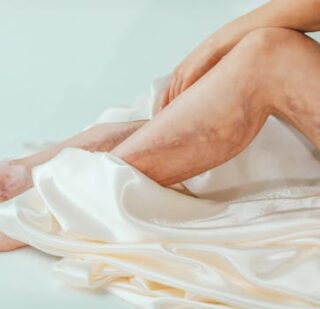
Imagine glancing down at your legs only to spot those bulging, twisted veins that you’ve tried to ignore. Perhaps you’re wondering whether there’s a straightforward solution that could make a real difference. This is where stab phlebectomy comes into play—a procedure especially effective for removing varicose veins and providing relief from discomfort and cosmetic concerns.
Understanding Stab Phlebectomy
Stab phlebectomy is a minimally invasive procedure designed to remove varicose veins through tiny skin incisions. Unlike more extensive surgeries, this approach focuses on isolated veins, making it less invasive with a quicker recovery. The process involves using small tools to extract the vein sections, alleviating symptoms and improving the appearance of the affected area.
Who Can Benefit from Stab Phlebectomy?
Typically, individuals with superficial varicose veins that are not alleviated by compression stockings or lifestyle changes find this procedure advantageous. It’s particularly suitable for those dealing with discomfort, swelling, or self-consciousness due to the visible veins. While not a cure for underlying vein conditions, it offers symptomatic relief and aesthetic improvements.
Procedure Expectations and Recovery
The procedure is usually performed in an outpatient setting under local anesthesia. Patients can expect to spend a few hours at the facility, and recovery often involves minimal downtime. Most people return to daily activities within a day or two, though some bruising and tenderness may occur. Following your healthcare provider’s post-procedure instructions is key to a smooth recovery.
Potential Risks and Considerations
As with any medical procedure, stab phlebectomy carries potential risks. These can include infection, bleeding, or nerve damage, although such complications are relatively rare. Discussing your full medical history with your surgeon is essential to evaluating your specific risks. Your clinician will also advise on how to prepare for the procedure and any necessary after-care steps.
When to Seek Care
If you’re experiencing persistent symptoms like pain, swelling, or significant discomfort from varicose veins, it’s time to consult a healthcare provider. Often, a vascular specialist or a dermatologist can offer an evaluation and determine whether stab phlebectomy or another treatment is appropriate. If lifestyle changes haven’t provided relief, professional evaluation can guide the next steps.
Navigating Treatment Options
Stab phlebectomy is one of several treatment options for varicose veins. Other methods, like sclerotherapy or laser treatments, may also be considered depending on your condition’s severity. Some studies suggest combining treatments may offer more comprehensive relief. Discussing your symptoms and goals with your doctor can help tailor a treatment plan.
In addition, maintaining healthy weight and nutrition can support vein health as discussed in our article on weight loss and exercises. Combining lifestyle changes with medical intervention often yields the best outcomes.
Managing Day-to-Day Life Post-Procedure
Post-procedure, many people find an improvement in symptoms, like reduced leg pain and aches. This can positively impact day-to-day activities, leading to increased mobility and comfort. However, maintaining a healthy lifestyle with regular exercise and a nutritious diet is crucial to supporting vein health in the long run.
External Resources and Additional Information
For more comprehensive information on varicose veins and treatment options, consider visiting Cleveland Clinic’s resource on varicose veins.
- Stab phlebectomy is a minimally invasive procedure for removing varicose veins.
- It offers symptomatic relief and improved cosmetic appearance of affected areas.
- Risks are low, but it’s important to discuss them with your healthcare provider.
- Combining lifestyle changes with medical treatment can enhance outcomes.
- A vascular specialist can help determine the best treatment option for you.
Common Questions
When should I see a doctor about varicose veins?
If you experience persistent pain, discomfort, or significant swelling, it’s advisable to consult a healthcare specialist. This ensures you receive tailored advice and potential treatment options.
What are the usual complications of stab phlebectomy?
Complications are uncommon but can include minor infections, bleeding, or nerve damage. However, proper medical guidance and care significantly reduce these risks.
Who typically performs this procedure?
A vascular specialist is often the best healthcare provider for evaluating and performing stab phlebectomy. They possess specific expertise in vein conditions and treatments.
Can varicose veins return after the procedure?
While stab phlebectomy effectively removes treated veins, others may develop due to underlying vein conditions. Continuous medical monitoring and lifestyle management play vital roles in prevention.
Do I need to stop other medications before the treatment?
It’s crucial to discuss your current medications with your healthcare provider prior to the procedure. They may advise adjustments based on your health needs and procedure requirements.
Other Articles You May Find of Interest...
- Livedo Racemosa vs. Livedo Reticularis: How the Patterns Differ
- Black or Purple Skin Discoloration: Bruise, Blood Flow, or Emergency?
- Should You Exercise With a DVT? Movement and Safety
- Blood Clots in Pictures: What to Look For
- Venous Reflux: What It Is, Why It Happens, and What to Do About It
- Exploring the Anatomy and Functions of the Frontal Section of the Head
- Exploring the Fascinating Functions of Human Body Organs