






More Reviews Articles
THC Gummies in 2026: Ingredients, Effects, Legality, and What Consumers Should Know
Disclosure: This article may contain sponsored content or affiliate links provided by third parties. Publication does not constitute an endorsement by Your Health Magazine.
Disclosure: This article was submitted by a third-party contributor and is published by Your Health Magazine for informational purposes. Your Health Magazine has not independently verified product testing claims, user experiences, or manufacturer statements and is not affiliated with the brands mentioned.
In 2014, New York Times columnist Maureen Dowd wrote a widely read piece called “Don’t Harsh Our Mellow, Dude” describing how she ate too much of a marijuana-infused candy bar in a Denver hotel room and spent the next eight hours paranoid and unable to move, convinced she had died.
The piece became a reference point in conversations about edible dosing for years afterward, not because it was unusual, but because it was exactly the kind of experience that happens when someone doesn’t know what they’re consuming, how much to take, or how long to wait.
The THC gummy market has grown significantly since 2014, with multiple options available for users. Some products are made with hemp-derived Delta-9 THC, while others contain Delta-8, Delta-10, or combinations of cannabinoids including CBD and CBN. Then, there are labels like full-spectrum and isolate. Each one has different effects and legal dimensions.
This guide explains what THC gummies are, how they work, the legal landscape in 2026, what to look for on a label, and how to evaluate a product before purchasing, with real examples from brands like Budpop, Exhale Wellness, and more.
What Are THC Gummies?
THC gummies are edibles that contain tetrahydrocannabinol, the primary psychoactive compound found in cannabis. Depending on the product, they may contain hemp-derived Delta-9 THC, Delta-8 THC, Delta-10 THC, or a combination of cannabinoids, along with other ingredients such as CBD, CBN, terpenes, or botanical extracts.
The term “THC gummy” can refer to several different types of products:
- Hemp-derived Delta-9 THC gummies, which are federally legal under the 2018 Farm Bill if they contain no more than 0.3% Delta-9 THC by dry weight
- Delta-8 THC gummies, derived from hemp through a chemical conversion process, are legal under federal law in some interpretations but restricted in several states.
- Full-spectrum gummies, which contain a broader range of cannabinoids and terpenes from the hemp plant
- Broad-spectrum or CBD-dominant gummies, which include multiple cannabinoids but with reduced or absent THC
- Isolate-based gummies, which use a single purified cannabinoid
Because marketing varies widely across categories, consumers should rely on the ingredient label, the Certificate of Analysis, and the manufacturer’s disclosures rather than on product names or packaging claims alone.
How THC Is Processed by the Body
Understanding how THC edibles work differently from other THC consumption methods helps set realistic expectations and reduces the risk of overconsumption.
Absorption and Metabolism
When a THC gummy is consumed, it passes through the digestive system before entering the bloodstream. The liver converts Delta-9 THC into a metabolite called 11-hydroxy-THC, which crosses the blood-brain barrier more readily than inhaled THC. This metabolic conversion is why edibles tend to produce stronger and longer-lasting effects compared to smoking or vaping, even at similar doses.
Onset Time
Most consumers begin to notice effects between 30 and 120 minutes after consuming a THC gummy. The range is wide because onset depends on multiple factors: whether the stomach is empty or full, individual metabolism, the dose, and the formulation of the product. A fatty meal beforehand can delay the onset but may also amplify effects, since cannabinoids are absorbed more readily when paired with dietary fats.
Duration
Peak effects from a THC gummy may arrive 2 to 3 hours after consumption. The full experience generally lasts between 4 and 8 hours for most consumers, significantly longer than inhalation methods.
One of the most common sources of negative experiences with edibles is consuming a second dose before the first has fully taken effect. Because onset can take up to two hours, it is easy to assume nothing is happening early and take it more. Waiting a full 90 to 120 minutes before considering any additional amount is strongly recommended.
Types of THC Gummies
The THC gummy category has expanded considerably in the past few years. Here are the main types of formulations available for consumers.
Full-Spectrum
Full-spectrum gummies contain the full range of cannabinoids, terpenes, and plant compounds found in hemp, including CBD, CBG, CBN, common terpenes, and flavonoids, as well as THC. The simultaneous working of all these compounds is sometimes referred to as the entourage effect, which reportedly produces fuller effects than THC alone. Research into this interaction is ongoing.
Broad-Spectrum
Broad-spectrum gummies include multiple cannabinoids but are formulated to significantly reduce or eliminate THC. These may appeal to consumers who want cannabinoid variety without psychoactive effects or who need to avoid THC for employment or other reasons.
Isolate-Based
Isolate gummies use only THC, the single purified cannabinoid, with no other cannabinoids present. Effects tend to be more predictable and targeted than full-spectrum products.
Blended Formulas
Many products combine minor cannabinoids with THC for specific purposes. THC paired with CBD in a 1:1 ratio is a common combination associated with more balanced effects. THC combined with CBN is marketed specifically for sleep support. Consumers should review the label to understand exactly what ratio and milligram amounts are present.
Legal Status of THC Gummies in 2026
The legal framework for hemp-derived THC products is in a significant transition period. Consumers should understand the current landscape before purchasing.
Federal Law
Hemp-derived THC gummies that contain no more than 0.3% Delta-9 THC by dry weight have been federally legal under the 2018 Farm Bill. However, in November 2025, Congress passed P.L. 119-37, which places new restrictions on finished hemp-derived products.
It takes effect on November 12, 2026, and replaces the old 0.3% Delta 9 THC threshold with a new 0.3% total THC threshold (the formula to calculate total THC is given below).
Total THC = (THCA x 0.877) + Delta 9 THC
Besides, it also caps the total THC per container/jar to 0.4 mg. Consumers purchasing products now should be aware that availability and formulations may change substantially before the end of 2026.
State Law
Idaho, Kansas, and several other states maintain restrictions on hemp-derived THC products that go beyond the federal threshold. Some states restrict Delta-8 specifically. Others have implemented their own testing, labeling, or potency requirements. Consumers should check the current regulations in their state before purchasing any THC-containing product.
What Consumers Should Verify
When purchasing a hemp-derived THC gummy, it is worth confirming that the product:
- Includes a current Certificate of Analysis showing compliance with dry-weight THC limits
- The brand clearly states that it can and cannot ship to
- The product packaging includes required labeling disclosures
Why Third-Party Testing Matters
Testing quality across the THC gummy market is inconsistent. So, a responsible product should make third-party lab results easy to find before purchase.
A Certificate of Analysis, commonly called a COA, is a document from an independent laboratory that shows the results of testing for a specific THC gummy production batch. When full-panel, it should include:
- Product name and SKU: The report should clearly correspond to the exact product being sold
- Batch or lot number: This ties the test results to a specific production run
- Testing date: More recent testing is more relevant than a generic or outdated report
- Laboratory name and accreditation: An accredited third-party lab provides more assurance than internal testing
- Cannabinoid potency results: Including the actual THC milligrams per serving versus the labeled amount
- Contaminant screening: A thorough COA will also screen for heavy metals, pesticides, residual solvents, and microbial contaminants
Consumers should be cautious of products that provide only a generic lab report without a batch reference, a report that doesn’t match the product name, or no lab documentation at all. A brand that makes its COAs easy to find demonstrates transparency.
What to Look for Before Buying THC Gummies?
Clear Ingredient Disclosure
The label should identify the type of THC (Delta-9, Delta-8, etc.), the milligram amount per gummy, the hemp source, and any additional cannabinoids or botanical compounds. A label that only says “hemp extract” or “proprietary blend” without further detail makes it difficult to evaluate what the product actually contains.
Milligram Accuracy
The labeled milligram amount per gummy should be verifiable through the COA. Industry guidance generally treats a potency variance within 15% of the label claim as acceptable, though tighter tolerances are better. Products with no COA provide no way to verify whether the labeled amount is accurate.
Dosage Transparency
Look for products that clearly state the milligrams per gummy, servings per container, and total cannabinoid content per package. Products that obscure this information make it harder to dose responsibly.
Realistic Marketing Language
Be cautious of products that claim to treat anxiety, insomnia, pain, or other medical conditions. Dietary supplements and hemp-derived cannabinoid products should not be marketed as cures, treatments, or replacements for medical care. Language like “may support,” “some users report,” or references to published research is more appropriate than definitive medical claims.
Shipping Restrictions
Responsible brands restrict shipping based on state laws. A product that claims to ship anywhere in the United States without any state-based restrictions is worth reviewing carefully, particularly if it contains THC.
Manufacturer Transparency
Consumers should be able to identify the company, find contact information, review ingredient details, and access safety information. Anonymous products or those sold through channels where testing information is unavailable present greater uncertainty.
Examples of THC Gummy Products Available Online
The brands listed below represent a sample of hemp-derived THC gummy products currently available online. Your Health Magazine has not tested, vetted, or endorsed any of them. Before purchasing, consumers should independently review each product’s ingredient list, lab documentation, shipping restrictions, and manufacturer warnings.
BudPop Delta-9 THC Gummies
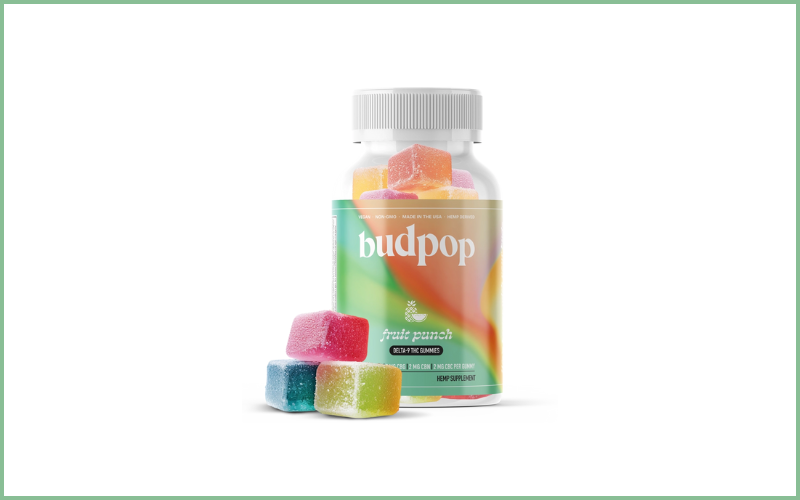
BudPop markets hemp-derived Delta-9 THC gummies containing 15mg Delta-9 THC per gummy, enhanced with minor cannabinoids including CBG, CBC, and CBN. The formulation uses a vegan pectin base with natural flavors and plant-based ingredients and contains no high-fructose corn syrup, artificial additives, or synthetic preservatives.
The brand publishes batch-specific Certificates of Analysis covering potency, heavy metals, pesticides, and solvent screenings. Products are marketed as Farm Bill-compliant, with restricted shipping to states where hemp-derived THC is not permitted. Flavor options include Fruit Punch as the flagship variety.
View BudPop product information.
Exhale Wellness Delta-9 THC Gummies
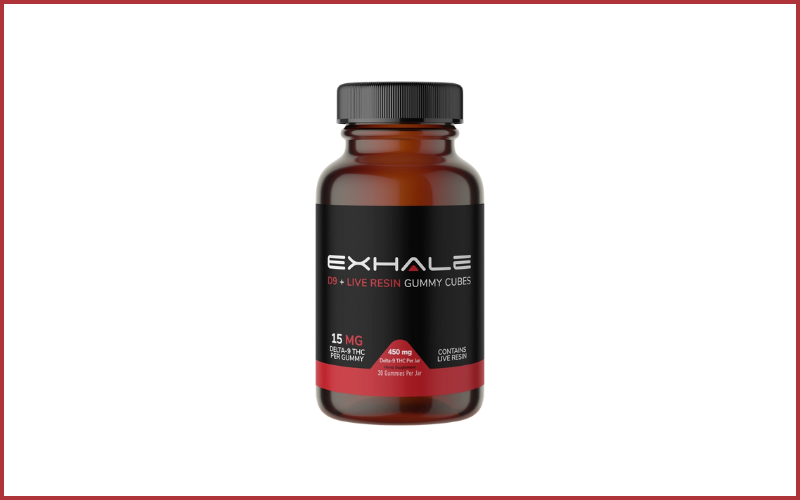
Exhale Wellness markets live resin Delta-9 THC gummies at 15mg THC per gummy. Live resin is an extraction method using flash-frozen hemp, which manufacturers state preserves a broader terpene and cannabinoid profile compared to standard distillate extraction.
The formulation uses Colorado-grown hemp, organic apple pectin, MCT oil, and natural fruit/vegetable extracts for color. The product is marketed as 100% non-GMO with no artificial additives. Third-party testing is conducted by ISO-accredited labs, with full COAs publicly available. The brand reports a 4.9/5 rating across 8,650+ Trustpilot reviews, though consumers should independently verify current review data.
View Exhale Wellness product information
Wyld THC Gummies
Wyld markets a Pomegranate 1:1 gummy containing 10mg Delta-9 THC and 10mg CBD per gummy. The formulation includes real pomegranate juice concentrate, coconut oil, sunflower lecithin, and a botanical terpene blend of limonene, linalool, alpha-pinene, and beta-pinene. The sunflower lecithin and coconut oil are included by the manufacturer as bioavailability aids.
Note that the formulation uses gelatin rather than pectin, meaning it is not vegan. Wyld is a Climate Neutral Certified brand. Its products are distributed through licensed dispensaries rather than direct-to-consumer online channels, meaning availability depends on state dispensary access. The flavor lineup spans Raspberry, Elderberry, Huckleberry, Blood Orange, and Sour Apple. Batch COAs are available on request.
Diet Smoke Delta-9 Gummies
Diet Smoke markets low-sugar, vegan Delta-9 THC gummies containing 10mg THC per gummy with only 2g of sugar per serving. The formulation uses American-grown hemp, a pectin base, and natural flavors and is marketed as vegan, dairy-free, and gluten-free with no synthetic additives or artificial dyes. Each jar contains 30 gummies.
The brand includes a QR code on each package that links directly to third-party COA documentation. A Lifetime Happiness Guarantee is listed on the product page. Flavor options include Cherry Lime, Mango Zen, Blackberry Unwind, and Strawberry.
Medterra Daily Delight Gummies
Medterra markets a CBD-dominant gummy containing 5mg THC and 25mg CBD per gummy from a full-spectrum hemp extract, totaling 33mg of cannabinoids per serving. The formulation uses hemp sourced under the supervision of the Kentucky Department of Agriculture, along with organic tapioca syrup, cane sugar, organic pear juice concentrate, MCT oil, pectin, and organic sunflower lecithin. The product is marketed as vegan and gluten-free.
Third-party COAs are publicly available on the brand’s website. Medterra holds US Hemp Authority certification, which the organization states requires independent audits in addition to standard lab testing. Available flavors include Lemon, Orange, Raspberry, and Blue Raspberry.
Heavy Hitters Lights Out Sugar-Free CBN Gummies
Heavy Hitters lists its Lights Out Sugar-Free CBN Gummies as a nightcap product providing 20mg of THC plus 20mg of CBN per serving. The brand describes them as sugar-free and positions them for nighttime use. Consumers should still check the current package label, batch-specific testing, and local availability before purchasing. Product details are available from Heavy Hitters.
Dosage Considerations
THC affects individuals differently depending on body weight, tolerance, metabolism, prior cannabis experience, and food intake. There is no universally correct dose.
General guidance that appears widely in consumer education resources suggests:
- First-time consumers: 2.5 to 5mg is frequently cited as a conservative starting point
- Occasional consumers: 5 to 10mg is a common moderate range
- Regular consumers: 10 to 25mg reflects more developed tolerance levels
These ranges are informational and not medical advice. Consumers should start conservatively, wait for the full onset before considering more, and recognize that the same dose can produce very different effects depending on circumstances.
THC Gummies and Drug Testing
Standard drug tests screen for THC metabolites and cannot distinguish between hemp-derived and marijuana-derived THC. Consumers subject to workplace drug testing, athletic drug testing, or any other screening should be aware that hemp-derived THC gummies may result in a positive test.
This applies regardless of whether the product is federally legal. Consumers in this situation should avoid all THC-containing products.
Possible Safety Considerations
THC gummies are not appropriate for everyone. Consumers should consult a healthcare professional before use if they:
- Take prescription medications, particularly those that affect the central nervous system, blood pressure, or mood
- Have a personal or family history of psychosis or anxiety disorders
- Are you pregnant or nursing
- Have a history of substance sensitivity
- Need to avoid THC for employment or legal reasons
Products that contain other bioactive ingredients alongside THC, such as melatonin, adaptogens, or nootropic compounds, may have their own interaction considerations. THC gummies should be stored away from children and pets. They should not be combined with alcohol, as the interaction can amplify effects unpredictably.
Red Flags to Watch For
Consumers should be cautious if they observe:
- No Certificate of Analysis available, or a COA that doesn’t match the product name or batch number
- Vague ingredient labels that don’t specify cannabinoid type or milligram amounts
- Claims that the product treats, cures, or prevents any medical condition
- No explanation of state shipping restrictions for a THC-containing product
- Products sold in settings where no testing documentation is available
- No company contact information or manufacturer details
- Pricing is significantly below comparable products in the market, with no explanation
Questions to Ask Before Buying
- What type of THC does this product contain (Delta-9, Delta-8, other)?
- What is the milligram amount per gummy and per container?
- Is the product legal in my state?
- Does the company publish a current, batch-specific Certificate of Analysis?
- Are all ingredients clearly listed?
- Does the product contain THC or other cannabinoids that may affect drug testing?
- Are there warnings for medication interactions or health conditions?
- Is the company making realistic claims, or are they implying medical benefits?
- Is shipping available to my state?
FAQs About THC Gummies
Are hemp-derived THC gummies legal everywhere in the United States?
While hemp-derived Delta-9 THC gummies have been federally legal under the 2018 Farm Bill when they meet the 0.3% dry weight threshold, state laws vary significantly. Several states restrict hemp-derived THC products beyond federal standards. A significant federal regulatory change also takes effect in November 2026. Consumers should check the current state and federal laws before purchasing.
How long do THC gummies take to produce effects?
Onset ranges from 30 to 120 minutes, depending on metabolism, stomach contents, dose, and formulation. Consuming food, particularly fatty food, alongside a gummy may delay the onset but can also intensify the effects. Waiting at least 90 minutes before considering a second dose is strongly recommended.
Can THC gummies show up on a drug test?
Yes. Standard drug screens test for THC metabolites and cannot differentiate between hemp-derived and marijuana-derived THC. Consumers subject to any form of drug testing should avoid THC-containing products regardless of their legal status.
What is the difference between full-spectrum and isolate THC gummies?
Full-spectrum gummies contain a broader range of cannabinoids and terpenes from the hemp plant, including CBD, CBN, and other compounds alongside THC. Isolate gummies contain only a single purified cannabinoid. Some consumers report that full-spectrum products feel more balanced, while isolate products may produce more direct effects.
Are THC gummies a medical treatment?
No. Hemp-derived THC gummies are sold as consumer wellness products or dietary supplements. They have not been evaluated by the FDA to diagnose, treat, cure, or prevent any disease or medical condition. Consumers managing health conditions should speak with a healthcare professional rather than relying on any supplement.
What should I look for in a COA?
A useful Certificate of Analysis should include the product name, batch number, testing date, the name of the accredited independent laboratory, cannabinoid potency results (especially THC milligrams per serving), and, ideally, contaminant screening results for heavy metals, pesticides, and residual solvents. Generic lab reports without a batch reference are less informative.
How do I store THC gummies safely?
Store in a cool, dry location away from direct sunlight, heat, and humidity. Keep all THC-containing products secured away from children and pets. Check the manufacturer’s label for specific storage guidance.
Conclusion
THC gummies are a widely available product category in 2026, but they require more careful evaluation than most supplement purchases. The legal framework is actively changing, formulations vary considerably across the market, and testing quality is inconsistent.
The most important factors when evaluating any THC gummy are ingredient transparency, verifiable third-party testing, realistic marketing claims, clear dosage information, and accurate legal disclosures.
Consumers should approach any product that omits these with caution and should consult a healthcare professional when there is any uncertainty about how a product may interact with medications or health conditions.
Disclaimer: This article is for informational purposes only and does not constitute medical or legal advice. THC gummies may not be appropriate for all consumers. Consult a qualified healthcare provider before using any supplement, especially if you take prescription medications, have a health condition, are pregnant or nursing, or need to avoid THC. Laws related to hemp and THC products vary by state and are subject to change. Check your current state and federal laws before purchasing or using any product. Some products mentioned may be intended only for adults 21 and older.
Other Articles You May Find of Interest...
- P Protect Reviews – Men’s Wellness Patches For Prostate Support and Urinary Comfort
- OnyGuard Anti-Fungal Pen Reviews 2026 – Legit Nail Care Product Or Overhyped?
- DirectMeds ED Reviews 2026 – Is DirectMax A Real Alternative To Standard ED Pills?
- Soda Steel Reviews 2026 – Legit Daily Energy Support or Overhyped Supplement?
- Is Rich Diet App Legit? Subscription, Support, and How to Cancel
- GLP-Star App Review 2026: A GLP-1 Meal Plan for Real Life
- Decamen App Review 2026: Military Calisthenics Workouts for Busy Men





