






More Beauty Skin Care & Gorgeous Smiles Articles
Can Baking Soda Effectively Whiten Your Teeth?
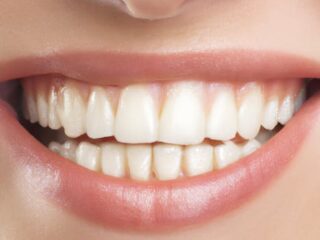
Many people seeking whiter teeth often ask, does baking soda bleach teeth? It’s a common question, especially with the growing trend of DIY home remedies. Baking soda, or sodium bicarbonate, is a popular household item that some believe can be used to remove surface stains and brighten your smile. But how effective is it really, and what should you know before trying it?
Does Baking Soda Bleach Teeth Effectively?
Baking soda is mildly abrasive, which allows it to remove surface stains from teeth. Some research suggests it can be an effective ingredient for teeth whitening when used correctly. While it can help brighten your smile by removing some surface stains, baking soda doesn’t actually bleach the teeth like professional whitening products. Results tend to be modest compared to those achieved with dental treatments that contain bleaching agents like hydrogen peroxide or carbamide peroxide.
According to some studies, using toothpaste that contains baking soda can lead to a one to two-shade improvement in brightness over time. However, the effects are gradual and may require consistent use over a few weeks. The mild abrasiveness is generally considered safe for teeth when used correctly, but excessive or improper use can wear down enamel over time.
How to Use Baking Soda for Teeth Whitening
If you decide to try baking soda for teeth whitening, here are some guidelines to help you do it safely:
- Mix a small amount of baking soda with water to create a paste.
- Brush your teeth gently with the paste for a minute or two, no more than a few times a week.
- Be sure to follow up brushing with a fluoride toothpaste to help protect your teeth from decay.
- Rinse thoroughly to ensure no residue is left on your teeth.
Remember, moderation is key. Overusing baking soda, or using it in abrasive combinations, can erode enamel and increase sensitivity over time.
When to Seek Care
If you’re noticing persistent tooth discoloration or if the yellowing persists despite using baking soda or other home remedies, it might be time to see a dental professional. A dentist can assess your teeth and recommend appropriate treatments, including professional whitening. Additionally, if you experience increased sensitivity or discomfort while using baking soda, discontinue use and consult with your dentist.
Alternative Whitening Treatments
For those looking for more significant results, professional treatments available at the dentist offer more substantial whitening. These include options like in-office bleaching, take-home whitening kits with a higher concentration of bleaching agents, and custom-made trays. While these methods are often more costly, they can provide more immediate and noticeable results.
Over-the-counter whitening products, like whitening strips or gels, are also available and can provide mild to moderate whitening effects, particularly for surface stains. It’s important to follow instructions carefully to minimize any risk to your teeth and gums.
Link Between Oral Health and Whitening
Maintaining good oral hygiene is essential whether or not you’re using baking soda for whitening. Regular brushing with fluoride toothpaste, flossing, and routine dental checkups help keep your teeth and gums healthy. A healthy mouth can better support efforts to achieve and maintain a whiter smile. For women experiencing specific oral health conditions, understanding unique dental concerns can also be vital in maintaining overall dental health.
Takeaways
- Baking soda can help remove surface stains but does not bleach teeth like professional treatments.
- Use baking soda sparingly and follow up with fluoride toothpaste to protect enamel.
- Consult a dentist for persistent stains or for professional whitening options.
- Avoid using baking soda excessively to prevent enamel erosion and sensitivity.
- Maintaining good oral hygiene supports any whitening effort.
Common Questions
Is baking soda safe for my enamel?
In moderation, baking soda is generally safe for enamel; however, overuse can lead to erosion. It’s important to use it sparingly and not as a substitute for regular toothpaste.
Can I mix baking soda with other ingredients for whitening?
While some people mix baking soda with hydrogen peroxide or lemon juice, these combinations can be too abrasive or acidic. It’s best to consult with a dentist before trying such mixtures.
How often should I use baking soda on my teeth?
To avoid enamel damage, limit use to once or twice a week. Always follow up with fluoride toothpaste.
Are there any people who should avoid using baking soda for whitening?
Individuals with sensitive teeth, gum disease, or worn enamel should avoid using abrasive agents like baking soda without consulting their dentist first.
Does baking soda bleach teeth effectively?
Baking soda can help reduce surface stains, contributing to a brighter appearance, but it won’t bleach teeth in the same way professional treatments do. For more substantial whitening, professional dental advice is recommended.
For additional health information and tips, consider visiting trusted health resources.
Other Articles You May Find of Interest...
- Not All Halal Collagen Powders Are the Same
- How Long Does Bactrim Take to Clear Acne?
- Narrowband UVB Therapy: Benefits, Risks, and Best Practices for Patients
- Is It Safe to Use Betamethasone Dipropionate on Your Face?
- How Telemedicine-Based Good Faith Exams Support Patient Safety in Medical Aesthetics
- Can Fat Grafting Help Smooth Breast Scars and Contour Irregularities?
- Discover the Benefits and Uses of Pimecrolimus Cream



