






More Reviews Articles
THCP Gummies in 2026: Potency, Effects, Safety, and Consumer Considerations
The following information is compiled from the internet to help people find the healthcare they need.
This article may contain sponsored or affiliate links provided by third parties. Your Health Magazine does not sell or provide customer service for any products discussed in this article.Questions regarding orders, billing, subscriptions, shipping, returns, refunds, or product performance should be directed to the company listed on the product website. Inclusion in this article does not constitute a guarantee or warranty by Your Health Magazine.Disclosure: This article was submitted by a third-party contributor and is published by Your Health Magazine for informational purposes. Your Health Magazine has not independently verified product testing claims, user experiences, or manufacturer statements and is not affiliated with the brands mentioned.
THCP is one of the more potent cannabinoids found in hemp, and products containing it have become increasingly common. Because THCP is often described as binding to certain receptors far more strongly than ordinary THC, understanding how it behaves and approaching it with caution matters more than chasing maximum strength.
This guide explains what THCP is, how it tends to feel compared with other cannabinoids, general dosage and safety considerations, how to evaluate product quality, and the legal questions surrounding it in 2026.
Key Takeaways
- THCP is generally considered much stronger than ordinary THC; laboratory research suggests it binds to CB1 receptors with far greater affinity, so small amounts can have an outsized effect.
- Low and slow is the common-sense approach; many sources suggest starting with a very small dose (often around 1-2.5 mg) even for experienced cannabis users.
- Onset can be slow and deceptive; waiting at least 90 minutes before considering more helps avoid accidental over-consumption.
- Lab testing matters. A current, third-party Certificate of Analysis (COA) is one of the most useful tools for assessing a product.
- Legality is uncertain and changing; THCP sits in a legal grey area, and rules vary by state and over time.
THCP Gummies: Product Comparison Table
The table below lists examples of THCP gummy products as factual reference points rather than recommendations. Figures are as labeled by each brand.
| Brand | THCP/Serving | Reported Onset | Reported Duration | Lab Tested |
| Budpop | 5 mg | 60-75 min | 4-6 hours | Yes |
| Exhale Wellness | 2.5 mg | 75-90 min | 3-5 hours | Yes |
| Cheef Botanicals | 10 mg | 45-60 min | 6-8 hours | Yes |
The sections below describe each product’s formulation factually.
A Closer Look at Common THCP Gummy Products
BudPop
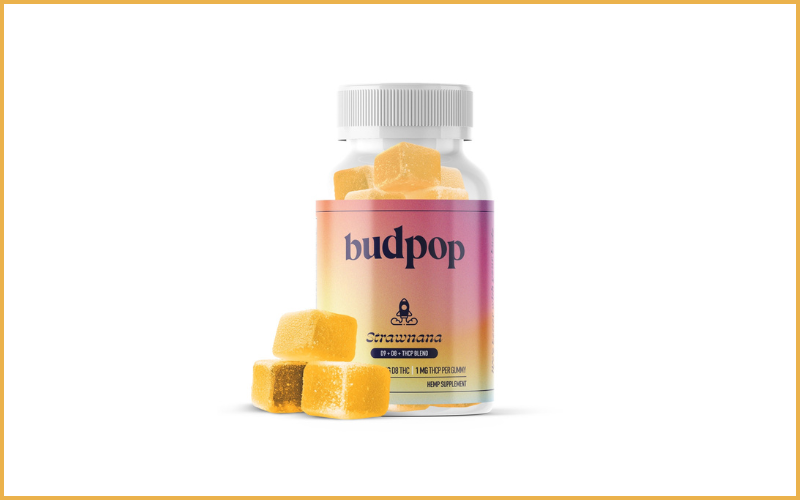
BudPop’s THCP gummies contain 5 mg of THCP per gummy, a mid-range serving size. The gummies are lab-verified, and each one can be split for a smaller serving.
Pros
- 5 mg THCP per gummy (mid-range serving)
- Lab-verified
- Can be split for a smaller serving
Cons
- Reaching a smaller serving requires splitting the gummy
Exhale Wellness
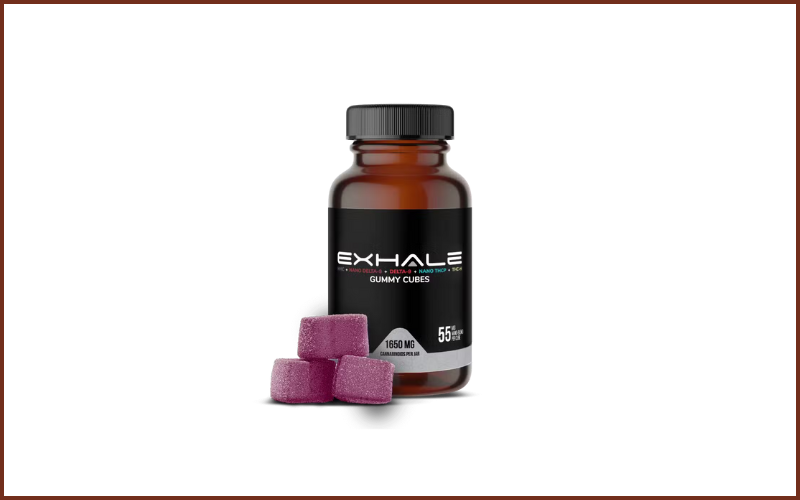
Exhale Wellness’s THCP gummies contain 2.5 mg of THCP per gummy, the lowest serving size among the products listed. The gummies are lab-tested.
Pros
- 2.5 mg THCP per gummy (lowest serving listed)
- Lab-tested
- Lower serving size allows for smaller dose adjustments
Cons
- Reaching a higher serving may require multiple gummies
Cheef Botanicals
Cheef Botanicals’ THCP gummies contain 10 mg of THCP per gummy, the highest serving size among the products listed. The gummies are lab-tested, and a gummy can be split for a smaller serving.
Pros
- 10 mg THCP per gummy (highest serving listed)
- Lab-tested
- Can be split for a smaller serving
Cons
- 10 mg per gummy is the highest serving listed
- A smaller serving requires splitting the gummy
What to Look For in a THCP Gummy?
Because THCP is potent and the market is loosely regulated, applying consistent evaluation criteria is more reliable than trusting marketing claims.
Product Selection Considerations
Products from US-based companies that publish current, publicly available third-party lab reports are generally easier to evaluate. Transparency about sourcing and testing tends to be a useful signal of quality.
Lab Verification
A meaningful COA typically reports THCP potency, screens for heavy metals (such as lead, arsenic, and mercury), and tests for pesticide residues and residual solvents. Confirming that the batch number on the COA matches the product packaging is a simple step that indicates whether a brand tests each batch rather than reusing older reports.
Consistency
Serving sizes should be consistent across a container. Reports of gummies varying in potency within the same bottle are a reason for caution, since inconsistent dosing is especially risky with a cannabinoid this strong.
Scoring Considerations
When comparing products, common factors include potency, accuracy and consistency, safety and lab transparency, company reputation and customer service, reported effects, and value per milligram. Weighing these together gives a fuller picture than focusing on any single number.
Common THCP Gummy Formulations
Products described as THCP gummies differ mainly in potency and the extraction methods used to make them. Understanding these categories helps clarify product labels.
Lower-Dose Formulations
Lower-dose products, often around 2.5 mg per serving, are frequently marketed toward those new to THCP. They are generally described as offering a gentler introduction and are easier to titrate. A slower onset is commonly reported, which makes patience important before taking more.
Moderate-Dose Formulations
Mid-strength products, often around 5 mg, are typically aimed at users with some THC tolerance who want a more pronounced effect while retaining some control. Onset and duration tend to fall between the lower and higher tiers.
High-Dose Formulations
Higher-potency products, sometimes 10 mg or more per gummy, are generally intended for experienced users and are easy to overconsume. Splitting a gummy is a commonly suggested precaution. Effects at this level are often described as intense and long-lasting, and such products are not well-suited to daytime use.
Extraction Methods
The extraction method can affect purity. CO2 extraction is often described as a clean approach, while ethanol or hydrocarbon extraction can also be used; in the latter case, residual-solvent testing is particularly worth confirming on the COA.
What Is THCP? The Science, Simply
THCP (tetrahydrocannabiphorol) was identified in 2019 by Italian researchers studying a cannabis variety known as FM2. The molecule has a seven-carbon side chain, compared with the five-carbon chain of Delta-9 THC. Laboratory research suggests this structure allows THCP to bind to CB1 receptors with substantially greater affinity than Delta-9; figures around 30 times greater are often cited, though receptor-binding strength in a lab does not translate directly into a proportional difference in how a person feels the effects.
Many users report that THCP feels closer to a high-dose edible experience: longer duration, more body-focused relaxation, and a greater risk of anxiety if the dose is misjudged. Because the liver appears to process it more slowly, effects are commonly reported to last longer than those of Delta-9, which often peaks within a few hours.
Is THCP Legal in the US? (2026 Considerations)
THCP exists in a legal grey area connected to the 2018 Farm Bill, which legalized hemp-derived products containing less than 0.3% Delta-9 THC by dry weight. Because THCP can be derived from legal hemp, some companies describe it as federally compliant. However, the situation is contested, and several states have restricted intoxicating hemp cannabinoids more broadly.
As of early 2026, various sources report that THCP is restricted or prohibited in a number of states, and additional states have pending legislation. Shipping policies also vary, with some retailers declining to ship to certain states. Because this area changes frequently, the most reliable approach is to verify current state and federal rules before purchasing rather than relying on a product’s compliance claims. What is permitted in one state, or at one point in time, may differ elsewhere or later.
This is general information, not legal advice.
THCP vs. THC vs. Delta-8 vs. HHC
These cannabinoids interact with the body differently, which helps explain why similar-looking gummies can produce very different experiences. The comparison below describes general tendencies rather than endorsing any option.
| Compound | Relative Strength vs. Delta-9 | Reported Psychoactive Intensity | Legal Status | Commonly Associated With |
| THCP | Often described as several times stronger | High anxiety possible if misjudged | Grey area | Experienced users, evening use |
| Delta-9 THC | Baseline | Moderate | Federally restricted; varies by state | General recreational use |
| Delta-8 THC | Often described as milder | Low to moderate | Grey area; restricted in many states | Those seeking a milder effect |
| HHC | Roughly comparable to Delta-9 | Moderate | Grey area; less standardized testing | Mild euphoria |
These are generalizations; potency comparisons between cannabinoids are not precise, and individual responses vary.
THCP Effects: What Users Commonly Report?
The following describes commonly reported experiences. These accounts are subjective and vary considerably from person to person; they are not guaranteed outcomes.
Mental Effects
Users often describe euphoria that feels stronger than typical Delta-9 edibles, and some report mild perceptual changes. Increased creativity or introspection is sometimes mentioned, but so is heightened overthinking among people prone to anxiety.
Physical Effects
Heavy body relaxation, muscle-tension relief, and sedation (“couch-lock”) are commonly reported at higher doses. Some users report an increased heart rate during peak effects, and dry mouth and red eyes are frequently mentioned.
Duration
Onset is commonly reported in the range of 45 to 90 minutes, with peak effects often around 2 to 3 hours and total duration roughly 4 to 8 hours, depending on dose and metabolism.
Variability
Responses depend heavily on tolerance. The same dose that feels mild to a frequent user can feel overwhelming to an occasional one, which is a key reason starting low is widely recommended.
THCP Dosage and Safety Considerations
THCP’s potency makes conservative dosing especially important. The ranges below are general guidance, not a prescription.
| Experience Level | Suggested Starting Dose | Cautious Single-Dose Ceiling | Frequency Note |
| New to THCP | 1–1.5 mg | 2.5 mg | Infrequent use |
| Regular THC user | 2.5–3 mg | 5 mg | Occasional use |
| High tolerance | 5 mg | 10 mg | Daily use discouraged |
A common approach is to start with half a gummy and wait at least 90 minutes before considering more, since THCP edibles can have a delayed onset that leads people to take additional doses too soon.
Important cautions: Frequent use is generally discouraged, as tolerance is reported to build quickly, and some users report withdrawal-type symptoms such as irritability or disrupted sleep after regular heavy use. Combining THCP with alcohol is widely advised against, as it can intensify effects and increase the risk of nausea or impairment. Avoid driving or operating machinery for several hours after dosing, even if you feel sober.
Side Effects and Who Should Be Cautious
Commonly reported side effects include anxiety or paranoia (particularly at higher doses), a faster heart rate, dizziness when standing quickly, and dry mouth. Less commonly reported effects include nausea, lingering mental fog, and mild headaches during the comedown.
Groups for whom caution or avoidance is generally advised include:
- People with diagnosed anxiety or panic disorders, who may find symptoms worsen
- People with heart conditions or high blood pressure, given commonly report increases in heart rate
- Anyone pregnant or breastfeeding
- Anyone under 21
- People taking psychiatric medications (such as SSRIs or benzodiazepines) without a healthcare provider’s guidance
THCP products are not approved to treat, cure, or prevent any medical condition. Consult a qualified healthcare professional before using cannabinoid products, especially if you take medication or have a health condition.
How to Evaluate THCP Gummies?
Because THCP is far more potent than standard THC, careful product selection helps reduce the risk of over-consuming or buying poorly tested products.
COA Verification
Look for third-party lab reports showing THCP potency, heavy metals, pesticides, and residual solvents, and confirm that batch numbers on the COA match the product packaging.
Hemp Source
Products made from US-grown hemp with disclosed farm locations are generally easier to assess. Organic certification can be a plus but is not essential.
Extraction Method
CO2 extraction is often described as among the cleanest. Other methods can be acceptable when residual-solvent testing is available; brands that decline to disclose their process are harder to evaluate.
Dosage Labeling
Consistent servings across a container are important. Inconsistent potency within a single bottle is a meaningful warning sign.
Company Transparency
Accessible customer service, clear contact information, and a willingness to answer sourcing and testing questions are reasonable signals of a legitimate company.
FAQs About THCP Gummies
Do THCP gummies make you sleepy?
At higher doses, sedation and “couch-lock” are commonly reported a few hours after peak effects. Lower doses are more often described as relaxing without strongly inducing sleep. Responses vary by individual.
Can THCP gummies be taken on an empty stomach?
They can, and the onset is often reported to be faster on an empty stomach, which can also intensify effects. Taking them with food tends to slow the onset.
Can THCP gummies be combined with other supplements?
Combining THCP with alcohol, sedatives, or other cannabinoids can produce cumulative effects and is generally discouraged without understanding the risks. Speak with a healthcare provider if you take other medications.
How should THCP gummies be stored?
A cool, dark place away from heat and sunlight is commonly recommended. Refrigeration can extend shelf life, but is not required. Because these products can resemble ordinary candy, keeping them away from children and pets is essential.
Final Thoughts
THCP gummies occupy the high-potency end of the hemp market, and the same traits that make them appealing to some users also make caution important. They are generally not well-suited to first-time cannabinoid users or anyone expecting a mild effect.
For those who choose to try THCP, common-sense practices include starting with a very low dose from a brand that publishes current lab reports, avoiding untested products, not combining it with alcohol, and treating it with the same care as trying edibles for the first time, regardless of prior cannabis experience. Because both the science and the legal landscape are still developing, staying informed and consulting qualified professionals where appropriate is a sensible approach.
Disclaimer: This article is for informational and educational purposes only and does not constitute medical or legal advice. Consult a qualified healthcare professional before using any hemp or cannabis product, especially if you take prescription medications, are pregnant, or have a medical condition, and verify the current laws in your jurisdiction.
Other Articles You May Find of Interest...
- DentaBiome Reviews 2026: Does This Oral Postbiotic Formula Really Work?
- Booster Brew Reviews 2026: Does This Male Performance Supplement Really Work?
- Red Boost Reviews 2026 – What to Know About This Male Performance Supplement
- NervEase Reviews 2026 – What to Know About This Sciatic Nerve Supplement
- BrainLive Reviews 2026 – What to Know About This Brain Health Powder
- The Blood Pressure Program Reviews: Christian Goodman Book Worth It or Not?
- The Parkinson’s Protocol Reviews (2026): Does Jodi Knapp’s Program Really Work?




