






More Dental Health Articles
The Essential Guide to Dental Blocks and Their Benefits
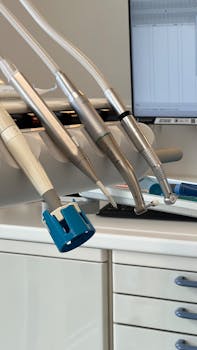
Imagine settling into your dentist’s chair, filled with the usual apprehension about the discomfort you might feel during your procedure. Then, your dentist mentions using a dental block to ease your discomfort. A dental block, a type of anesthesia, can help you have a pain-free experience during various dental procedures. Understanding how dental blocks work and their potential benefits can make your next visit to the dentist less stressful and more informed.
Understanding the Role of Dental Blocks in Dentistry
A dental block involves injecting an anesthetic near a specific nerve to temporarily block sensation in a targeted area of the mouth. This technique is particularly useful for procedures requiring precision, such as fillings, root canals, or extractions. By preventing pain signals from reaching your brain, dental blocks allow dentists to work efficiently while keeping you comfortable.
Benefits of Using Dental Anesthesia
The primary advantage of dental blocks is pain management. This localized anesthesia offers significant relief compared to general anesthesia, which affects the entire body. Dental blocks also typically have fewer side effects, and you remain fully conscious during the procedure, so communication with your dentist is still possible.
Furthermore, the effect of a dental block is often localized to just the area being treated. This minimizes the risk of numbing other parts of your mouth, helping you return to normal sensation more quickly after the procedure.
When to Seek Care
Most dental procedures, whether routine or complex, can be managed with a dental block. However, if you experience persistent pain after the numbness wears off or unusual swelling, it may be time to consult your dentist. An oral surgeon or a specialist dentist might be necessary if your symptoms don’t improve. Immediate care is critical if you experience signs of an allergic reaction to the anesthetic, like difficulty breathing or severe swelling.
For related dental issues affecting women more commonly, see our article on TMD from a Woman’s Perspective.
Common Side Effects and Considerations
While dental blocks are generally safe, some people might experience common side effects like mild soreness at the injection site or lingering numbness. Rarely, nerve damage might occur, leading to prolonged numbness or tingling. Discuss with your dentist any previous reactions to local anesthetics and any existing health conditions that might affect your procedure.
If you’re switching dental practices or trying new procedures, don’t hesitate to ask your dentist about the specific type of anesthesia they’re planning to use. Understanding how they approach common issues like pain management can ease anxiety and dispel any misconceptions.
Practical Tips for Managing Anxiety and Pain
Before your appointment, it’s helpful to talk openly with your dentist about any fears you may have. Dentists often have various strategies to help manage anxiety, from explaining the procedural steps to offering sedation options alongside dental blocks. If you’re particularly anxious, deep breathing exercises or bringing a friend along for support can also make a significant difference.
It’s essential to relax after your procedure. Avoid chewing on the numb side of your mouth to prevent accidental biting and potential injuries. Your dentist might provide specific instructions on eating and drinking post-treatment, so be sure to follow them diligently.
Common Questions
Why do dentists use dental blocks?
Dentists use dental blocks to numb specific areas of the mouth, helping to eliminate pain during procedures. This allows them to work precisely without causing discomfort to the patient.
When should I be concerned after a dental block?
If numbness persists longer than expected or is accompanied by severe pain or swelling, you should see your dentist. They can assess whether additional care is needed or if there’s a complication.
Who can provide care involving dental blocks?
General dentists, oral surgeons, and other dental specialists commonly utilize dental blocks during treatments. For more complex dental issues or surgical procedures, you might be referred to a specialist.
Are there any alternatives to dental blocks?
Other pain management options include nitrous oxide, oral sedatives, or general anesthesia for more extensive procedures. Each has its pros and cons, which your dentist can discuss with you to determine the best approach for your needs.
How long does the effect of a dental block last?
The duration of numbness from a dental block varies depending on the anesthetic used and the specific procedure. Generally, it can last from one to several hours. Your dentist will provide an estimate based on your situation.
Takeaways
- A dental block is a local anesthesia technique used during dental procedures to manage pain.
- It’s an effective way to maintain comfort, allowing dentists to perform precise work.
- Common side effects include temporary numbness and mild soreness.
- Persistent pain or complications after the procedure warrant consulting your dentist.
- Discuss any personal health considerations with your dentist before undergoing treatment.
For more detailed information on dental anesthesia and health topics, consider visiting MedlinePlus.
Other Articles You May Find of Interest...
- Can Gum Disease Cause Bad Breath?
- Botox at the Dentist? A Northern Virginia Patient FAQ About Uses, Safety, and What to Expect
- Why Your Teeth May Look Healthy but Still Need Dental Attention
- What Goes Into Developing an Alcohol-Free Mouthwash Beyond the Ingredient List
- 6 Best Dentist Options in Reston, Virginia for Family, Cosmetic, and Emergency Care
- Why Comprehensive Dental Care Matters at Every Stage of Life
- Why Preventive Dental Care Matters at Every Stage of Life





