






More Dental Health Articles
When Dentists May Recommend Dental Crowns for Tooth Protection?
Most people don’t think much about a tooth until it starts bothering them.
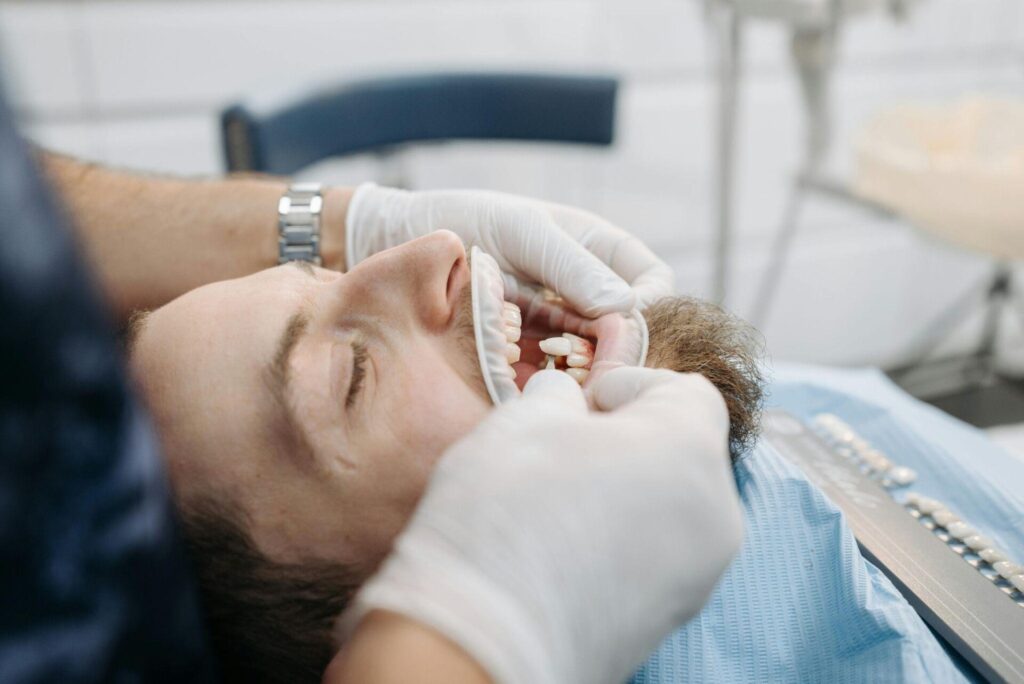
It could be a slight sting when you sip something cold, or a dull ache when you chew on one side. Nothing too serious, so it’s easy to ignore. But these small signs are often the early stages of a tooth weakening.
At that point, a dentist for crowns might not be fixing a major problem yet. They are trying to stop one from developing. A dental crown is a protective covering placed over a tooth to restore its strength and shape.
Dental crowns are usually recommended before things get worse, not after. And understanding that timing makes a big difference.
5 Signs You Might Need a Dental Crown:
A tooth rarely fails all at once. There are usually a few signs along the way.
You might notice:
- Discomfort when biting down
- Sensitivity that lingers longer than usual
- A tooth that looks slightly darker than the others
- A filling that feels loose or worn
- Small chips that keep coming back
These signs do not always mean you need a dental crown straight away. But they do suggest the tooth may not be as strong as it used to be.
When a Dentist for Crowns May Suggest It?
There isn’t a single reason crowns are used. It usually comes down to how much of the tooth is still able to support itself.
- When the Tooth Has Lost Too Much Structure
This is one of the more common situations.
A large cavity or an old filling can leave very little healthy tooth behind. Even if it has been treated before, the remaining part may not hold up well under pressure.
Fillings work well for smaller areas, but they do not provide the same level of protection as a full dental crown. In this case, a crown is less about repair and more about reinforcement.
- After a Root Canal
A tooth that has had a root canal is no longer the same internally. It does not have the same flexibility or strength it once did.
Over time, that can make it easier to crack, sometimes without warning. Covering it with a crown helps reduce that risk and keeps it usable for longer. In situations like this, a dentist for crowns will often recommend protection early to prevent unexpected fractures.
- When Cracks Start to Develop
Cracks are tricky because they are not always obvious.
You may feel discomfort when chewing, but nothing shows on the surface. These cracks can spread slowly, especially if you grind your teeth or bite into harder foods.
A tooth crown works by holding the structure together, so the crack does not worsen.
- If the Tooth Is Wearing Down
Wear does not happen overnight.
It builds up over the years, whether from grinding, diet, or general use. This is something dentists often notice during routine dental visits. Eventually, the tooth may lose its natural shape, and that can affect how your bite feels.
A crown can rebuild that structure and reduce further strain.
- When Fillings Are No Longer Reliable
Fillings do not last forever. Larger ones, especially, can start to weaken the surrounding tooth.
You might notice small fractures forming around the edges or a change in how the tooth feels when you bite.
At that point, replacing it with another filling may not solve the underlying issue. A dental crown provides more complete support.
Why Acting Early Actually Matters?
This is often the point where people are deciding whether to act now or wait.
A lot of dental problems become more complicated simply because they are delayed. A small crack can turn into a split tooth. A weakened structure can break suddenly while eating.
Crowns are often suggested earlier for this reason. Not because the tooth is beyond saving, but because it still can be protected. A dentist for crowns will typically assess how much structure remains and recommend treatment before the damage becomes more severe.
Keeping the natural tooth intact is usually the better outcome. Once a tooth is lost, it tends to create a chain reaction that affects nearby teeth as well.
Are There Other Options?
Sometimes, yes. If the damage is minimal, a filling or bonding might be enough. These work well for smaller repairs where most of the tooth is still healthy, but they do not offer the same level of strength as a dental crown.
Veneers may also be considered, though they are generally used for appearance rather than structural support.
The key difference is how much support the tooth needs. Once it reaches a certain point, these options may not hold up as well.
Closing Thoughts
Dental crowns are not just a solution for damaged teeth; they are often recommended to protect a tooth before the problem becomes more serious. Acting early allows the tooth to be reinforced while there is still enough structure to preserve it.
Delaying treatment can sometimes turn a manageable issue into a more complex one. What begins as minor discomfort or wear can progress into fractures, instability, or even tooth loss if left unaddressed.
The goal of a crown is not only to restore strength but to maintain function and prevent further damage over time. In many cases, early intervention can reduce the need for more extensive treatments later.
Speaking with a dentist for crowns can help you understand the right timing based on your specific situation. A timely evaluation can help determine whether simple care is enough or if additional support, such as a dental crown, may be beneficial.
Other Articles You May Find of Interest...
- Can Gum Disease Cause Bad Breath?
- Botox at the Dentist? A Northern Virginia Patient FAQ About Uses, Safety, and What to Expect
- Why Your Teeth May Look Healthy but Still Need Dental Attention
- What Goes Into Developing an Alcohol-Free Mouthwash Beyond the Ingredient List
- 6 Best Dentist Options in Reston, Virginia for Family, Cosmetic, and Emergency Care
- Why Comprehensive Dental Care Matters at Every Stage of Life
- Why Preventive Dental Care Matters at Every Stage of Life




