






More Dental Health Articles
Are Clear Aligners Right for Your Smile?
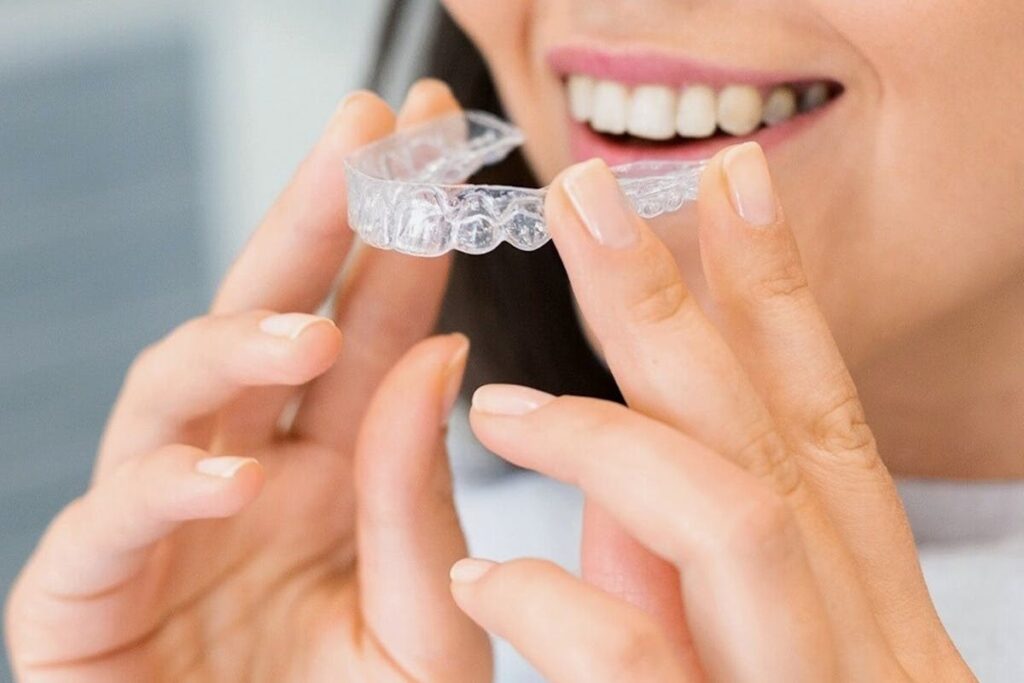
The American Dental Association reports that over 12 million Americans have used clear aligner therapy in the past decade, with treatment numbers continuing to climb by approximately 30% annually. This surge reflects more than just improved technology — it signals a fundamental shift in how adults and teens approach orthodontic care. Where traditional metal braces once dominated the landscape, clear aligners now offer an alternative that fits seamlessly into professional and social environments without the aesthetic compromises many patients feared.
For anyone considering teeth straightening today, the decision involves weighing factors that didn’t exist even five years ago. Clear aligners have evolved from handling simple spacing issues to addressing complex bite problems, while digital treatment planning has made outcomes more predictable than ever. Yet understanding whether this technology matches your specific needs requires looking beyond marketing claims to examine the actual mechanics, research evidence, and real-world considerations that determine treatment success.
How Do Clear Aligners Move Teeth and Correct Bite Problems?
Clear aligners work through controlled biomechanical forces that gradually reposition teeth within the jawbone. Each aligner applies precise, gentle pressure to specific tooth surfaces, triggering a biological process called bone remodeling. When pressure is applied to a tooth, cells called osteoblasts build new bone on one side while osteoclasts break down bone on the pressure side, allowing the tooth to move into its new position over time.
The aligners themselves are manufactured from medical-grade thermoplastic materials, typically polyurethane or polyethylene terephthalate glycol (PETG), which provides the right balance of flexibility and strength. Advanced 3D imaging captures precise measurements of your current tooth positions, and computer algorithms map the incremental movements needed to achieve the final result. Each aligner in the series represents one small step in this journey, typically moving teeth about 0.25 millimeters per stage.
Bite correction capabilities have expanded significantly as aligner technology has advanced. Modern clear aligners can address overbites by using specialized attachments — small, tooth-colored bumps bonded to specific teeth that provide additional leverage points. For crossbites and underbites, aligners work in conjunction with elastics or spring-loaded mechanisms that guide jaw alignment. Complex rotations, which once required traditional braces, can now be managed through strategically placed attachments and precisely calculated force vectors.
The treatment timeline depends heavily on the complexity of movement required. Simple spacing or minor crowding might resolve in 6-12 months, while comprehensive bite correction can extend to 18-24 months. Throughout this process, patients typically switch to a new aligner every 1-2 weeks, with progress monitored through periodic check-ups and digital scans that verify teeth are tracking according to plan.
What Are the Advantages and Limitations Compared with Braces?
Benefits of Clear Aligners Over Traditional Braces
The most obvious advantage remains aesthetic appeal — clear aligners are virtually invisible during normal conversation and social interaction. For adults in professional settings or teens concerned about self-image, this discretion eliminates the social anxiety often associated with metal braces. The psychological impact shouldn’t be underestimated; patients report greater confidence during treatment compared to traditional orthodontic options.
Oral hygiene represents another significant benefit. Unlike braces, which create numerous spaces where food particles and plaque accumulate, aligners are removable for brushing and flossing. This accessibility means patients can maintain their regular dental hygiene routine without specialized tools or techniques. Research consistently shows lower rates of gingivitis and white spot lesions (early decay) among clear aligner patients compared to those with traditional braces.
The flexibility around eating proves particularly valuable for many patients. With braces, certain foods — sticky candies, hard nuts, popcorn — are off-limits throughout treatment to avoid damage to brackets and wires. Clear aligner users simply remove their trays during meals, allowing them to enjoy any food without restriction. This freedom extends to special occasions, important presentations, or situations where removing aligners temporarily won’t compromise treatment progress.
Treatment comfort also favors clear aligners in most cases. While both options involve pressure as teeth move, aligners distribute forces more evenly across tooth surfaces. The smooth plastic material eliminates the cuts and irritation that metal brackets and wires can cause to cheeks and lips, particularly during the adjustment period after tightening appointments.
Limitations and When Braces Might Be Better
Complex orthodontic cases still challenge clear aligner effectiveness despite technological improvements. Severe rotations, particularly of canine teeth, often require the continuous force that only fixed braces can provide. Similarly, significant vertical movements — bringing impacted teeth into proper position or addressing severe bite discrepancies — may need the precise control that brackets and wires offer.
Patient compliance represents the most critical limitation. Clear aligners only work when worn consistently, typically 20-22 hours per day. Unlike braces, which work continuously regardless of patient behavior, aligners depend entirely on user discipline. Patients who frequently remove their trays for convenience, forget to wear them overnight, or lose aligners face delayed progress and potentially compromised results.
Speech effects can pose challenges during the initial adjustment period. Some patients experience a slight lisp or altered pronunciation for the first 1-2 weeks as their tongue adapts to the presence of aligners. While most people adjust quickly, individuals whose profession depends on clear speech — teachers, public speakers, sales professionals — need to factor this temporary change into their decision timeline.
Cost considerations also vary significantly by case complexity and geographic location. While clear aligners have become more competitive with traditional braces, comprehensive treatment often requires additional components like attachments, elastics, or refinement aligners that can increase total investment beyond initial estimates.
What to Expect During Treatment and How to Maximize Success
The Clear Aligner Treatment Process
Treatment begins with comprehensive digital imaging, typically using intraoral scanners that capture precise 3D models of your teeth and bite. This technology has largely replaced the uncomfortable putty impressions of the past, providing more accurate data for treatment planning. Your orthodontist or dentist reviews the proposed tooth movements, adjusting the computer-generated plan based on clinical expertise and treatment goals.
Once aligners arrive, the fitting appointment involves placing any necessary attachments — small, tooth-colored composite resin bumps strategically bonded to specific teeth. These attachments serve as handles, allowing aligners to grip teeth more effectively for complex movements like rotations or extrusions. While attachments are barely noticeable to others, patients need time to adapt to their presence during speaking and eating.
Progress monitoring occurs every 6-8 weeks through brief check-up appointments where your provider ensures teeth are tracking according to plan. Digital scans at these visits can detect any deviations early, allowing for mid-course corrections before problems compound. Some patients require refinements — additional aligners that fine-tune results when initial treatment doesn’t achieve perfect positioning.
Many patients want to straighten teeth with invisalign after researching their options, and the consultation process helps determine whether clear aligners match their specific orthodontic needs. The treatment planning phase typically takes 2-3 weeks from initial scan to receiving the first set of aligners.
Patient Compliance and Best Practices
Wearing schedule adherence determines treatment success more than any other factor. The 20-22 hour daily requirement means aligners should only be removed for meals, drinking anything other than water, and oral hygiene routines. Patients who consistently meet this target typically finish treatment on schedule, while those who frequently fall short may need extended treatment time or additional refinement aligners.
Establishing routines helps maintain compliance. Many successful patients develop habits like immediately placing aligners in their protective case during meals, setting phone reminders for reinsertion, and keeping backup cases at work or in their car. The first few weeks require conscious effort, but proper wearing becomes automatic once routines are established.
Oral hygiene practices need slight modifications during aligner treatment. Aligners should be rinsed with cool water before reinsertion after meals, and patients benefit from brushing teeth before putting aligners back in to avoid trapping food particles. Weekly deep cleaning with aligner-specific cleaning products or gentle antibacterial solutions keeps the plastic clear and odor-free throughout each aligner’s 1-2 week lifespan.
Post-treatment retention follows similar principles to traditional orthodontics. Most patients transition to retainers — either removable clear retainers similar to aligners or fixed wire retainers bonded to the back of teeth. Consistent retainer wear prevents the natural tendency for teeth to drift back toward their original positions, protecting the investment made in aligner treatment.
What Does Research Say About Clear Aligner Effectiveness?
Clinical studies published in the Journal of Clinical Orthodontics demonstrate that clear aligners achieve successful outcomes in 85-90% of cases involving mild to moderate malocclusions. This success rate approaches that of traditional braces for comparable treatment complexity, though the definition of “successful outcome” varies between studies. Most research measures success by final tooth positions within acceptable clinical tolerances rather than perfect computer-predicted placement.
Treatment predictability has improved dramatically as aligner technology has evolved. A 2023 study in the American Journal of Orthodontics found that tooth movements involving tipping and simple rotations achieved 90% accuracy compared to treatment plans, while more complex movements like root positioning and severe rotations reached 70-80% predictability. These figures represent significant improvements over early aligner systems, which struggled with anything beyond basic alignment.
Research consistently shows that patient compliance directly correlates with treatment outcomes. Studies tracking actual wearing time through embedded sensors found that patients wearing aligners 20+ hours daily achieved planned movements 88% of the time, compared to 65% success rates for those wearing aligners 14-16 hours daily. This data reinforces the critical importance of adherence to prescribed wearing schedules.
Long-term stability research indicates that clear aligner results remain stable at rates similar to traditional orthodontic treatment when proper retention protocols are followed. A five-year follow-up study published in Orthodontics & Craniofacial Research showed that 82% of clear aligner patients maintained satisfactory tooth positions compared to 85% of traditional braces patients, a difference within the margin of statistical significance.
Recent biomechanical research has identified optimal attachment designs and aligner thickness for specific types of tooth movement. This evidence-based approach to treatment planning has led to more predictable outcomes and reduced treatment times for many cases, particularly those involving complex rotations or bite corrections that previously challenged aligner effectiveness.
How Do Aesthetics, Comfort, and Lifestyle Improve with Clear Aligners?
The invisibility factor extends beyond simple appearance to impact daily interactions and professional confidence. Patients report feeling more comfortable smiling, speaking in meetings, and participating in social situations without the self-consciousness that metal braces often create. This psychological benefit proves particularly significant for adults who delayed orthodontic treatment due to concerns about professional appearance or social perception.
Physical comfort advantages become apparent within days of starting treatment. While both clear aligners and traditional braces cause some discomfort as teeth move, aligners eliminate the sharp edges, broken wires, and tissue irritation that frequently accompany metal orthodontics. The smooth plastic material and custom fit minimize cheek and lip trauma, reducing the need for protective wax or emergency orthodontic visits.
Dietary freedom represents a practical lifestyle benefit that many patients underestimate until experiencing it firsthand. The ability to remove aligners for meals means no restrictions on sticky, hard, or crunchy foods that are problematic with braces. This flexibility proves especially valuable during social dining, travel, or special occasions where food choices would otherwise be limited by orthodontic hardware.
Oral hygiene maintenance becomes significantly easier with removable aligners. Patients can brush and floss normally, using their preferred techniques and products without modification. This accessibility typically results in better periodontal health during treatment and reduces the risk of white spot lesions that can occur when plaque accumulates around bracket bases. The ability to maintain thorough cleaning routines contributes to overall treatment success and long-term dental health.
The convenience factor extends to emergency situations and lifestyle flexibility. Unlike traditional braces, which require urgent orthodontic visits for broken brackets or protruding wires, aligner problems rarely constitute true emergencies. Lost or damaged aligners can often be managed temporarily by returning to the previous set or advancing to the next set, depending on timing and clinical circumstances.
For many patients, clear aligners represent the first orthodontic option that seamlessly integrates with their established lifestyle rather than requiring significant behavioral adaptations. This compatibility often leads to higher treatment satisfaction and better long-term compliance with post-treatment retention requirements, ultimately protecting the investment made in achieving their ideal smile.
Other Articles You May Find of Interest...
- Can Gum Disease Cause Bad Breath?
- Botox at the Dentist? A Northern Virginia Patient FAQ About Uses, Safety, and What to Expect
- Why Your Teeth May Look Healthy but Still Need Dental Attention
- What Goes Into Developing an Alcohol-Free Mouthwash Beyond the Ingredient List
- 6 Best Dentist Options in Reston, Virginia for Family, Cosmetic, and Emergency Care
- Why Comprehensive Dental Care Matters at Every Stage of Life
- Why Preventive Dental Care Matters at Every Stage of Life





