






Your Health Magazine Contributor
4201 Northview Drive
Suite 102
Bowie, MD 20716
More Dental Health Articles
Are Clear Aligners Right for Your Teen?
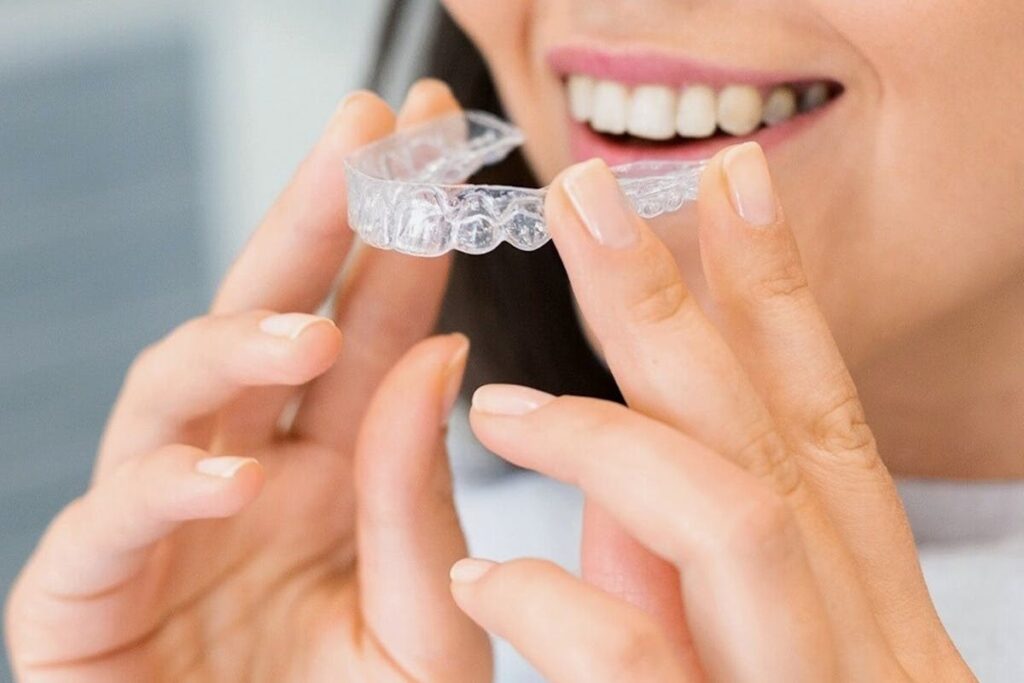
The American Association of Orthodontists reports that approximately 4.5 million teens in the United States are currently undergoing orthodontic treatment — and clear aligners now represent nearly 30% of those cases, a dramatic shift from just a decade ago. As traditional metal braces face increasing competition from nearly invisible alternatives, families find themselves navigating a more complex decision than ever before. The choice between clear aligners and conventional braces involves far more than aesthetics, touching on everything from treatment effectiveness and lifestyle compatibility to long-term oral health outcomes.
For parents weighing orthodontic options, the stakes extend beyond a teenager’s confidence during high school photos. The adolescent years represent a critical window for correcting dental issues while facial growth is still occurring, making treatment decisions particularly consequential. Understanding how clear aligners work for teens, when they’re most effective, and what challenges they present can help families make informed choices that serve both immediate needs and lifelong oral health.
How Do Clear Aligners Work for Teens?
Clear aligners guide teeth into proper position through a series of custom-made, transparent plastic trays that apply gentle, consistent pressure. Unlike braces that use brackets and wires adjusted periodically, aligners work through precisely calculated movements programmed into each sequential tray. Teens typically wear each set for one to two weeks before advancing to the next stage in their treatment sequence.
The process begins with digital scans or impressions that create a detailed 3D model of the teen’s teeth. Orthodontic software then maps the movement path from current positions to desired final alignment, dividing this journey into incremental steps. Each aligner moves teeth approximately 0.25 millimeters, with treatment plans commonly involving 20 to 40 different trays over 12 to 24 months.
For teenagers, this system presents unique considerations related to ongoing dental development. Since teens often still have erupting wisdom teeth or growing jaw structures, orthodontists must account for these changes when designing treatment plans. Some systems include extra aligners at the end of treatment to accommodate minor adjustments as facial growth continues.
Compliance becomes the critical factor that determines success. Aligners must be worn 20 to 22 hours daily to maintain the treatment timeline, removed only for eating, drinking anything other than water, and oral hygiene. This requirement places significant responsibility on teenagers to manage their own treatment — a factor that influences outcomes more than the technology itself.
How Do Clear Aligners and Braces Differ for Teens?
Differences in Treatment Experience
The daily experience of wearing aligners versus braces creates vastly different orthodontic journeys for teenagers. Aligners allow teens to eat whatever they want, since the trays are removed during meals, eliminating the dietary restrictions that come with traditional braces. No more avoiding popcorn at movies or worrying about caramel getting stuck in brackets.
However, this freedom comes with responsibility that some teens struggle to manage. Each meal requires removing aligners, eating, brushing teeth thoroughly, and replacing the trays — a routine that can become challenging during busy school days or social situations. Teens who frequently snack or drink sugary beverages throughout the day may find constant aligner removal disruptive to their lifestyle.
Comfort levels differ significantly between the two treatments. While braces can cause mouth sores from brackets rubbing against cheeks, aligners typically produce less irritation. The initial discomfort when switching to a new aligner usually subsides within a day or two, compared to the ongoing adjustments required with traditional braces.
Social considerations often drive teenage preferences toward clear aligners. The near-invisibility appeals to teens concerned about appearance during important social years. Yet this discretion requires diligent oral hygiene — food particles trapped under aligners can cause rapid tooth decay and bad breath, problems that become immediately apparent to peers.
Effectiveness and Limitations
Clear aligners excel at treating mild to moderate orthodontic issues common in teenagers: spacing problems, minor crowding, and certain bite irregularities. For these cases, research shows treatment outcomes comparable to traditional braces when compliance remains high. The predictable, gradual movement pattern works particularly well for closing gaps or correcting rotated teeth.
Complex cases present clear limitations for aligner therapy. Severe crowding requiring tooth extraction, significant bite corrections, or teeth that need vertical movement often respond better to traditional braces. The fixed nature of brackets and wires provides orthodontists more precise control over tooth positioning, especially when multiple teeth need to move in different directions simultaneously.
Age-specific factors influence effectiveness in teenagers. Since teen facial structures are still developing, orthodontists can sometimes leverage this growth to achieve results that might require more invasive treatment in adults. However, erupting wisdom teeth or ongoing jaw growth can complicate aligner treatment, sometimes necessitating treatment plan modifications mid-course.
The psychological aspect of treatment compliance affects real-world effectiveness. Teens who embrace responsibility for their orthodontic care often achieve excellent results with aligners. Those who struggle with the daily requirements may experience slower progress or treatment setbacks, regardless of the technology’s theoretical capabilities.
What Are the Pros and Cons of Clear Aligners for Teens?
Benefits Unique to Teenagers
Clear aligners address several concerns particularly relevant during the teenage years. The aesthetic advantage cannot be overstated for adolescents navigating social pressures and developing self-image. Many teens report feeling more confident speaking, smiling, and participating in activities without the self-consciousness that can accompany traditional braces.
Athletic participation becomes significantly easier with aligners. Teen athletes can remove trays during contact sports, eliminating the mouth guard complications and injury risks associated with metal brackets. This flexibility proves especially valuable for teens involved in multiple sports throughout the school year.
Oral hygiene maintenance improves dramatically with removable aligners. Teenagers can brush and floss normally, reducing the risk of white spot lesions and gum inflammation common with fixed braces. This advantage becomes particularly important during adolescence when hormonal changes already increase susceptibility to gum problems.
The treatment experience feels less clinical and more integrated into daily life. Without monthly adjustment appointments that require missing school, teens maintain more normal schedules. The ability to occasionally remove aligners for special events — though not recommended regularly — provides psychological comfort that fixed braces cannot offer.
For teens considering clear aligners, an evaluation by a qualified dental professional can help determine whether this treatment is appropriate for their needs. Families in Virginia can consult a pediatric dentist falls church for guidance on orthodontic options and age-appropriate dental care.
Challenges and Potential Side Effects
Compliance represents the primary challenge specific to teenage aligner users. The responsibility for treatment success shifts largely to the teen, requiring maturity and consistency that not all adolescents possess. Studies indicate that teen compliance rates with aligner wear requirements tend to be lower than adult rates, potentially extending treatment time.
Social situations create unique dilemmas for teens with aligners. The need to remove trays before eating can draw unwanted attention during school lunches or social gatherings. Some teens report feeling embarrassed about the removal process or concerned about storing aligners safely during meals away from home.
Speech adjustments affect some teens more than adults, particularly during the initial adaptation period. While most teens adapt within days, those involved in activities requiring clear speech — such as debate team, theater, or presentation-heavy classes — may experience temporary challenges that impact their confidence.
The psychological pressure of treatment responsibility can overwhelm some teenagers. Unlike braces that work regardless of patient cooperation, aligners require consistent daily decisions about wear time, care, and maintenance. Teens who fall behind on wear requirements may experience guilt or anxiety about disappointing parents or orthodontists, sometimes leading to avoidance behaviors that worsen compliance issues.
What Should Be Considered When Choosing Clear Aligners for Teens?
Several key factors determine whether clear aligners suit a particular teenager’s orthodontic needs and lifestyle. The complexity of dental issues represents the primary clinical consideration. Teens with mild spacing, minor crowding, or simple bite irregularities typically achieve excellent results with aligner therapy. More complex cases involving severe crowding, significant bite corrections, or impacted teeth may require traditional braces for optimal outcomes.
Personality and maturity level significantly influence treatment success. Teens who demonstrate responsibility in other areas of their lives — maintaining good grades, following through on commitments, or managing other health requirements — often adapt well to aligner responsibility. Those who struggle with routine tasks or require frequent reminders may benefit from the fixed nature of traditional braces.
Lifestyle factors play a crucial role in treatment compatibility. Teens involved in contact sports, wind instruments, or activities where removing aligners frequently would be problematic might find traditional braces more practical. Conversely, those concerned about appearance for school pictures, social events, or part-time jobs often prefer the discretion aligners provide.
Family dynamics and support systems affect long-term success rates. Teens need consistent reminders about aligner care, replacement schedules, and appointment attendance. Families comfortable with monitoring compliance and providing gentle accountability tend to see better outcomes than those who assume teenagers will independently manage all aspects of treatment.
The timing of treatment initiation matters for teenage patients. Starting aligner therapy during academically stressful periods — such as during standardized testing, college applications, or major life transitions — can compromise compliance. For families seeking guidance on optimal timing and treatment approach, consulting with specialists who can assess both clinical needs and lifestyle factors proves essential. Many families find it helpful to visit an orthodontist in San Jose or their local area for personalized evaluation before making treatment decisions.
What Does Research Say About Clear Aligner Treatment for Teens?
Recent clinical studies provide encouraging data about clear aligner effectiveness in teenage populations. A 2023 systematic review published in the Journal of Orthodontics found that clear aligners achieved comparable outcomes to traditional braces for mild to moderate malocclusions in teen patients, with treatment times averaging 14 to 18 months for most cases.
Research consistently identifies compliance as the critical variable affecting treatment success in teenagers. Studies tracking aligner wear using embedded sensors reveal that teens who maintain recommended wear times achieve predicted treatment outcomes in 87% of cases, while those with poor compliance rates see success rates drop below 60%. These findings underscore the importance of honest self-assessment before beginning treatment.
Long-term stability research shows promising results for teen aligner patients. Five-year follow-up studies indicate that teeth treated with clear aligners during adolescence maintain their corrected positions at rates similar to those achieved with traditional braces, provided patients wear retainers as prescribed. This data addresses earlier concerns about the durability of aligner-achieved tooth movements.
Emerging research focuses on psychological outcomes of different orthodontic treatments during adolescence. Preliminary studies suggest that teens treated with clear aligners report higher satisfaction with their orthodontic experience and less social anxiety during treatment compared to traditional braces users. However, researchers caution that these benefits only materialize when treatment progresses as planned, emphasizing again the critical role of patient compliance in determining not just clinical success, but psychological well-being throughout the orthodontic journey.
The question of whether clear aligners suit your teenager ultimately depends on matching treatment capabilities with individual needs, personality, and circumstances. As technology continues advancing and treatment protocols become more refined, the decision becomes less about whether aligners *can* work and more about whether they represent the optimal choice for your teen’s specific situation and goals.
Other Articles You May Find of Interest...
- Can Gum Disease Cause Bad Breath?
- Botox at the Dentist? A Northern Virginia Patient FAQ About Uses, Safety, and What to Expect
- Why Your Teeth May Look Healthy but Still Need Dental Attention
- What Goes Into Developing an Alcohol-Free Mouthwash Beyond the Ingredient List
- 6 Best Dentist Options in Reston, Virginia for Family, Cosmetic, and Emergency Care
- Why Comprehensive Dental Care Matters at Every Stage of Life
- Why Preventive Dental Care Matters at Every Stage of Life




