






More Complementary & Integrative Healthcare Articles
How Structured Water May Support Immune Function
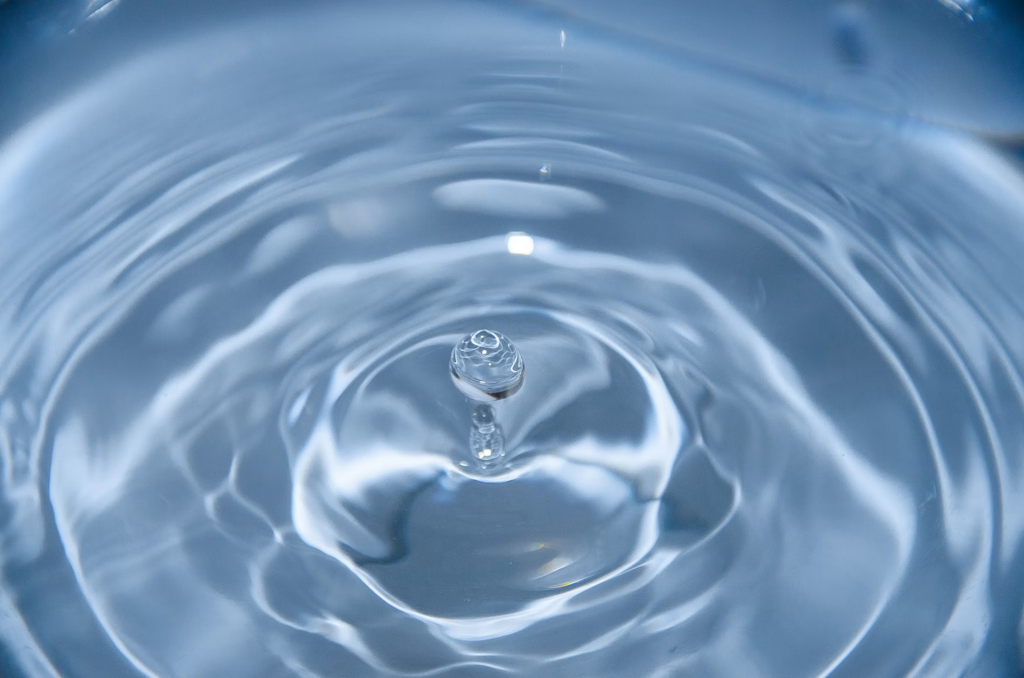
Structured water has emerged from relative obscurity to become a topic of genuine interest among wellness-focused consumers. Unlike typical tap water, structured water refers to H₂O molecules arranged in a specific geometric pattern—one that proponents believe mirrors the molecular organization found in natural springs and glacial streams. While the science remains debated, a growing number of people are exploring whether structured water devices might offer tangible health benefits, particularly when it comes to immune support and cellular hydration.
This article examines the concept of structured water, how structuring devices work, and what the available research suggests about their potential role in supporting immunity. We’ll also explore the practical considerations of choosing a device, from whole-house systems to portable options, and discuss the environmental implications of reducing reliance on bottled water.
Understanding Structured Water
Structured water is defined by its molecular arrangement. In this state, water molecules are thought to form organized clusters rather than the random configurations typical of tap or bottled water. This structure is believed to occur naturally when water flows over rocks, through vortexes, or in other dynamic environments found in pristine ecosystems.
The hypothesis is that this molecular organization makes water more bioavailable—meaning the body can absorb and utilize it more efficiently at the cellular level. Some researchers have investigated whether structured water influences biological processes. A study published in the journal Animals found that structured water appeared to have measurable effects on animal health markers, including indicators related to immune function and metabolic efficiency. While human studies remain limited, these findings have sparked interest in whether similar benefits might translate to people.
Key characteristics of structured water include:
- Molecular Organization: Water molecules form hexagonal clusters, similar to those found in natural spring water.
- Enhanced Hydration: Advocates suggest that structured water penetrates cells more effectively, improving overall hydration.
- Potential Immune Support: Some evidence points to improved nutrient absorption and cellular function, which may indirectly support immune health.
Understanding these properties is essential for evaluating whether a structured water device might be a worthwhile addition to your wellness routine.
How Water Structuring Devices Work
Water structuring devices aim to replicate the natural processes that occur when water moves through the environment. Most devices use one or more of the following mechanisms:
- Vortex Technology: By spinning water through specially designed chambers, these devices create turbulence that reorganizes molecular clusters. The vortex motion is thought to mimic the natural flow of water over rocks and through streams.
- Mineral Infusion: Some devices incorporate quartz, tourmaline, or other minerals believed to influence water’s energetic properties and molecular structure.
- Magnetic or Electromagnetic Fields: Certain models use magnets or low-frequency electromagnetic fields to alter the hydrogen bonding patterns in water.
- Advanced Materials: Research into materials like iron-based metal-organic frameworks has shown that specific compounds can influence water structure at the molecular level, as detailed in a study on iron-based frameworks published in Cement and Concrete Research.
While the underlying science is complex and not universally accepted, the devices themselves are relatively straightforward to use. Most require minimal maintenance and can be integrated into existing plumbing systems or used as standalone units.
Types of Structured Water Devices
Structured water devices come in several formats, each suited to different needs and lifestyles:
- Whole-House Systems: Installed at the main water line, these units treat all water entering the home. They’re ideal for households looking to improve water quality for drinking, cooking, bathing, and irrigation.
- Under-Sink and Countertop Filters: These compact units attach to kitchen faucets or sit on countertops, providing structured water for drinking and food preparation without requiring extensive installation.
- Portable Devices: Designed for travel or personal use, portable structured water devices allow users to structure water on the go. These are particularly popular among athletes and frequent travelers.
- Pitcher-Style Filters: Similar to conventional water pitchers, these models structure water as it passes through a filter, offering an affordable entry point for those new to the concept.
Each system type comes with its own strengths: whole-house units deliver comprehensive filtration but typically require professional installation, while portable and pitcher-style options offer greater flexibility and lower upfront costs, making them easier to trial. For those exploring structured water solutions, Natural Action Technologies provides a variety of devices tailored to different household and personal applications. Comparable companies such as Kangen Water (Enagic) and Tyent also operate in this space, offering systems focused on water modification and enhancement technologies.
Potential Health Benefits
While definitive clinical evidence remains limited, proponents of structured water cite several potential health benefits:
- Improved Cellular Hydration: The organized molecular structure may allow water to pass more easily through cell membranes, enhancing hydration at the cellular level.
- Enhanced Nutrient Absorption: Better hydration could improve the body’s ability to absorb vitamins, minerals, and other nutrients from food and supplements.
- Immune System Support: Adequate hydration and nutrient absorption are foundational to immune function. Some users report feeling more energized and resilient after switching to structured water.
- Detoxification: Improved cellular hydration may support the body’s natural detoxification processes, helping to flush out metabolic waste more efficiently.
It’s important to note that these benefits are largely anecdotal or based on preliminary research. The Harvard Medical School emphasizes that proper hydration—regardless of water structure—is critical for immune health, cognitive function, and overall well-being. Structured water should be viewed as a complement to, not a replacement for, established health practices.
Environmental Considerations
Beyond personal health, structured water devices offer environmental advantages that align with broader sustainability goals:
- Reduction in Plastic Waste: By providing high-quality water directly from the tap, these devices can significantly reduce reliance on single-use plastic bottles.
- Energy Efficiency: Many structured water devices operate without electricity, relying instead on passive mechanisms like vortexing or mineral infusion. This makes them more energy-efficient than reverse osmosis or distillation systems.
- Durability and Longevity: High-quality devices are built to last for years with minimal maintenance, reducing the need for frequent replacements and the associated environmental impact.
For environmentally conscious consumers, structured water devices represent a way to improve water quality while minimizing ecological footprint.
Making an Informed Decision
Structured water devices represent an intriguing intersection of traditional wellness practices and modern technology. While the scientific community continues to investigate the mechanisms and benefits of structured water, many users report subjective improvements in hydration, energy, and overall well-being.
If you’re considering integrating structured water into your routine, start by identifying your primary goals—whether that’s enhanced hydration, immune support, or environmental sustainability. From there, explore the range of devices available and choose one that aligns with your lifestyle and budget.
For additional insights into wellness and preventive health, Your Health Magazine offers a wealth of expert-backed resources to help you make informed decisions about your health journey.
Other Articles You May Find of Interest...
- What Actually Happens in a Yagé Ceremony
- Understanding Pressure and Safety in Hyperbaric Therapy
- How to Support Your Immune System Naturally in Everyday Life
- Chinese Medicine and Western Medicine: Different Questions
- Cellular Healing Solutions
- Acupuncture and Cupping For Cancer Side Effects
- Hot-Cold Contrast Therapy at Home: A Beginner’s Guide





