






More Dental Health Articles
Veneers Cost Affordable Guide to Cosmetic Dentistry
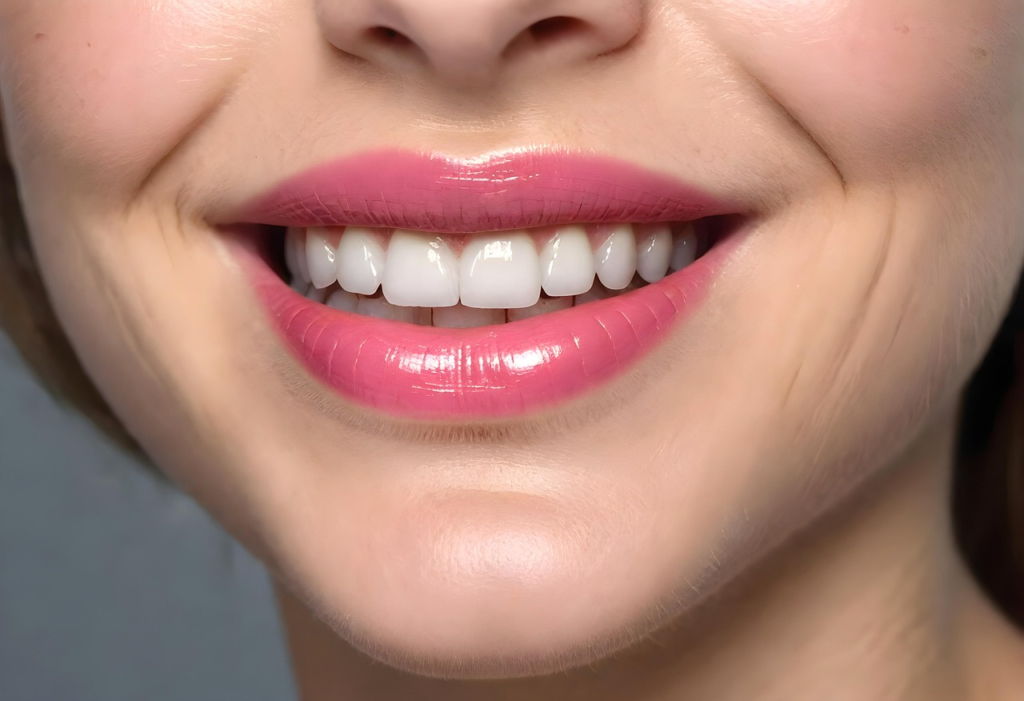
The American Dental Association reports that cosmetic dentistry procedures have increased by over 40% since 2020, with veneers leading the surge in popularity. As dental technology advances and manufacturing costs decline, what once required a significant financial investment has become increasingly accessible to middle-class families. This shift reflects broader changes in how Americans approach oral health — moving from reactive treatment to proactive enhancement.
For many people considering smile improvements, the question isn’t whether veneers work, but whether they’re financially realistic. Traditional porcelain veneers can cost $1,000-$2,500 per tooth, putting a full smile makeover out of reach for most budgets. However, the emergence of composite resin options, streamlined procedures, and competitive pricing has created new pathways to affordable cosmetic results. Understanding these options — and the true long-term costs — determines whether veneers represent a smart investment or an expensive mistake that stretches beyond your means.
What Factors Shape the Cost of Affordable Veneers?
The price of affordable veneers depends on a constellation of factors that interact in ways most patients don’t anticipate. Material choice drives the biggest cost differential — composite resin veneers typically range from $250-$800 per tooth, while porcelain starts around $800 and climbs toward $2,500. This price gap reflects manufacturing complexity rather than just material quality, since both options can deliver excellent aesthetic results when properly applied.
Geographic location creates substantial variation in pricing that goes beyond simple cost-of-living differences. A composite veneer costing $400 in Phoenix might run $700 in Manhattan — not just because rent is higher, but because dental labs, regulatory requirements, and competition levels differ dramatically between markets. Rural areas often feature lower base prices but fewer experienced cosmetic dentists, potentially affecting long-term results.
The number of teeth being treated influences per-tooth pricing through volume economics. Most dental practices offer graduated discounts for multiple veneers, with the steepest reductions occurring between four and eight teeth. A single veneer might cost $600, while six veneers could average $450 each. However, this creates a psychological trap — patients sometimes treat more teeth than necessary to capture volume savings, inflating their total expense.
Dentist experience level impacts both initial costs and long-term value in complex ways. Board-certified cosmetic dentists often charge 20-40% more than general practitioners, but their precision can extend veneer lifespan by years. Consider someone whose $400 composite veneers from an inexperienced provider need replacement after three years, versus $550 veneers from a specialist lasting eight years — the premium option actually costs less annually while delivering better aesthetics.
Which Types of Affordable Veneers Are Available?
The affordable veneer market centers around two primary materials, each offering distinct advantages that align with different budget priorities and aesthetic goals. Composite resin veneers dominate the affordable segment because they can be sculpted and placed in a single appointment, eliminating laboratory fees and multiple visits. Porcelain veneers, while traditionally expensive, have become more accessible through technological improvements in manufacturing and design processes.
Both material categories have evolved significantly beyond their early limitations. Modern composite formulations resist staining far better than versions from even five years ago, while advances in porcelain fabrication have reduced breakage rates and improved color matching. Understanding these improvements helps explain why affordable veneers now deliver results that closely approximate premium options from the previous decade.
The choice between materials often comes down to timeline and maintenance preferences rather than pure budget constraints. Composite veneers offer immediate results and lower upfront costs, making them ideal for patients who need quick smile improvements for events or professional reasons. Porcelain options require more time and higher initial investment but typically need less frequent maintenance over their lifespan.
How Do Composite Resin Veneers Compare in Price and Quality?
Composite resin veneers typically cost $250-$800 per tooth, positioning them as the most accessible entry point into cosmetic dentistry. This pricing reflects the direct-application process — your dentist sculpts the resin material onto your teeth during a single visit, eliminating laboratory fees and temporary veneer costs. The immediate results make composite veneers particularly attractive for patients who need fast improvements or want to test cosmetic changes before committing to permanent alterations.
Quality-wise, modern composite materials achieve excellent aesthetic results when properly applied. Advanced formulations resist staining from coffee and wine significantly better than earlier versions, while improved bonding agents ensure secure attachment to tooth enamel. However, composite veneers require more maintenance than porcelain — they may need polishing every 6-12 months to maintain their luster and might require minor repairs or touch-ups after 3-5 years of normal use.
The durability factor makes composite veneers ideal for younger patients or those wanting temporary smile improvements. A college student preparing for job interviews might choose composite veneers knowing they can upgrade to porcelain after establishing their career. This staged approach lets patients experience cosmetic improvements immediately while building toward more permanent solutions over time.
How Do Porcelain Veneers Differ from Composite Options?
Porcelain veneers in the affordable range typically cost $800-$1,200 per tooth, representing a middle ground between premium porcelain and composite options. These high quality porcelain veneers achieve superior stain resistance and longevity compared to composite materials, often lasting 10-15 years with proper care versus 5-7 years for composite alternatives.
The manufacturing process drives both the higher cost and improved durability. Porcelain veneers are crafted in dental laboratories using precise molds of your teeth, allowing for better fit and more natural translucency. This laboratory step adds 1-2 weeks to the treatment timeline and increases costs, but produces veneers that more closely mimic natural tooth enamel’s light-reflecting properties.
Maintenance requirements favor porcelain for patients seeking long-term value. While the initial investment is higher, porcelain veneers resist chipping and staining better than composite materials, reducing the frequency of repairs and replacements. For someone planning to keep their veneers for a decade, the annual cost often works out similarly between materials despite the higher upfront porcelain price.
How Does the Procedure Impact Veneers’ Affordability?
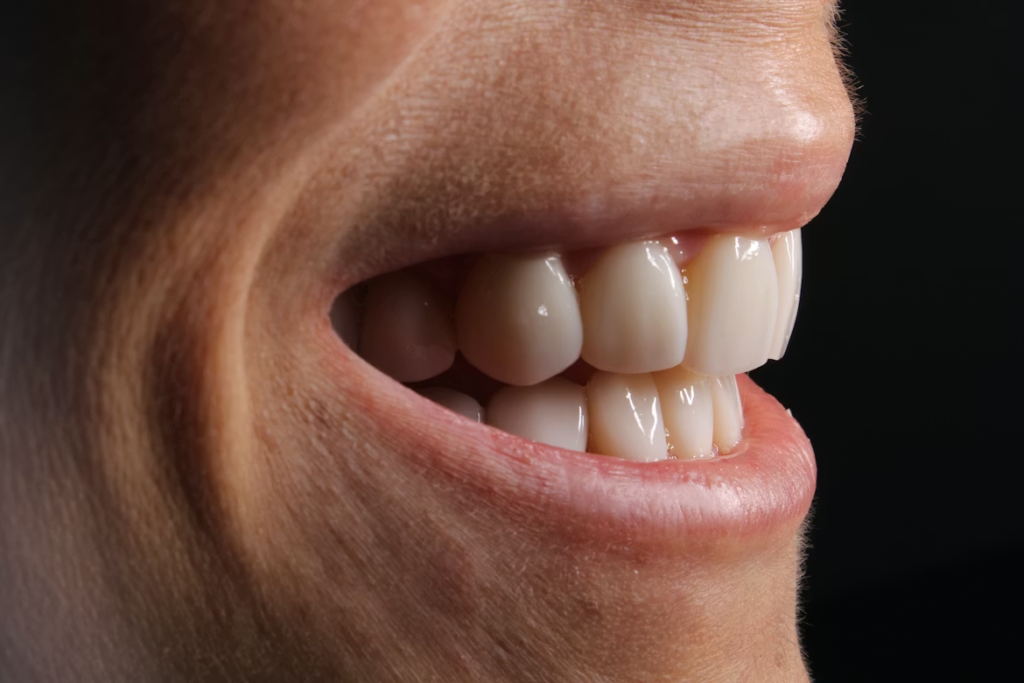
The veneer placement process significantly influences both immediate costs and long-term expenses in ways that aren’t immediately obvious from initial price quotes. Tooth preparation requirements vary dramatically based on your existing tooth condition and desired final appearance. Minimal prep veneers cost less upfront because they require less time and materials, while extensive preparation adds chair time and potentially temporary veneer costs.
Treatment complexity escalates when addressing alignment issues, severe discoloration, or damaged teeth. A patient with straight, healthy teeth might complete their veneer treatment in two appointments, while someone with crowding or deep stains could require additional procedures like whitening, minor orthodontics, or gum contouring. These preparatory steps can double the total treatment cost, transforming an affordable veneer procedure into a comprehensive smile makeover.
The number of appointments affects costs through scheduling efficiency and overhead allocation. Single-visit composite applications minimize administrative costs, while multi-visit porcelain treatments spread overhead across several appointments. Some practices offer package pricing that reduces per-appointment fees for extensive treatments, making larger cases more affordable than the per-tooth price would suggest.
Revision requirements during treatment can unexpectedly inflate costs. If initial color matching proves inadequate or the patient requests modifications after seeing preliminary results, additional laboratory fees or chair time may apply. Understanding these potential adjustments upfront helps patients budget realistically and avoid mid-treatment financial surprises.
What Are the Steps in Getting Affordable Veneers?
The affordable veneer process typically begins with a comprehensive consultation where your dentist evaluates tooth condition, discusses aesthetic goals, and determines the most cost-effective approach. Initial preparation involves tooth cleaning and minor reshaping — usually removing 0.5-1.5mm of enamel to accommodate the veneer thickness without creating a bulky appearance.
For composite veneers, the application phase happens immediately after preparation. Your dentist applies etching solution to create bonding surfaces, then builds up the composite material in layers, sculpting and shaping each layer before curing it with specialized light. This direct approach typically takes 1-2 hours per tooth and produces immediate results you can evaluate before leaving the office.
Porcelain veneer placement requires impression taking after tooth preparation, followed by temporary veneer placement while the laboratory crafts your permanent veneers. The final appointment involves removing temporaries, testing the fit and appearance of permanent veneers, and bonding them permanently to your teeth. This multi-step process extends the timeline but often produces more predictable long-term results.
What Are the Long-Term Costs of Maintaining Affordable Veneers?
Understanding the total cost of veneer ownership requires looking beyond initial placement fees to ongoing maintenance, repairs, and eventual replacement. Composite veneers typically need professional polishing every 6-12 months to maintain their appearance, costing $50-$150 per visit. Minor chips or edge wear can often be repaired in-office for $100-$300, but more extensive damage may require complete replacement.
Porcelain veneers demand less frequent maintenance but incur higher costs when problems arise. Professional cleaning and evaluation twice yearly usually suffices for routine care, but a cracked or debonded porcelain veneer typically requires complete replacement rather than repair. This replacement process costs nearly as much as the original veneer, making damage prevention through proper care habits essential.
The lifespan expectation significantly impacts annual ownership costs. Composite veneers lasting five years at $500 each cost $100 annually, while porcelain veneers lasting twelve years at $1,000 each cost $83 annually. However, these calculations assume no major repairs — a single significant restoration can alter the economics substantially.
Insurance considerations rarely favor veneer coverage since most policies classify them as elective cosmetic procedures. However, if veneers address functional issues like tooth protection after injury, partial coverage might apply. Dental savings plans sometimes offer discounts on cosmetic procedures, potentially reducing both initial and maintenance costs by 10-20%.
Progressive wear patterns affect different veneer types distinctly. Composite materials may show subtle color changes or surface roughening over time, while porcelain typically maintains its appearance until sudden failure occurs. Understanding these aging patterns helps patients plan for maintenance timing and budget accordingly for touch-ups or replacements.
Which Alternatives and Strategies Help Save on Veneers?
Several alternatives to traditional veneers offer similar aesthetic improvements at lower costs, though with different trade-offs in durability and appearance. Dental bonding represents the most affordable option, typically costing $150-$400 per tooth. While bonding doesn’t last as long as veneers and requires more frequent touch-ups, it provides immediate improvement for patients with limited budgets or minor cosmetic concerns.
Snap-on veneers or removable veneer systems cost $500-$1,500 for a full set, making them attractive for temporary improvements or special events. However, these devices don’t address underlying tooth health issues and may feel bulky compared to professionally placed veneers. They work best for patients wanting to preview potential results before committing to permanent treatment.
Financing strategies can make quality veneers more accessible without compromising on materials or provider expertise. Many dental practices offer interest-free payment plans for 6-18 months, allowing patients to spread costs over manageable monthly payments. Third-party dental financing companies often provide longer-term options with competitive rates for qualified borrowers.
Geographic arbitrage offers substantial savings for patients willing to travel. Dental tourism to countries with lower labor costs can reduce veneer prices by 50-70%, though patients must factor in travel expenses and the difficulty of addressing complications from a distance. Even domestic travel to lower-cost regions can produce significant savings while maintaining access to follow-up care.
The key to maximizing veneer value lies in matching the solution to your specific needs and timeline. Rather than automatically choosing the cheapest option, consider how long you plan to keep the veneers, your lifestyle factors, and your tolerance for maintenance requirements. Sometimes paying slightly more upfront delivers substantially better long-term value, while other situations favor the most affordable approach that provides adequate results for your timeframe.
Other Articles You May Find of Interest...
- Can Gum Disease Cause Bad Breath?
- Botox at the Dentist? A Northern Virginia Patient FAQ About Uses, Safety, and What to Expect
- Why Your Teeth May Look Healthy but Still Need Dental Attention
- What Goes Into Developing an Alcohol-Free Mouthwash Beyond the Ingredient List
- 6 Best Dentist Options in Reston, Virginia for Family, Cosmetic, and Emergency Care
- Why Comprehensive Dental Care Matters at Every Stage of Life
- Why Preventive Dental Care Matters at Every Stage of Life





