






More Dental Health Articles
What To Do During A Child’s Dental Emergency
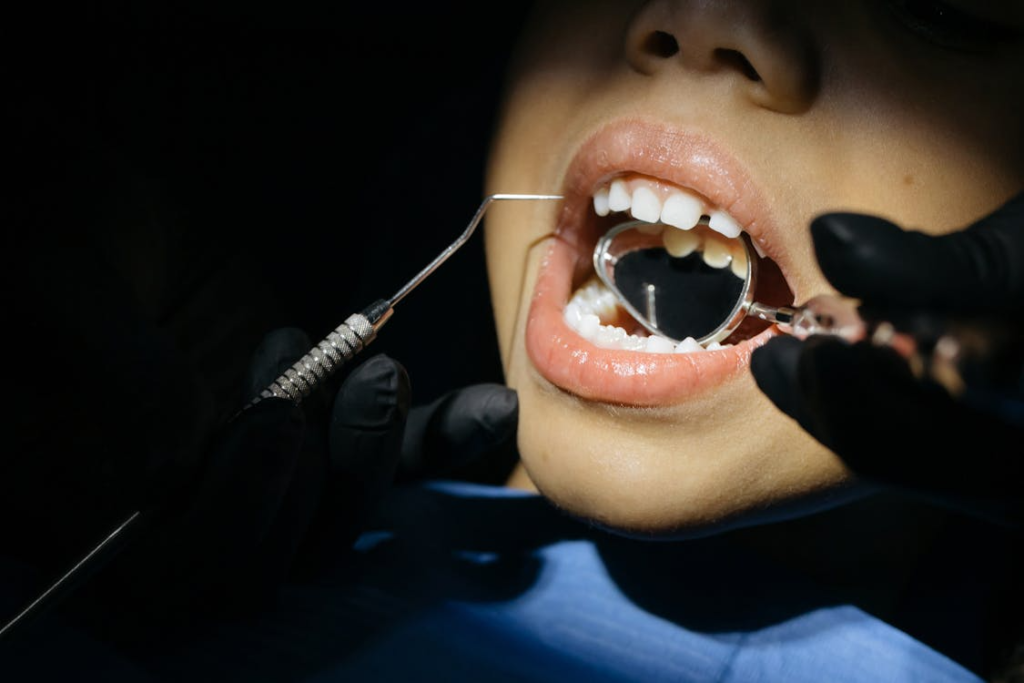
When a child’s tooth gets knocked out during a playground accident, parents have roughly 30 minutes to dramatically improve the chances of successful reimplantation — yet according to the American Academy of Pediatric Dentistry’s 2024 guidelines, most families lose critical time because they don’t recognize the urgency or know the proper steps to take. As emergency departments nationwide report increasing numbers of pediatric dental trauma cases, particularly during after-school and weekend hours when regular dental offices are closed, the gap between knowing what constitutes a true emergency and understanding how to respond effectively continues to widen.
For parents, these moments of crisis often happen without warning — a fall from a bike, a collision during sports, or even something as simple as biting down on a hard candy. The decisions made in those first few minutes can determine whether a child keeps their natural tooth, needs extensive treatment, or faces complications that affect their oral development for years to come. Understanding how to recognize when professional intervention is needed, what immediate steps can help, and how pediatric emergency care differs from standard dental treatment transforms a panicked reaction into informed action.
How To Recognize Pediatric Dental Emergencies Early
Children communicate dental pain differently than adults, often through behavioral changes rather than direct complaints. A toddler who suddenly refuses favorite foods, becomes irritable during meals, or starts favoring one side while chewing may be experiencing significant tooth pain even if they can’t articulate what’s wrong. School-age children might complain of headaches, have difficulty concentrating, or exhibit changes in sleep patterns — all potential indicators that dental issues require immediate attention.
Visual signs provide the most reliable indicators for parents. Swelling around the face, jaw, or gums signals potential infection that can spread rapidly in children. Any visible damage to teeth — chips, cracks, or teeth that appear longer or shorter than normal — warrants immediate evaluation. Dark discoloration of a tooth, particularly after an injury, often indicates nerve damage that requires prompt treatment to prevent complications.
The timing and nature of pain also distinguish true emergencies from issues that can wait for regular office hours. Severe, persistent pain that interferes with eating, sleeping, or normal activities demands immediate care. Pain accompanied by fever suggests infection that could become dangerous without treatment. Bleeding from the mouth that doesn’t stop within 15-20 minutes of direct pressure, or any injury involving the jaw or face, requires emergency evaluation.
Understanding what children might not tell you proves equally important. Many kids minimize their discomfort to avoid dental visits, while others lack the vocabulary to describe complex sensations. A child who suddenly becomes protective of their mouth, avoids cold drinks they previously enjoyed, or seems unusually clingy might be experiencing dental pain they can’t express clearly.
Common Pediatric Dental Emergencies And Immediate First Aid
Handling Knocked Out Teeth And Tooth Injuries
When a permanent tooth gets completely knocked out, time becomes the critical factor in determining whether the tooth can be saved. Handle the tooth only by the crown — never touch the root surface, which contains cells necessary for successful reimplantation. If the tooth appears clean, attempt to reinsert it immediately into the socket and have the child bite down gently on a clean cloth to hold it in place.
If reimplantation isn’t possible or the tooth is dirty, preserve it in cold milk, saline solution, or the child’s own saliva. Avoid water, which can damage the root surface cells. For baby teeth that are knocked out, don’t attempt reimplantation as this could damage the developing permanent tooth underneath.
Chipped or fractured permanent teeth require different handling depending on the severity. Save any tooth fragments in milk or saliva and bring them to the emergency appointment. For sharp edges that might cut the tongue or cheek, cover them with sugar-free gum or dental wax if available. Control any bleeding with gentle pressure using a clean cloth, and apply a cold compress to reduce swelling.
Managing Soft Tissue Injuries Like Bitten Lips Or Tongue
Soft tissue injuries in the mouth often appear more severe than they actually are due to the rich blood supply in oral tissues. For cuts to the lips, tongue, or inside of the cheeks, start by cleaning the area gently with water to assess the actual extent of the injury. Apply direct pressure with a clean cloth or gauze to control bleeding — most minor cuts will stop bleeding within 10-15 minutes.
Cold compresses applied to the outside of the face help reduce swelling and numb pain. Ice wrapped in a thin cloth works better than applying ice directly to the skin. For tongue injuries specifically, have the child suck on ice chips or popsicles to reduce swelling and provide some pain relief while you arrange for professional evaluation.
Determine whether emergency care is needed based on the size and depth of the cut. Lacerations longer than half an inch, cuts that gape open, or any injury that continues bleeding heavily after 20 minutes of pressure require immediate professional attention. Deep puncture wounds from teeth going through the lip or tongue also need emergency evaluation to prevent infection and ensure proper healing.
Why Immediate Pediatric Emergency Dental Care Matters
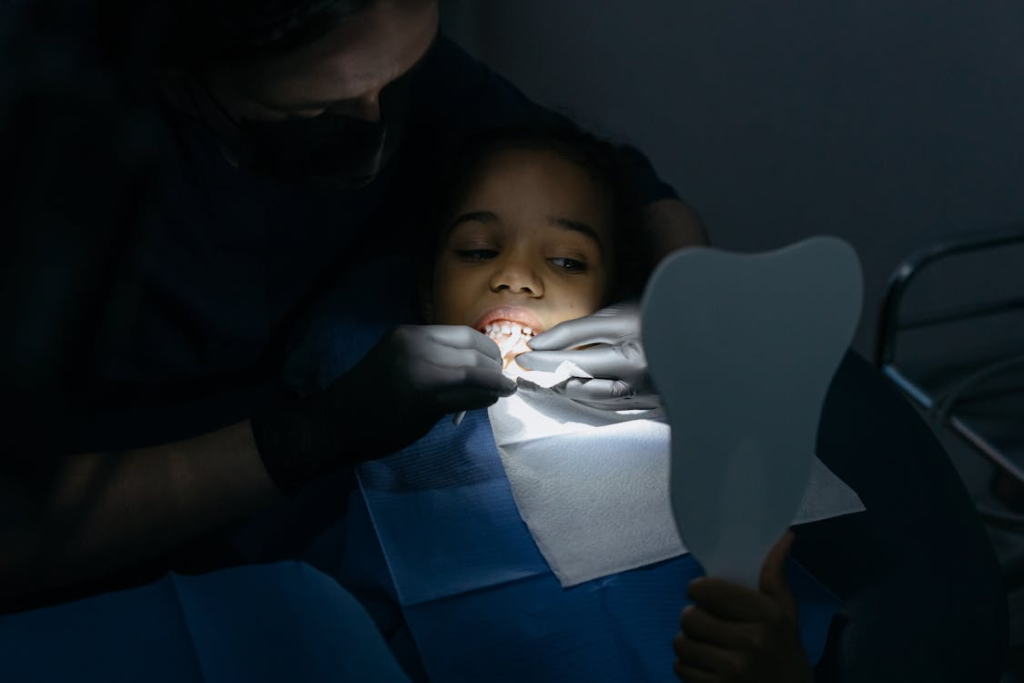
The biological reality of children’s developing teeth creates narrow windows for successful emergency treatment that don’t exist in adult dentistry. A knocked-out permanent tooth has the highest chance of successful reimplantation when treatment occurs within 30 minutes, with success rates dropping significantly after the first hour. The ligament fibers that attach the tooth to the bone begin dying rapidly once exposed to air, making time more critical than perfect technique.
Children’s teeth also have larger nerve chambers and thinner enamel than adult teeth, meaning infections and decay can progress much faster. What starts as a small chip or crack can expose the nerve within hours in a child’s tooth, leading to severe pain and potential abscess formation. The proximity of developing permanent teeth beneath baby teeth means that infections from damaged primary teeth can affect the formation and positioning of the adult teeth waiting to emerge.
Pediatric emergency dentists bring specialized training in managing dental trauma in developing mouths. They understand how injuries affect not just the immediate tooth but the long-term development of the entire dental arch. Their techniques for pain management, infection control, and restoration work take into account the ongoing changes in a child’s mouth that general dentists might not fully appreciate.
The psychological impact of delayed treatment also compounds in children. A traumatic dental experience that involves extended pain or multiple treatment visits can create lasting dental anxiety that affects oral health for years. When families can access appropriate urgent dental care for kids in Sunnyvale immediately after an injury, both the physical outcomes and the child’s emotional relationship with dental care improve significantly.
How Pediatric Emergency Dentists Manage Dental Trauma
Child-Centered Treatment And Anxiety Relief Techniques
Pediatric emergency dentists use fundamentally different approaches than those typically employed in adult emergency care. The treatment environment itself is designed to reduce anxiety — bright colors, child-friendly equipment, and staff trained in communicating with frightened children at their developmental level. These specialists understand that a calm child allows for better examination and more effective treatment.
Sedation options for children require specialized knowledge and equipment. Nitrous oxide (laughing gas) provides effective anxiety relief while allowing children to remain conscious and cooperative. For more complex procedures or extremely anxious children, oral sedation or IV sedation might be necessary, but pediatric dentists have specific training in monitoring children’s responses to these medications and managing any complications that might arise.
Communication techniques make a significant difference in treatment success. Pediatric emergency dentists use age-appropriate explanations, often employing storytelling or games to distract children during procedures. They’re skilled at reading a child’s non-verbal cues and adjusting their approach accordingly — recognizing when to proceed, when to pause for comfort breaks, and when to modify treatment plans based on the child’s emotional state.
Standard Trauma Treatment Protocols For Kids
Treatment protocols for pediatric dental trauma account for the ongoing development of children’s teeth and jaws. For permanent teeth with nerve exposure, pulp therapy techniques preserve as much healthy nerve tissue as possible, allowing the tooth root to continue developing normally. This differs significantly from adult root canal therapy, which removes all nerve tissue because adult tooth roots are fully formed.
Restoration materials and techniques also differ for children. Pediatric dentists select materials that can withstand the forces of a developing bite while being replaced or modified as the child grows. They consider how treatments will affect the eruption of nearby teeth and the overall development of the dental arch.
Follow-up care protocols for children typically involve more frequent monitoring than adult cases. A tooth that appears successfully treated initially may develop complications weeks or months later as the child’s mouth continues to change. Regular follow-up appointments allow for early detection of problems and adjustment of treatment plans before complications become severe.
Preventing And Preparing For Pediatric Dental Emergencies
Most pediatric dental emergencies stem from preventable causes, making education and preparation the most effective strategies for families. Sports-related injuries account for a significant portion of dental trauma in children, yet custom-fitted mouthguards can prevent most of these injuries. While over-the-counter mouthguards provide some protection, properly fitted guards from a pediatric dentist offer superior protection and comfort.
Creating safe environments at home reduces injury risk substantially. Securing furniture with sharp edges, using safety gates to prevent falls, and establishing rules about running indoors with objects in the mouth prevent many common accidents. Teaching children about safe playground behavior and supervising activities that pose higher injury risks also proves valuable.
Preparing for emergencies before they happen reduces panic and improves outcomes when injuries do occur. Keep a dental emergency kit with clean gauze, a small container with a lid, over-the-counter children’s pain medication, and the contact information for your pediatric dentist and nearest emergency dental facility. Know the location of after-hours dental services in your area and have a plan for quick transportation.
Regular dental checkups serve as both prevention and preparation. Pediatric dentists can identify teeth that might be at higher risk for injury due to their position or previous damage, allowing for preventive treatment. They also establish baseline records that prove invaluable if emergency treatment becomes necessary, and families develop relationships with dental professionals who understand their child’s specific needs and medical history.
The investment in prevention — whether through protective equipment, environmental modifications, or regular dental care — consistently proves more cost-effective and less traumatic than emergency treatment after injuries occur. For families who establish these habits early, dental emergencies often become minor inconveniences rather than major crises that affect their child’s long-term oral health and comfort with dental care.
Other Articles You May Find of Interest...
- Can Gum Disease Cause Bad Breath?
- Botox at the Dentist? A Northern Virginia Patient FAQ About Uses, Safety, and What to Expect
- Why Your Teeth May Look Healthy but Still Need Dental Attention
- What Goes Into Developing an Alcohol-Free Mouthwash Beyond the Ingredient List
- 6 Best Dentist Options in Reston, Virginia for Family, Cosmetic, and Emergency Care
- Why Comprehensive Dental Care Matters at Every Stage of Life
- Why Preventive Dental Care Matters at Every Stage of Life





