






More Vascular Health Articles
Decoding Right Ventricular Hypertrophy: What Your ECG Can Reveal
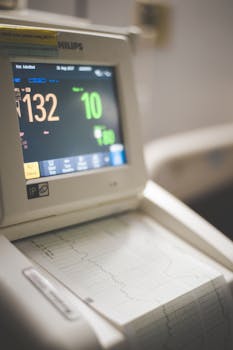
Imagine you’re running on the treadmill during your regular cardio workout when suddenly you feel a strange palpitating sensation in your chest. You brush it off, attributing it to fatigue, but the sensation lingers. When you visit your doctor, they suggest doing an ECG. This brings up a common question: what can an electrocardiogram reveal, especially when it comes to heart abnormalities like right ventricular hypertrophy (RVH)? Understanding the results of your ECG is important for maintaining heart health and addressing potential issues like RVH.
How the Right Ventricular Hypertrophy ECG Differs
An ECG, or electrocardiogram, is often used to identify various heart conditions, including right ventricular hypertrophy. RVH is a condition where the muscle in the right ventricle of the heart becomes thickened. This can alter the normal electrical activity, which may be visible as an abnormal pattern on the ECG strip.
Specifically, an ECG may show changes such as a taller R wave in lead V1 or a shift in the electrical axis. These subtle signs might not mean much to the untrained eye, but a cardiologist can interpret them, diagnosing conditions like RVH which can be influenced by factors such as pulmonary hypertension.
Related Heart Changes on ECG and What They Mean
ECG changes in RVH are just one piece of the puzzle. The test can also suggest other changes in heart structure or function, such as atrial enlargement or bundle branch block. These conditions may co-exist with RVH and can sometimes be managed collectively.
Understanding lifestyle influences on cardiovascular health is crucial. For more about maintaining heart health through lifestyle, consider reading how lifestyle choices impact overall health.
Day-to-Day Implications of Right Ventricular Hypertrophy
Living with RVH can influence everyday activities. Symptoms can range from shortness of breath during mild exertion to significant fatigue or palpitations. These can impact your ability to perform daily tasks or enjoy activities that require physical exertion.
It’s important to monitor and manage symptoms to lead a full, active life. Working closely with healthcare professionals can ensure adjustments to lifestyle or medications are made as necessary.
When to Seek Care
If you feel persistent chest discomfort, unexplained fatigue, or notice changes in your exercise tolerance, it’s time to consult a healthcare provider. Start with a primary care physician who may refer you to a cardiologist if specific heart-related issues like RVH are suspected.
It’s important to address these symptoms early, as timely diagnosis and management can prevent complications. Clinicians can offer tailored advice about risk mitigation and treatment strategies.
Managing Medications and Daily Health Concerns
For those diagnosed with RVH, medications might be part of the treatment plan. Common medications include those that manage blood pressure or relieve asthma-like symptoms often associated with pulmonary issues affecting the heart.
It’s crucial to follow your doctor’s advice on medication use, including whether you need to stop one medication before starting another. Always report any side effects to your doctor, as they can adjust your treatment plan accordingly.
Understanding your medications and maintaining open communication with healthcare providers can alleviate much of the stress associated with managing RVH.
External Resources for Heart Health
For a comprehensive overview of heart conditions like right ventricular hypertrophy, consider visiting reliable sources such as the Mayo Clinic’s website for valuable information.
- ECGs can reveal conditions like right ventricular hypertrophy (RVH).
- Symptoms of RVH may include shortness of breath and fatigue.
- Consult a healthcare provider for persistent symptoms or concerns.
- Medications can be part of managing RVH, but always under medical supervision.
- Resourceful external links can expand your knowledge about heart health.
Common Questions
When should I see a doctor for chest discomfort?
If you experience persistent chest discomfort, it’s wise to see a doctor. They can evaluate whether an ECG is necessary and guide you on next steps.
What type of healthcare provider diagnoses RVH?
A cardiologist typically diagnoses right ventricular hypertrophy via an ECG and additional tests. They can provide specialized care suited to your condition’s severity.
Can lifestyle changes impact RVH?
Yes, leading a heart-healthy lifestyle, including regular exercise, a balanced diet, and avoiding smoking, may help manage symptoms of RVH. Always discuss any lifestyle changes with your healthcare provider.
What should I do if I experience medication side effects?
If you notice any adverse effects from your medication, contact your doctor. They may adjust your dosage or prescribe a different treatment.
Are there long-term health risks associated with RVH?
Untreated RVH can lead to more serious conditions like heart failure, so regular monitoring and treatment are crucial. Your doctor can help tailor a management plan that minimizes risks.
In summary, the right ventricular hypertrophy ECG provides crucial insights into the electrical activity of your heart, helping to identify conditions that might be influencing its function.
Other Articles You May Find of Interest...
- Livedo Racemosa vs. Livedo Reticularis: How the Patterns Differ
- Black or Purple Skin Discoloration: Bruise, Blood Flow, or Emergency?
- Should You Exercise With a DVT? Movement and Safety
- Blood Clots in Pictures: What to Look For
- Venous Reflux: What It Is, Why It Happens, and What to Do About It
- Exploring the Anatomy and Functions of the Frontal Section of the Head
- Exploring the Fascinating Functions of Human Body Organs





