More Vascular Health Articles
Is Your Hip Health at Risk? Discover the Trendelenburg Test Insights
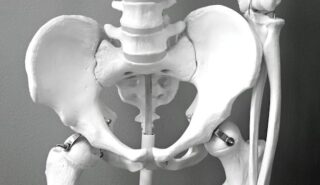
Imagine taking a step forward and noticing your hip gives way, causing an unstable gait. You might brush it off as a misstep, but if this occurs frequently, it might be an indicator of hip muscle weakness. The trendelenburg test is a useful tool that healthcare providers use to assess the strength of the hip abductors, particularly the gluteus medius muscle. Let’s delve into how this test can provide insights into your hip health.
Understanding the Trendelenburg Test
The trendelenburg test is a simple, non-invasive assessment used to evaluate the strength and stability of the hip muscles. During the test, a healthcare provider will ask you to stand on one leg. A positive test is indicated if the pelvis drops on the unsupported side, suggesting weakness in the hip abductor muscles on the standing leg. This may point to conditions like hip dysplasia, arthritis, or nerve injury.
Understanding Everyday Impacts
Hip muscle weakness doesn’t just affect athletes; it can interfere with daily activities such as walking, climbing stairs, or even standing. Those with weakened hip muscles may experience discomfort or a lack of confidence in movement, possibly leading to altered walking patterns that could exacerbate the issue over time.
Strengthening and Supporting Hip Health
While the trendelenburg test highlights existing issues, there are exercises and lifestyle changes that may support hip strength and mobility. Regular exercises such as hip bridges, side leg raises, and squats can help strengthen the muscles around the hip joint. Additionally, maintaining a healthy weight is crucial in reducing stress on the hips. For more information on how lifestyle choices affect overall health, see our health improvement article.
When to Seek Care
If you experience persistent hip pain, instability, or changes in your gait, it’s important to consult a healthcare provider. Typically, a physical therapist or an orthopedic specialist can assess your symptoms, perform diagnostic tests such as the trendelenburg test, and tailor a rehabilitation program to your needs. Don’t delay seeking care if activities like walking or standing become challenging.
Medication and Hip Health
For those experiencing chronic hip pain or inflammation, medications such as nonsteroidal anti-inflammatory drugs (NSAIDs) may be recommended. It’s important to discuss with your doctor any potential side effects and ensure that these medications are appropriate for you. In some cases, stronger medications or injections may be considered, under close medical supervision. Remember, medications can relieve symptoms, but they should complement an overall treatment plan that includes therapy and lifestyle modifications.
Takeaways
- The trendelenburg test evaluates hip abductor muscle strength.
- A positive test may indicate weakness, impacting daily activities.
- Exercises and lifestyle changes can support hip strength.
- Seek medical assessment if hip pain or instability persists.
- Medications can help, but they are part of a comprehensive care plan.
Common Questions
What Should I Do If I Suspect Hip Weakness?
Consult a healthcare provider if you experience symptoms such as hip pain, instability, or altered gait. Early evaluation can prevent further complications.
What Type of Specialist Should I See for Hip Issues?
Physical therapists and orthopedic specialists are best suited to evaluate and treat hip muscle weaknesses. They can conduct tests and create a rehabilitation plan.
How Can I Prevent Hip Weakness?
Incorporate strength training, maintain a healthy weight, and stay active to support hip health. Regular stretching and exercises focusing on the gluteus medius can be beneficial.
Do I Need to Stop Medications If Starting New Joint Support Supplements?
Always consult with your healthcare provider before changing medications or introducing new supplements. They can guide you on potential interactions and ensure safe usage.
Why Does My Hip Pain Worsen After Sitting for Long Periods?
Prolonged sitting can increase pressure on certain hip joints and muscles, leading to stiffness and pain. Regular breaks for stretching and movement can alleviate discomfort.
For further information on maintaining hip and overall health, visit the comprehensive resources available at this page.
Other Articles You May Find of Interest...
- Livedo Racemosa vs. Livedo Reticularis: How the Patterns Differ
- Black or Purple Skin Discoloration: Bruise, Blood Flow, or Emergency?
- Should You Exercise With a DVT? Movement and Safety
- Blood Clots in Pictures: What to Look For
- Venous Reflux: What It Is, Why It Happens, and What to Do About It
- Exploring the Anatomy and Functions of the Frontal Section of the Head
- Exploring the Fascinating Functions of Human Body Organs