More Pain Management & Rehabilitation Articles
What to Expect After a Posterior Hip Replacement Surgery
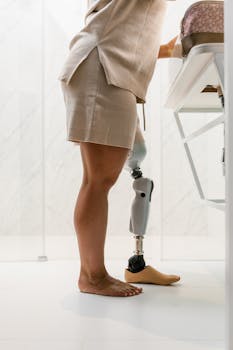
After undergoing a posterior hip replacement, many patients wonder what the recovery process entails. This surgical procedure, often recommended when conservative treatments no longer alleviate hip pain, aims to restore mobility and reduce discomfort. Understanding what to expect can help you navigate the post-operative journey with confidence.
Posterior Hip Replacement: Recovery and Expectations
The recovery journey after a posterior hip replacement varies for each individual, but some common elements can be anticipated. Initially, mobility will be limited, and you may require assistance with daily tasks. Physical therapy often plays a critical role in regaining strength and flexibility. Typically, patients begin walking with a walker or crutches soon after surgery. It’s important to follow your surgeon’s instructions closely to ensure a successful recovery.
Swelling and pain are usual during the first few weeks, and both can affect your day-to-day activities. Medications may be prescribed to manage discomfort, and it’s crucial to adhere to your dosing schedule.
Day-to-Day Life After Surgery
Everyday life post-surgery can be challenging but manageable with proper support. Simple tasks such as dressing, cooking, and even bathing may require modifications at first. Rearranging your home to avoid stairs and investing in tools like grabbers can ease this transition. It’s beneficial to have a strong support system, whether family members or friends, to assist with challenging activities.
While the healing process is essential, maintaining a healthy lifestyle post-surgery is equally important. Consider exploring how lifestyle choices impact your health and incorporate balanced nutrition and gentle exercises as recommended by your healthcare provider.
When to Seek Care
During your recovery from posterior hip replacement, certain symptoms should not be ignored. If you experience red flags such as severe pain unrelieved by medication, signs of infection (redness, warmth, or discharge at the surgical site), or any sudden changes in mobility, consult your surgeon promptly. Orthopedic surgeons and physical therapists specialize in post-operative care and are excellent resources for managing these concerns.
Medication and Pain Management After Surgery
Managing pain effectively is a top priority after hip replacement surgery. Your healthcare provider will typically prescribe a combination of medications, which may include nonsteroidal anti-inflammatory drugs (NSAIDs) and opioids initially. It’s crucial to discuss your pain management plan with your doctor to understand potential side effects and any interactions with other medications you may be taking.
Typically, as your recovery progresses, the need for strong pain medications decreases, and you may transition to over-the-counter options. Always consult your doctor before making any changes to your medication regimen to ensure safe and effective pain control.
Physical Therapy and Exercises
Physical therapy is a cornerstone of post-operative care for a posterior hip replacement. It not only aids in restoring range of motion but also strengthens the muscles surrounding your new joint. Your therapist will tailor exercises to your specific needs, gradually increasing intensity as your recovery permits. Regular follow-ups and adherence to the exercise regimen enhance recovery outcomes significantly.
Common Questions
When can I drive again?
Driving typically resumes approximately six weeks after surgery when you can comfortably operate the pedals and no longer require strong pain medications. Always get clearance from your doctor before returning to driving.
What activities should I avoid after surgery?
High-impact activities and sports that involve twisting or pivoting should be delayed until your surgeon provides clearance. Avoid bending more than 90 degrees or sitting in low chairs to protect your new joint. Consult with your healthcare provider for personalized advice.
How long will swelling last after surgery?
Swelling is common and can persist for several weeks after surgery. Elevating your leg, icing the area, and wearing compression stockings can help manage swelling. If swelling is accompanied by severe pain or redness, seek medical advice promptly.
Who can help me with recovery?
Orthopedic surgeons coordinate the surgical and immediate post-operative stages, while physical therapists guide rehabilitation exercises. Occupational therapists can provide strategies to help with daily activities, making the recovery process smoother.
What should I do if I suspect an infection?
Signs of infection include increased redness, warmth, and discharge at the surgical site or fever. Contact your healthcare provider immediately if you observe any of these symptoms.
- Posterior hip replacement surgery aids in restoring mobility and reducing pain.
- Physical therapy is crucial for a successful recovery.
- Proper pain management and adherence to medication instructions are essential.
- Contact your healthcare provider if you notice signs of infection or unusual pain.
- Recovery involves lifestyle changes and the support of healthcare professionals.
Each individual’s experience with posterior hip replacement is unique, and working closely with your healthcare team can significantly impact the success of your recovery. For further reading on general health information, visit Wikipedia’s health page.
Other Articles You May Find of Interest...
- Can Tendons Heal on Their Own? What Recovery Requires
- How Chronic Knee Pain Can Be Treated Without Joint Replacement
- What ‘Gnawing Pain’ Tells Your Doctor
- Why Does Pain Continue After an Injury? When to Consider Seeing a Pain Management Doctor
- Pain Under Your Shoulder Blade: Muscle or Referred?
- What a Fractured Kneecap Looks Like
- Osgood-Schlatter: The Knob Below Your Kneecap