






More Allergy, Asthma & Infectious Disease Articles
The Importance of Hep B Surface Antibody Testing for Your Health
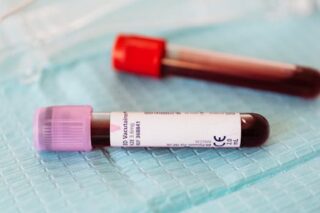
Imagine going for a routine check-up and leaving the doctor’s office with a recommendation for a hep b surface antibody test. For many, this might spark a flurry of questions about what it entails and why it’s necessary. This test, commonly known as the hepatitis B surface antibody test, plays a crucial role in determining your immunity to hepatitis B, whether from past infection or vaccination.
Understanding the Hep B Surface Antibody Test
The hep b surface antibody test is primarily used to detect the presence of antibodies in the blood. This indicates if you have immunity against the hepatitis B virus. These antibodies could be acquired naturally through recovery from an infection or through vaccination. Understanding your immunity status is key to protecting yourself and others from this contagious liver infection.
Why the Test Matters
Hepatitis B is a viral infection that can have both acute and chronic effects on your liver. Its impact can range from mild illness to chronic liver inflammation, cirrhosis, or even liver cancer. Knowing your hep b surface antibody status helps assess your risk and guides preventive measures. Moreover, if you’re planning to travel or you’re in a healthcare profession, confirming immunity is often crucial.
How the Test Affects Everyday Life
For many, the test’s outcomes can influence personal and professional aspects of life. For instance, healthcare workers need to confirm their immunity to protect themselves and patients. Similarly, individuals planning to work or live in areas with high hepatitis B prevalence need to be sure of their immune status.
When to Seek Care
It’s advisable to consult a healthcare provider under several circumstances. If you believe you’ve been exposed to hepatitis B or have symptoms indicative of liver problems, such as jaundice or fatigue, it would be wise to get tested. Additionally, certain professions and pre-travel requirements may necessitate testing. Primary care physicians or infectious disease specialists can provide valuable guidance on whether this test is necessary.
What the Test Involves
This test is a simple blood test usually conducted at a clinic or hospital. The process involves drawing a small amount of blood, which is then analyzed for the presence of the hepatitis B surface antibody. Results can typically help determine whether you have immunity, require vaccination, or if further medical evaluation is necessary.
Common Questions About Results
Results from the hep b surface antibody test can vary. A positive result often indicates immunity, suggesting either past vaccination or recovery from an infection. A negative result might require vaccination to ensure your protection against hepatitis B. It’s important to interpret these results with your healthcare provider to ensure you understand the next steps.
Practical Considerations and Medication
For individuals who need vaccination following a negative test result, knowing what to expect can be useful. Vaccination usually involves a series of shots. Some people may wonder about side effects, which are generally mild and transient, such as soreness at the injection site or low-grade fever. Always discuss with your doctor about any concerns before starting vaccination.
If you’re switching medications for hepatitis B treatment, it’s crucial to consult your healthcare provider. They will weigh factors such as your current health status and any known drug interactions. Transitioning from one medication to another should be carefully managed to avoid lapses in coverage or recurrence of symptoms.
Related Health Topics
For those interested in learning about other virus-related conditions and prevention strategies, consider exploring this article on innovative approaches to AIDS awareness to broaden your understanding of public health practices.
Takeaways
- The hep b surface antibody test checks for immunity to hepatitis B.
- This test can determine if vaccination is needed or if immunity is present.
- Test results can affect personal and professional health decisions.
- Consulting with a healthcare provider is crucial for understanding results.
- Vaccination may be advised based on test results.
Common Questions
When should I get tested for hep b surface antibody?
You should consider testing if you’ve been exposed to hepatitis B, planning travel to areas with high infection rates, or working in healthcare settings.
What type of provider should I see for the hep b surface antibody test?
Primary care physicians or infectious disease specialists are often the right choice for assessing whether you need the test.
Can a hep b surface antibody test determine current infection?
This test specifically checks for antibodies, indicating immunity. It does not diagnose active infection; additional tests may be required for that.
What are the common causes of hepatitis B?
The virus spreads through contact with infectious body fluids, such as blood, making precautions crucial for prevention.
Can I manage my hep b status without a clinician?
While self-care practices like vaccination are important, regular consultation with a healthcare provider ensures accurate diagnosis and treatment advice.
For more information, you can visit CDC’s Hepatitis B page for comprehensive guidance on prevention and treatment options.
Other Articles You May Find of Interest...
- How to Keep Pollen Out of Your Home: Choosing an Air Purifier for Pollen
- When Should Your Child See a Pediatric Allergist? A Three-Trigger Test
- Candida sp. rRNA Results: What Molecular Testing Detects
- Ant Bites or Poison Ivy? How the Rashes Differ
- Can Stress Cause Cold Sores on the Lips?
- Gram-Positive Rods in a Blood Culture: Contamination or Infection?
- Can Head Lice Get Into Your Ears?





