






More Woundcare Articles
The Hidden Dangers of Fourth Degree Burns and How to Treat Them
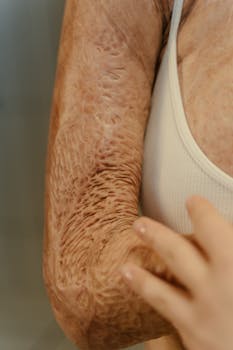
Imagine you’re enjoying a cozy evening by the fireplace when suddenly a spark lands on your skin, causing severe pain. The immediate sting reminds us of the potential dangers of heat injuries, but few are as serious as fourth degree burns. Unlike milder burns that affect only the skin’s surface, fourth degree burns penetrate deeper, affecting not only the skin but underlying tissues like muscle and bone. Understanding the severity of this type of burn and knowing the immediate steps to take can make a significant difference in recovery and quality of life.
Understanding the Severity of Fourth Degree Burns
Fourth degree burns are not just superficial injuries; they cause extensive damage that can lead to loss of function in the affected area. These burns destroy both the epidermis and dermis, extending further to fat, muscle, and sometimes bone. They frequently result from prolonged exposure to intense heat, electricity, or chemicals, necessitating swift medical attention to mitigate complications.
Recognizing Symptoms Beyond the Skin
While the evident charring and blackened appearance of skin is a hallmark of fourth degree burns, other symptoms often accompany such trauma. Nerve endings may be damaged, leading to numbness in the area rather than pain, which might otherwise signal the body to react. Moreover, these burns may lead to complications like infections and impaired blood circulation.
Immediate Steps and Long-Term Care
When faced with a fourth degree burn, immediate emergency medical care is crucial. As these burns can compromise vital tissues and pose a threat of infection, professional medical intervention is vital. In the long term, treatment usually involves surgical procedures such as skin grafts, which help restore the function and appearance of the affected area. Rehabilitation, including physical and occupational therapy, often follows to assist with recovery.
Considering the Impact on Daily Life
Fourth degree burns can drastically alter daily living. The need for extended recovery, potential surgical interventions, and rehabilitation can impact normal routines, work, and family life. Emotional support is also pivotal; both patients and their families may benefit from counseling to cope with the trauma and lifestyle adjustments.
When to Seek Care
An injury of this magnitude should never be managed at home. Immediate evaluation by a healthcare provider is essential. Often, these cases require the expertise of a burn specialist, given the complexity and severity involved. If you or someone you know sustains a burn that deeply affects the skin and below, call emergency services immediately for professional assistance.
It’s important to remember that burns of any degree are serious and excessive waiting can lead to further complications. Erring on the side of caution is always best.
Medications and Treatment: What to Expect
Treatment for such extensive injuries involves a multi-faceted approach. Doctors may prescribe pain relief to manage discomfort, and antibiotics to prevent infection. In severe cases, surgery is often necessary to remove dead tissue and reconstruct the burned area.
During recovery, patients might need to ask their doctor whether certain medications should be adjusted or discontinued before surgery, and what kind of follow-up care and physical therapy will be necessary to regain function.
Can Active Lifestyle Practices Aid Recovery?
While it’s crucial to rely on medical treatments, adopting healthy lifestyle practices can support recovery. Gradual physical activity, tailored to the individual’s capabilities, can enhance mobility and wellbeing. To understand how small, active steps can be incorporated into daily routines, you might find our article on small steps to a more active lifestyle useful.
For Further Information
For more detailed information on burn treatments and recovery protocols, you can refer to reliable resources like the Cleveland Clinic. They provide a wealth of information on managing various types of burns and when to seek healthcare advice.
Takeaways
- Fourth degree burns penetrate skin, muscle, and even bone.
- Immediate medical attention is crucial; do not self-manage.
- Long-term recovery may involve surgery and rehabilitation.
- The impact on daily life can be significant; emotional support is vital.
- Consulting a specialist is key for appropriate treatment.
Common Questions
What constitutes a fourth degree burn?
A fourth degree burn extends through the entire skin and into subcutaneous tissues, like muscle and bone, often resulting from severe heat exposure, chemicals, or electricity.
Which healthcare providers manage these burns?
Burns that go beyond superficial skin layers typically require assessment and management by a burn specialist or a plastic surgeon. Initial emergency care may be provided by emergency room physicians.
What are the possible complications?
Without prompt treatment, these burns can lead to severe infections, scarring, and loss of sensation or function in the affected limbs. They can also become life-threatening if not managed properly.
How can I prevent such severe burns?
Prevention involves taking precautions with heat sources, chemicals, and electrical devices. Installing smoke alarms, using flame-retardant materials, and exercising care during high-risk activities are effective strategies.
What is the role of rehabilitation in recovery?
Rehabilitation aids in restoring function and mobility. Physical and occupational therapy can help patients regain movement and manage everyday tasks more independently post-recovery.
Other Articles You May Find of Interest...
- Exploring the Causes and Treatments of Sinus Tract Issues
- Managing Wound Evisceration: Essential Care Tips and Insights
- Can I Use Mupirocin Ointment on an Open Wound? Understanding Its Safety and Effectiveness
- Is Iodosorb Gel the Key to Effective Wound Care?
- Innovative Uses of Fish Skin Grafts in Modern Medicine
- Effective Healing: The Benefits of Antibiotic Cream for Open Wounds
- Innovative Insights into I&D Medical Abbreviation and Its Importance in Healthcare



