






More Pain Management & Rehabilitation Articles
What Causes a Swollen Knee and How to Find Relief?
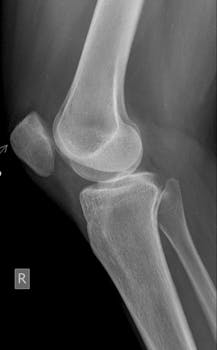
Waking up with a swollen knee is an unpleasant surprise many of us wish to avoid. Yet, for some people, it’s a recurring issue that prompts the question: why is my knee swollen? Whether it happens after a long hike, intense exercise, or seemingly out of the blue, knee swelling can interfere with your daily activities and make routine tasks like walking or climbing stairs challenging.
Understanding What Causes a Swollen Knee
The term “swollen knee” encompasses various causes and conditions. Inflammation due to injuries such as sprains or strains, arthritis (like osteoarthritis or rheumatoid arthritis), tendinitis, bursitis, or infections can all lead to knee swelling. Acute trauma or overuse can cause the area around the knee, including ligaments and fluid-filled sacs, to accumulate excess fluid, making the knee swell. This condition might be accompanied by pain, stiffness, or reduced range of motion, severely impacting day-to-day life.
Relieving Knee Swelling
If your knee swells up, several at-home treatments may offer relief. Resting the affected knee and avoiding activities that worsen the pain or swelling is crucial. Applying ice packs intermittently throughout the day can help reduce inflammation. Elevating the leg and wearing supportive bandages or knee braces may offer additional comfort. Over-the-counter anti-inflammatory medications might also relieve symptoms, but consulting a pharmacist or healthcare provider before starting any new medication is wise.
Some people explore physical therapy options to strengthen muscles around the knee, which can help prevent future injury and manage ongoing knee swelling concerns. Your own routine might benefit from adjustments to reduce stress on the knee, particularly if lifestyle factors like weight management and physical activity levels impact your joints. For more on how lifestyle choices impact health, visit our article on lifestyle and overall health.
When to Seek Care
While self-care measures can alleviate mild knee swelling, it’s essential to consult a healthcare provider if swelling persists beyond a few days or is severe. If the swollen knee is accompanied by fever, a feeling of warmth in the joint, or if it stops you from putting any weight on the affected knee, seek medical assistance promptly. Orthopedic specialists or rheumatologists can assess underlying conditions, potentially recommending diagnostic imaging or specific treatment pathways.
Common Causes and Prevention
Common causes of knee swelling include sports injuries, repetitive stress, and underlying medical conditions like arthritis. Preventative measures involve maintaining a healthy weight, using proper gear during activities, and engaging in regular, low-impact exercises to strengthen the knee muscles. Gentle activities like swimming, cycling, or walking can contribute to joint health without adding undue stress.
Practical Insights on Medication and Treatment
Managing knee swelling with medications often involves NSAIDs (non-steroidal anti-inflammatory drugs). Some individuals worry about side effects, which can include stomach discomfort or increase in blood pressure. Discussing these concerns with your doctor can help determine the most appropriate treatment plan for you, particularly if combining medications. A healthcare provider can guide you on dose adjustments or the transition to alternative drugs if needed.
Takeaways
- A swollen knee can result from injuries, inflammation, or medical conditions such as arthritis.
- At-home treatments include rest, ice, compression, and over-the-counter pain relievers.
- Persistent or severe symptoms should prompt medical evaluation to determine the underlying cause.
- Lifestyle changes like weight management and exercise can prevent or reduce knee swelling.
- Consulting with a healthcare provider ensures a personalized treatment plan for your symptoms.
Common Questions
What should I do if my knee swells suddenly?
Start with RICE (Rest, Ice, Compression, Elevation) therapy to manage swelling and pain. Avoid activities that exacerbate the issue, and consult a doctor if symptoms persist or worsen.
What doctor treats knee swelling?
Orthopedic surgeons, sports medicine specialists, and rheumatologists often handle cases of knee swelling, especially if it’s linked to injury or chronic conditions such as arthritis.
Is knee swelling always serious?
Knee swelling isn’t always serious, but it can point to underlying issues requiring medical attention, especially if it occurs frequently or is linked to pain and decreased mobility.
Can lifestyle changes prevent knee swelling?
Yes, maintaining an active lifestyle with a focus on low-impact exercises, appropriate nutrition, and weight management can support knee health and minimize swelling risks.
Where can I learn more about knee health?
For further information on managing knee health, visit reputable sources online such as the Mayo Clinic website which offers a wealth of updated health insights.
Ultimately, understanding your knee swelling and knowing when to seek help can pave the way for effective management and improved quality of life. Monitoring symptoms, recognizing triggers, and making informed lifestyle choices are vital steps in maintaining knee health. A coordinated approach with your healthcare provider ensures you address any underlying issues and explore the best treatment strategies tailored to your needs.
Other Articles You May Find of Interest...
- What Causes a Swollen Knee and How to Find Relief?
- Is Ligamentum Flavum Thickening Affecting Your Spine Health?
- Recognizing the Dangers of Methamphetamine-Induced Rhabdomyolysis and Its Symptoms
- How to Convert 10 ml to Milligrams for Accurate Dosage Measurement
- Exploring the Causes and Treatment Options for Distal Clavicle Osteolysis
- Effective Relief for De Quervain’s Disease: Discover the Best Braces
- Finding Effective Pain Relief for Spinal Stenosis: What You Need to Know




