






More Medication Articles
Is Famotidine Safe During Pregnancy? Exploring the Risks and Benefits
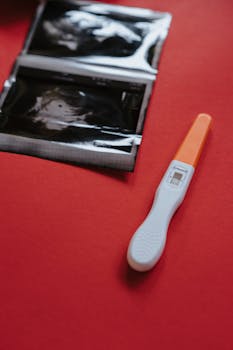
If you’re pregnant and dealing with heartburn or acid reflux, you might be considering the medication famotidine for relief. Famotidine during pregnancy is a topic that often leads to concern and questions, primarily about risk and safety. In this article, we’ll explore what famotidine is, how it can help, and the potential risks involved while carrying a baby.
The Facts About Famotidine During Pregnancy
Famotidine is a type of medication known as an H2 blocker. It’s commonly used to reduce stomach acid, offering relief from conditions like gastroesophageal reflux disease (GERD) and heartburn. During pregnancy, acid reflux and heartburn can be particularly problematic due to hormonal changes and the pressure the growing uterus places on the stomach.
Many expecting mothers find themselves reaching for over-the-counter solutions, and famotidine is often on the list. However, the question remains: Is it safe to take famotidine while pregnant?
Possible Risks and Benefits
Famotidine is generally considered safe for use during pregnancy. The U.S. Food and Drug Administration (FDA) has categorized famotidine as a pregnancy category B drug, meaning that there are no known risks to taking it while pregnant based on animal studies. However, human studies are limited, and it’s always best to proceed with caution.
The benefits of taking famotidine may include relief from persistent heartburn and acid reflux, contributing to fewer sleep disturbances and a more comfortable lifestyle during pregnancy. Ensuring the stomach acid is reduced can also help prevent serious complications like esophagitis, where the esophagus becomes inflamed.
Day-to-Day Life with Heartburn Relief
For those dealing with heartburn that impacts daily activities—like eating, sleeping, or even walking a short distance—famotidine can offer significant relief. It can allow pregnant individuals to maintain a more balanced diet free from pain and discomfort, which is critical for both mother and baby.
Moreover, when lifestyle changes such as diet modification and elevating the head during sleep fail to manage symptoms effectively, famotidine can be an ally in ensuring a more settled pregnancy period.
Questions to Discuss with Your Doctor
It’s essential to have an open discussion with your healthcare provider about taking famotidine during pregnancy. Here are some key points to consider addressing:
- Are there any alternative treatments effective for heartburn that might be safer during pregnancy?
- How will famotidine interact with other medications or supplements currently being taken?
- What’s the best dosage to minimize potential risks while still being effective?
When to Seek Care
If you’re experiencing severe symptoms of acid reflux or heartburn during pregnancy that disrupt daily life or don’t resolve with over-the-counter solutions, it may be time to consult a clinician. A gastroenterologist can guide you through managing symptoms effectively and safely. Additionally, if you notice symptoms like difficulty swallowing or black or bloody stools, seek medical evaluation promptly.
For more on symptoms related to digestive health challenges, check out our article on recognizing symptoms of hemochromatosis.
Common Questions
Is it safe to continue famotidine throughout pregnancy?
Generally, famotidine is deemed safe during pregnancy, but it’s crucial to consult your healthcare provider about your specific situation before continuing use throughout your term.
Can diet and lifestyle changes replace the need for medication?
For some, dietary adjustments and lifestyle changes may reduce the need for medications like famotidine. However, if your symptoms persist despite these changes, medical intervention may be necessary.
What provider should I consult for managing heartburn during pregnancy?
Your primary care physician or OB-GYN can provide guidance, but if symptoms are severe, a referral to a gastroenterologist can offer specialized care.
Are there other medications safer or as effective during pregnancy?
This is a personalized decision best made with your healthcare provider, who can recommend alternatives based on your health profile and pregnancy stage.
Takeaways
- Famotidine is typically considered safe during pregnancy but with limited human studies.
- Discuss with your doctor about managing dosage and potential alternatives.
- Severe symptoms should prompt a consultation with a healthcare provider.
- Dietary and lifestyle adjustments can support managing symptoms naturally.
- Always prioritize discussions with care providers for personalized advice.
Famotidine during pregnancy can be an effective treatment for managing acid reflux and heartburn, ensuring comfort during this critical time. It’s essential to consult with your healthcare provider to determine the best approach for you. For comprehensive and updated information on various health topics, visit MedlinePlus.
Other Articles You May Find of Interest...
- How Long Do Antibiotics Take to Work for Strep Throat?
- Does Telmisartan Lower Heart Rate?
- Can Benzonatate Cause Diarrhea?
- Does Singulair Work Right Away? How Long It Takes to Start Working
- Can You Take Meclizine if You Have Glaucoma?
- Can You Take Zyrtec and Benadryl on the Same Day?
- How Long Does Arm Pain Last After a Hepatitis B Vaccine?





