






More Physical Therapy Articles
Navigating the Complexities of ACL and PCL Injuries: What You Need to Know
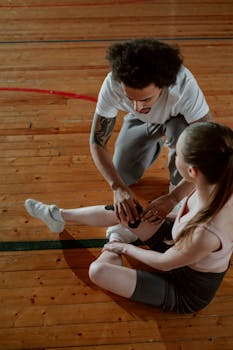
You’re enjoying a game of weekend basketball when you suddenly hear a pop in your knee. Pain shoots through your leg, making it difficult to move. You’re likely experiencing an ACL or PCL injury, two common yet serious knee injuries. Understanding PCL and ACL injuries is important because the anterior cruciate ligament (ACL) and posterior cruciate ligament (PCL) are essential for stabilizing the knee joint and supporting proper movement during physical activities.
Demystifying ACL and PCL: What Are They?
The ACL and PCL are two of the four major ligaments in the knee, crucial for its stability. The ACL prevents the tibia from sliding out in front of the femur, while the PCL stops it from sliding backward. Injuries to these ligaments commonly occur during sports involving sudden stops, jumps, or changes in direction.
Symptoms such as pain, swelling, and instability often indicate an ACL or PCL injury. These injuries not only impact sports participation but also everyday tasks like walking upstairs or bending down to tie shoes.
Common Causes and Risks Associated with Knee Ligament Injuries
Understanding how ACL and PCL injuries occur can help in taking preventive steps. Sports like soccer, football, and skiing are common culprits due to their demands for quick pivots and stopping movements. Other risks include inadequate training, previous knee injuries, and biomechanical imbalances.
For those wanting to lead an active lifestyle, focusing on enhancing core and leg strength, along with flexibility training, may lower the risk of sustaining such injuries.
Treatment Options for ACL and PCL Injuries
Once diagnosed, treatment options for ACL and PCL injuries vary based on severity. Mild sprains may require rest, ice, and physical therapy to regain movement and strength. Severe injuries could necessitate surgical intervention, especially for athletes or individuals who wish to continue high-impact activities.
Recovery can be a lengthy process, often taking several months. Adhering to a structured rehabilitation program is vital for regaining full functionality and preventing future issues.
When to Seek Care
Recognizing when to seek professional care is crucial. If you experience persistent pain, swelling, or instability in your knee that doesn’t improve with rest and home care, consulting a healthcare professional is advisable. Orthopedic specialists or sports medicine physicians can diagnose the extent of your injury through physical examinations and imaging tests.
If you notice symptoms like knee joint buckling or inability to bear weight, seeking prompt medical advice can prevent further damage and aid in effective recovery.
Day-to-Day Impact of Knee Ligament Injuries
Living with an ACL or PCL injury affects more than just athletic activities. It can impact daily routines, making simple tasks challenging. For instance, climbing stairs or sitting in a low chair can become arduous. Moreover, knee instability can limit socializing and participating in group sport activities.
To manage these day-to-day impacts, adhering to rehabilitation exercises and wearing supportive knee braces when necessary can be beneficial.
Questions to Ask About Medication and Recovery
If prescribed medication for pain management in knee injuries, consider discussing these aspects with your doctor:
- Whether supplements like glucosamine can be integrated safely.
- Possible side effects or interactions with existing medications.
- Practical expectations regarding pain relief and symptom improvement timelines.
Being informed about these factors helps navigate the recovery process more effectively.
In managing overall health, making choices that support aerobic fitness and muscle strength is crucial for preventing knee injuries.
For further details on managing knee health, visit Mayo Clinic’s resources for guidance.
Takeaways
- ACL and PCL injuries impact knee stability and can affect daily life and sports.
- Understanding risks can aid in prevention through strength and flexibility exercises.
- Treatment ranges from rehabilitation to surgery, depending on injury severity.
- Seeking professional care for persistent symptoms is essential.
- Proper recovery and lifestyle changes support knee health.
Common Questions
When should I see a doctor for a knee injury?
If you experience severe swelling, bruising, or inability to bear weight on your knee, it’s important to consult a healthcare provider promptly.
Which healthcare professional should I consult for knee ligament injuries?
Orthopedic specialists or sports medicine doctors are best equipped to diagnose and manage knee ligament injuries.
Can I prevent ACL and PCL injuries?
While not all injuries are preventable, increasing leg strength, improving flexibility, and using proper techniques in sports activities can significantly reduce the risk.
How long does recovery take after a knee ligament injury?
Recovery varies; mild injuries may heal in several weeks, while severe injuries needing surgery could take six months or more.
What role does physical therapy play in recovery?
Physical therapy is essential for regaining strength, stability, and motion, and preventing recurrent injuries.
Other Articles You May Find of Interest...
- What You Need to Know About Modern Physical Therapy Care
- Tips For How To Stay Young
- Sitting All Day? Small Changes That Actually Help
- Beyond the Exercise Sheet: What to Expect from Modern Physical Therapy
- Shockwave Therapy
- Sports Rehabilitation: Recovering From Athletic Injuries and Getting Back in the Game
- Pelvic Floor Physiotherapy: Signs You May Benefit From Treatment





