






More Physical Therapy Articles
Mastering Hand Function: The Role of the Extensor Longus Pollicis in Grip and Movement
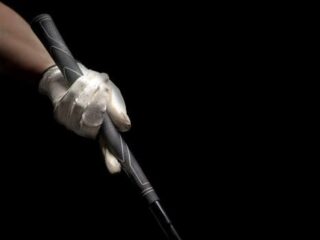
Imagine reaching out to grasp a glass of water, only to find your thumb isn’t moving the way it should. The extensor longus pollicis, an essential muscle in your forearm, plays a crucial role in this everyday motion, facilitating the extension and straightening of your thumb. While many may not even be aware of this muscle, its proper function is vital for gripping and handling objects, impacting how we perform routine tasks.
The Importance of the Extensor Longus Pollicis
Located in the forearm, the extensor longus pollicis is responsible for extending the distal phalanx of the thumb. This might sound technical, but in simpler terms, it allows your thumb to unbend and straighten, a necessary movement for various everyday activities like typing, holding a pen, or even tuning a guitar. Without it, our hand’s dexterity and function are severely limited.
How It Affects Your Daily Activities
The health of this muscle can significantly affect your everyday life. If you experience pain or weakness while trying to extend your thumb, gripping door handles, picking up objects, or opening jars can become quite challenging. Such issues can lead to frustration and difficulty in completing otherwise simple tasks, affecting your quality of life.
Common Issues and Their Impact
Like other muscles, the extensor longus pollicis is susceptible to strain or injury, often due to overuse or repetitive movements. Conditions such as De Quervain’s tenosynovitis, which is an inflammation of the tendons in the thumb, can also impact this muscle, leading to pain and reduced mobility. These conditions not only cause discomfort but can also hinder your performance at work or when engaging in hobbies.
When to Seek Care
If you find that soreness or weakness in your thumb persists and interferes with your daily activities, it’s wise to seek professional advice. A physical therapist or an orthopedic specialist can evaluate your symptoms and suggest treatments ranging from rest and immobilization to physical therapy. Sometimes, if a more serious issue like tendon rupture is suspected, surgical intervention may be required.
Rehabilitation and Self-Care
For mild strains or overuse injuries, self-care steps such as rest, ice, compression, and elevation (RICE) can be effective. Gentle stretching and strengthening exercises for the hand and forearm can aid in recovery and prevent future injuries. It’s essential to ease into these exercises gradually to avoid exacerbating the condition.
Steps Toward Prevention
Preventing injury to the extensor longus pollicis often involves ergonomic adjustments. Ensuring that your desk or workstation is set up to minimize strain can be beneficial. Additionally, taking frequent breaks during activities that require repetitive thumb movements can help maintain muscle health.
Understanding Medication Options
For some, over-the-counter pain relievers can provide temporary relief from discomfort associated with conditions affecting the extensor longus pollicis. However, if you find that pain persists, discussing prescription options with a healthcare provider might be necessary. Anti-inflammatory medications are often prescribed to reduce swelling and manage pain, but it’s important to follow a doctor’s guidance on dosage and duration to avoid potential side effects. For more information, consider visiting MedlinePlus.
Maintaining an Active Lifestyle
An active lifestyle can support muscle health and improve overall well-being. Incorporating a balanced exercise regimen that strengthens the upper body and improves flexibility can protect against strain. For ideas on starting a more active lifestyle, check out our article on taking small steps to become more active.
Understanding the extensor longus pollicis can be empowering, providing insights into how a small part of our anatomy plays a significant role in our daily interactions and health.
Takeaways
- The extensor longus pollicis is crucial for thumb extension and grip strength.
- Injuries can lead to pain and limited hand function, affecting daily routines.
- Seek professional care for persistent symptoms to explore treatment options.
- Preventive measures include ergonomic adjustments and exercise.
- An active lifestyle supports overall muscle health and functionality.
Common Questions
When should I see a doctor about thumb pain?
If the pain persists despite rest and self-care, or if you experience numbness, swelling, and significant weakness, consulting a healthcare provider is advisable.
What type of healthcare provider should I consult?
An orthopedic specialist or a physical therapist can assess and recommend suitable treatments based on your symptoms and needs.
How can I prevent injuries to my thumb muscles?
Ergonomic adjustments and exercises focusing on stretching and strengthening the forearm can help prevent injuries. Regular breaks during repetitive tasks also minimize strain.
Are there medications that can help alleviate the symptoms?
Over-the-counter pain relievers may provide temporary relief, but persistent symptoms should be evaluated by a doctor who can prescribe appropriate medication if needed.
Can lifestyle changes improve my hand function?
Yes, adopting a more active lifestyle with regular exercise can enhance muscle strength and flexibility, reducing injury risk.
Other Articles You May Find of Interest...
- What You Need to Know About Modern Physical Therapy Care
- Tips For How To Stay Young
- Sitting All Day? Small Changes That Actually Help
- Beyond the Exercise Sheet: What to Expect from Modern Physical Therapy
- Shockwave Therapy
- Sports Rehabilitation: Recovering From Athletic Injuries and Getting Back in the Game
- Pelvic Floor Physiotherapy: Signs You May Benefit From Treatment





