






More Neurology Articles
Unlocking the Mysteries of Neuro Storming for Better Brain Health
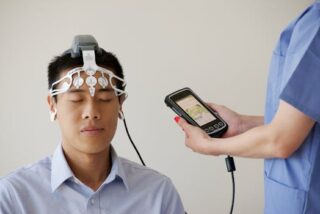
Imagine waking up to a body that’s working overtime, your muscles shaking, uncontrollable movements, almost like a storm raging inside you. This isn’t just a nightmare for some; it’s called neuro storming, a condition that can follow brain injuries or severe neurological events. Understanding this complex phenomenon can help manage the symptoms and improve quality of life.
Demystifying Neuro Storming
Often occurring after traumatic brain injuries, neuro storming, also known as paroxysmal sympathetic hyperactivity, results in episodes of increased nerve activity. This can appear as sudden, intense physical reactions such as sweating, hyperthermia, and hypertension. These episodes can be distressing, and they extend far beyond common misconceptions of just having a tremor or spasm.
The underlying cause of these storms lies in the brain’s sympathetic nervous system. When this system is overactive, it can trigger exaggerated responses. While these episodes can improve over time with proper medical support, understanding what triggers them is crucial for coping with daily life activities.
Managing Everyday Challenges
Living with neuro storming can significantly impact daily routines. For instance, patients may face difficulties in maintaining balance or managing coordinated movements, which can complicate simple tasks like walking or dressing. Moreover, the unpredictability of episodes may lead to discomfort in social settings, further affecting mental health.
Adapting environments and using assistive devices, such as canes or wheelchairs, might be necessary to promote safety and independence. Working with occupational therapists can help create new strategies that support everyday life, building confidence in handling these challenges effectively.
When to Seek Care
If you notice sudden, intense physical reactions after a neurological event or suspect neurostorming, consulting a neurologist is vital. These professionals specialize in brain and nerve function and can provide valuable guidance. Additionally, seeking immediate care if symptoms worsen, become unmanageable, or significantly interfere with daily life is essential for ensuring comprehensive treatment.
Healthcare Provider Considerations
Dealing with medications is often part of managing neuro storming. Before beginning any treatment, it’s essential to know what questions to ask your doctor. Discussing potential side effects, the duration of medication use, and signs of an incorrect dosage helps align expectations and create a tailored plan that best suits individual needs.
For instance, some medications might initially increase symptoms like dizziness or fatigue. In contrast, others might take time to showcase their effects, necessitating regular follow-ups with healthcare providers to adjust doses and maximize benefits.
Vitamins and Brain Health
Supporting brain health through nutrition plays a crucial role in managing neurological symptoms. Although no vitamins directly cure neuro storming, some might aid in overall brain function enhancement. For example, maintaining adequate levels of B vitamins, omega-3 fatty acids, and antioxidants may provide essential support.
To learn more about nutritional support, you can explore this article on vitamins that may help with brain fog and memory.
Exploring Available Resources
Beyond medical interventions, accessing resources and support networks offers additional layers of assistance. Connecting with patient communities provides a platform to share experiences, tips, and encouragement. Moreover, educational resources from reputable organizations, like those found on Mayo Clinic, help individuals and caregivers make informed decisions.
Likewise, participating in clinical trials offers access to new therapies still being researched, yet they serve as beacons of hope for future treatment breakthroughs.
- Neuro storming involves sudden, intense nervous system responses.
- Symptoms typically follow significant brain injuries.
- Occupational therapists can help manage daily challenges.
- Consult healthcare providers for personalized medication plans.
- Nutrition might support brain health alongside clinical treatments.
Common Questions
What typically causes neuro storming?
Neuro storming usually occurs following severe traumatic brain injuries or neurological disturbances. These events trigger an overactive sympathetic nervous system, resulting in sudden physical responses.
How can I prevent a neuro storming episode?
While neurostorming isn’t entirely preventable, identifying triggers and working with healthcare providers to manage stress can reduce the frequency and severity of episodes.
Should I see a neurologist about neuro storming?
Yes, consulting a neurologist is recommended if you experience symptoms of neuro storming. They can conduct a thorough assessment and offer tailored treatment plans.
What kind of therapies are available?
Treatments for neuro storming often involve medication to control symptoms, such as muscle relaxants and beta-blockers, along with therapies to improve daily functioning, like occupational or physical therapy.
Is there a support group for patients with neuro storming?
Yes, several online and in-person support groups are dedicated to individuals dealing with neurological disorders, offering a platform for shared experiences and strategies for coping.
Other Articles You May Find of Interest...
- How to Read a Nerve Conduction Study Report
- Can a Tissue Paper Test Detect a CSF Leak?
- What Does Cerebrospinal Fluid Taste Like During a CSF Leak?
- Cervical Laminectomy: A Complete Guide to This Spinal Decompression Surgery
- Why Concussion Symptoms Can Look Different From Person to Person
- The Crushing Fatigue of ALS
- Complex Partial Seizures: Managing Focal Awareness Loss





