






More Pain Management & Rehabilitation Articles
Can Taking Tylenol Impact Your Blood Pressure?
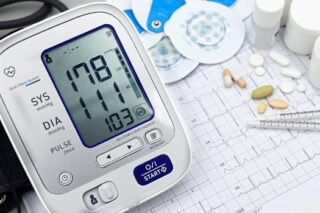
Many individuals wonder, does Tylenol raise blood pressure? This question is important because understanding how medications affect blood pressure can help in making informed health choices. Acetaminophen, known commonly as Tylenol, is one of the most frequently used over-the-counter medications for pain relief and fever reduction. But, how does it interact with your cardiovascular system?
Does Tylenol Raise Blood Pressure?
Studies suggest that while Tylenol is generally considered safe for most people, its impact on blood pressure might vary. It has been noted that some pain relievers, particularly nonsteroidal anti-inflammatory drugs (NSAIDs), can raise blood pressure. However, Tylenol is not an NSAID and acts differently in the body. Some research indicates that it does not significantly alter blood pressure in most individuals.
Yet, it is important to note that everyone responds to medication differently. Factors such as existing health conditions, other medications being taken, and even lifestyle choices can influence how a drug affects your blood pressure. Always consult with a healthcare provider to determine what is best for your specific health needs. You can also explore how lifestyle choices impact overall health for more comprehensive wellness planning.
Understanding Acetaminophen’s Mechanism
Acetaminophen operates by blocking nerve receptors that transmit pain signals to the brain, which is different from how NSAIDs function—by inhibiting enzymes that cause inflammation. This difference in action potentially makes it a safer choice for individuals concerned about blood pressure. Nevertheless, usage guidelines should be strictly adhered to avoid liver damage, a concern with excessive intake of acetaminophen.
Blood Pressure and Pain Relief Options
For individuals with conditions such as hypertension, carefully selecting pain relief options is crucial. While Tylenol might appear to be a safer choice compared to NSAIDs, especially for short-term use, long-term impacts on blood pressure should not be ignored. Regular monitoring of blood pressure is recommended for those regularly using any form of pain medication.
According to findings from reputable sources, there is no conclusive evidence suggesting that Tylenol significantly increases blood pressure. However, each individual’s response can vary, and therefore, continuous evaluation and consultation with healthcare professionals are advised. For more information on blood pressure management, you can refer to this comprehensive Wikipedia article on high blood pressure.
Are There Alternatives to Tylenol?
If there are concerns about Tylenol or if it doesn’t meet your needs, several alternatives can be considered. Non-pharmacological options such as physical therapy, acupuncture, or relaxation techniques can support pain relief without altering blood pressure. Herbal remedies, while appealing to some, should be used with caution and professional guidance to ensure they don’t interfere with existing conditions or medications.
Key Considerations for Tylenol Usage
People taking Tylenol should maintain awareness of dosage limits and guidelines to prevent adverse effects. Also, considering potential interactions with other medications is important. Always check with a healthcare provider particularly if taking medications for chronic conditions.
By following medical advice and monitoring one’s health status, Tylenol can be used effectively and safely. For those concerned about hypertension, this approach is crucial to avoid unintended health issues.
So, does Tylenol raise blood pressure? While it generally does not significantly affect blood pressure for most individuals, it’s essential to monitor personal health and consult experts.
- Tylenol is commonly used for pain relief and does not generally raise blood pressure significantly.
- Always consult a healthcare provider before beginning or changing medication.
- Consider non-pharmacological pain relief methods if concerned about medication effects on blood pressure.
- Monitor your blood pressure regularly if taking pain medications frequently.
- Be aware of potential liver damage from overuse of acetaminophen.
What is the recommended dosage of Tylenol?
The standard dose for adults is typically 325 to 650 mg every 4 to 6 hours. Do not exceed 3000 mg per day without consulting a healthcare provider.
Can Tylenol be taken with blood pressure medications?
Generally, Tylenol can be taken with antihypertensive medications, but individual circumstances vary, so consult your doctor first.
Is it safe to use Tylenol long-term?
Using Tylenol over a long period is generally deemed safe, but liver function should be monitored due to the risk of liver damage with prolonged use.
What are alternatives to Tylenol for pain relief?
Alternatives include NSAIDs like ibuprofen, aspirin, or non-pharmacological approaches such as physical therapy and lifestyle changes.
How can I effectively monitor my blood pressure while using Tylenol?
Regularly check your blood pressure at home with a reliable monitor and consult your healthcare provider to review your readings and adjust medication if necessary.
Other Articles You May Find of Interest...
- Choosing the Right Muscle Relaxant for Sciatica: Robaxin or Flexeril?
- Is Robaxin the Solution for Your Back Pain Relief?
- Indocin vs Ibuprofen: Which Pain Reliever Packs a Bigger Punch?
- Is Diclofenac a Potent Pain Reliever? Discover Its Strength and Uses
- Relieving Left-Side Hip Pain: Causes and Effective Remedies
- Effective Pain Relief: Gabapentin or Tramadol for Sciatica?
- Can Methocarbamol Effectively Reduce Inflammation?



