






More Heart Disease, Stroke and Diabetes Articles
What Does Your Complete Heart Block ECG Reveal About Your Heart Health?
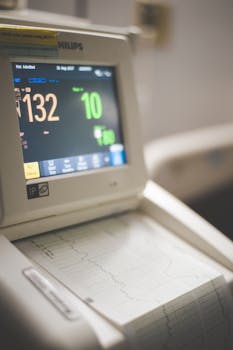
Understanding what your complete heart block ECG reveals about your heart health is crucial for managing your cardiovascular wellness. A complete heart block, also known as a third heart block, is a condition where the electrical signals that travel from the upper chambers of the heart to the lower chambers are partially or completely blocked. The complete heart block ECG is essential for diagnosing the severity and specifics of this condition. In this article, we’ll explore what a complete heart block entails, its implications, and how it can affect your overall heart health.
What Does a Complete Heart Block ECG Indicate?
A complete heart block ECG is an invaluable tool for cardiologists. It provides a clear picture of how well your heart’s electrical system is functioning. When there’s a blockage, the signals are not transmitted as they should, leading to a slower heart rate or irregular heart rhythms. This can be detected through specific patterns on the ECG, allowing healthcare professionals to determine the blockage’s presence and severity. A third heart block ECG, in particular, differs as it outlines the complete absence of electrical communication between the heart’s nodes.
The ECG works by measuring the electrical signals in your heart, represented by waves on a graph. In cases of a complete heart block, these waves will show distinctive patterns which can help identify potential heart issues. Understanding these patterns is key to addressing heart blockages effectively.
Causes of Complete Heart Block
Various factors might lead to a complete heart block. Congenital heart defects, aging, or certain heart surgeries can all be culprits. Additionally, some medications or inflammatory diseases might contribute. When a patient presents with symptoms such as dizziness, fainting, or palpitations, a complete heart block ECG may be ordered to identify the heart block’s cause.
Potential Symptoms and Risks
While some individuals with a complete heart block may not experience symptoms, others may notice fatigue, chest pains, or even episodes of fainting. These symptoms are due to the heart’s reduced capability to pump blood effectively throughout the body. If left untreated, complete heart block can increase the risk of more severe cardiovascular problems.
For people experiencing such symptoms, early diagnosis via a complete heart block ECG is critical to appropriate intervention. Depending on its severity, the condition may necessitate treatments such as pacemaker implantation or adjustments in medication.
How a Complete Heart Block ECG Helps Guide Treatment
The information from a complete heart block ECG helps healthcare providers develop personalized treatment plans. In some cases, lifestyle changes or medication adjustments are sufficient. In others, more invasive procedures may be recommended. A pacemaker, for instance, may be suggested to maintain a regular heartbeat and ensure proper blood circulation.
Understanding the importance of regular check-ups and monitoring through ECGs can help in the early detection and management of heart-related issues. For those at risk, maintaining heart health through lifestyle choices is also vital. You might find beneficial tips by considering the health advantages of working out in a home gym space.
The effectiveness of treatments often hinges on early detection, which underscores the importance of regular monitoring with a complete heart block ECG.
For Further Reading
An additional resource for understanding heart block conditions better is this Wikipedia article on Heart Block. It’s crucial to consult with your healthcare provider for a full understanding of your heart health and necessary medical intervention.
The primary keyphrase complete heart block ECG captures the essence of understanding heart block conditions. Monitoring, coupled with professional medical advice, can lead to improved heart health outcomes.
- Complete heart block involves interruption in the heart’s electrical signal transmission.
- A complete heart block ECG helps in diagnosing and treating heart block conditions.
- Symptoms of heart block may include dizziness, fatigue, and fainting.
- Treatment options can range from lifestyle changes to pacemaker implantation.
- Regular ECG monitoring can aid in early detection and management of heart health issues.
What is a complete heart block?
A complete heart block, or third-degree heart block, occurs when the electrical signals from the atria do not reach the ventricles. It can lead to serious cardiovascular problems if untreated.
How does an ECG diagnose heart block?
An ECG records the heart’s electrical activity and can show distinctive patterns that indicate a blockage in the signal transmission, helping in the diagnosis of heart block.
What are the treatment options for complete heart block?
Treatment varies based on severity, ranging from monitoring to medical interventions like installing a pacemaker to maintain regular heart rhythms.
Can lifestyle changes help manage heart block?
Yes, lifestyle changes such as regular exercise and a balanced diet can support heart health, although they should complement professional medical treatment as needed.
Is a complete heart block a life-threatening condition?
While complete heart block can be serious, especially if symptoms are severe, it can be managed effectively with the right treatment and monitoring strategies.
Other Articles You May Find of Interest...
- What is Insulin Resistance? Does it Mean Prediabetes?
- Is High LDL-P Dangerous? Particle Count vs. Cholesterol
- Heart Symptoms People Brush Off Until Testing Catches Something
- 5 Ways Cardiac Hypertrophy Affect Heart Function
- How E-Bike Commuting Can Support a Heart-Healthy Routine
- How Farxiga Helps a Failing Heart
- How the Heart Drains Its Own Blood




