






More Child Health and Safety Articles
Exploring the Importance of Perinatal Care for Maternal and Infant Health
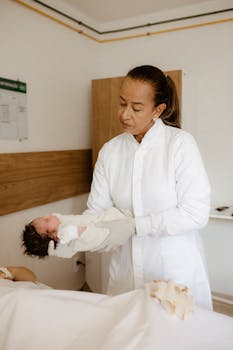
Perinatal care is a crucial aspect of healthcare that significantly influences the health and wellbeing of both mother and infant. But what is perinatal care exactly? The term “perinatal” refers to the period shortly before and after birth, typically from the 20th week of pregnancy to one to four weeks after birth. During this time, medical support and monitoring are vital to ensure positive outcomes for both the mother and the newborn.
Understanding What Is Perinatal
Perinatal care encompasses comprehensive medical and emotional support offered to mothers during the perinatal period. This phase is crucial as it prepares and supports women throughout the late stages of pregnancy, labor, and the initial postpartum period.
Such care includes regular check-ups, nutritional advice, monitoring of fetal development, and the management of any complications that may arise during pregnancy or childbirth. Perinatal care aims to reduce risks during childbirth and promote the wellbeing of both the mother and baby.
The Importance of Perinatal Care
Providing adequate perinatal care has numerous benefits. It significantly reduces maternal mortality by identifying and addressing pregnancy complications early. Conditions such as pre-eclampsia and gestational diabetes can be managed effectively through timely perinatal interventions.
Moreover, perinatal care ensures early detection and management of fetal complications, helping prevent stillbirths and promoting healthy growth and development of the infant after birth. This type of care may also include educating expectant mothers on what to expect during childbirth and newborn care, fostering confidence and reducing anxiety.
Components of Perinatal Care
Perinatal care is multi-faceted, comprising various elements tailored to the needs of the individual. Key components include:
- Prenatal Visits: Regular appointments with healthcare providers for monitoring the baby’s growth, performing necessary tests, and receiving important vaccines.
- Nutritional Guidance: Advice on maintaining a balanced diet to support the health of both mother and child.
- Birthing Plans: Counseling to create comprehensive birth plans covering delivery preferences, pain management, and potential interventions.
- Postnatal Care: Continued support after birth to monitor recovery, manage postpartum depression, and ensure the newborn’s health.
- Lactation Support: Assistance with breastfeeding techniques and addressing concerns with lactation specialists.
For more detailed discussions on related topics, explore additional resources on maternal health.
Global Perspective on Perinatal Care
Worldwide, the importance of perinatal care is recognized as an essential component of maternal and child health strategies. The World Health Organization recommends comprehensive perinatal care as a standard practice to ensure healthy pregnancies and childbirths globally. Perinatal care practices may vary according to regional healthcare systems, resources, and cultural norms, yet the primary goal remains to improve outcomes for mothers and their babies.
To learn more about the global initiatives and recommendations on healthcare, you can visit the World Health Organization’s resources on maternal health.
Challenges in Perinatal Care
Despite the recognized importance of perinatal care, several challenges exist. Access to care in remote or underserved areas, healthcare disparities, and socio-economic barriers can impede the delivery of effective perinatal services. Efforts must continue to ensure equitable access to high-quality care for all mothers, irrespective of their location or resources.
Additionally, raising awareness and providing education on the significance of perinatal care can empower women to seek the support they need.
Enhancing Perinatal Care Practices
Continuous improvements in perinatal care practices are necessary to adapt to changing healthcare needs and technological advancements. Innovations in telemedicine, for example, are making it possible for expectant mothers to receive consultations without physical visits, bridging gaps in care accessibility.
Furthermore, integrating personalized care plans and fostering multidisciplinary collaboration among healthcare providers can optimize outcomes and offer holistic support throughout the perinatal period.
Conclusion
Understanding what is perinatal care highlights its paramount importance in safeguarding maternal and infant health. It serves as a vital pillar supporting mothers through one of life’s most significant transitions, with long-lasting impacts on their health and the wellbeing of their children. As the landscape of healthcare continues to evolve, enhancing perinatal care can lead to brighter futures for families worldwide.
- Perinatal care is critical for the health of mother and baby.
- Involves pre and postnatal visits, nutritional guidance, and more.
- Reduces risks and promotes healthy childbirth outcomes.
- Global efforts focus on improving access and quality of care.
- Innovation and personalized care are key to future improvements.
What is perinatal care?
Perinatal care refers to the medical and emotional support given to women and their newborns during the late stages of pregnancy and shortly after birth. This care aims to ensure safe and healthy experiences for both mother and child.
Why is perinatal care important?
Perinatal care is crucial because it reduces the risk of complications during pregnancy and childbirth, improves maternal and neonatal health outcomes, and provides educational support for expectant mothers.
What are common components of perinatal care?
Common components of perinatal care include regular prenatal visits, nutritional counseling, creating a birthing plan, postpartum support, and lactation consultations.
How can challenges in perinatal care be addressed?
Challenges in perinatal care can be addressed by improving access in underserved areas, reducing healthcare disparities, enhancing education on the importance of such care, and utilizing telemedicine technologies.
How does perinatal care vary globally?
Perinatal care practices vary globally based on healthcare systems, cultural norms, and resource availability, yet the primary goal remains to ensure healthy pregnancies and childbirths worldwide.
Other Articles You May Find of Interest...
- Heart Murmur in Babies: What Parents Need to Know
- When Should a Child See a Paediatric ENT Specialist?
- Why Are My Toddler’s Cheeks Red Without a Fever?
- Why a Compact Travel Stroller Makes Family Trips Easier
- ABA Therapy 101: How Different Treatment Approaches Help Children with Autism Build Skills
- The Activities Children Outgrow Slowly-and Benefit From for Years
- Creating a Sensory-Friendly Environment at Home for Neurodivergent Children




