






More Pain Management & Rehabilitation Articles
Essential Insights into Oblique Fractures and Their Healing Process
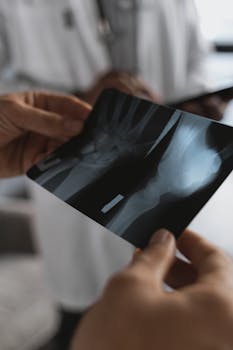
An oblique fracture is a specific type of bone fracture characterized by a diagonal break across the bone shaft. This type of fracture typically results from a sharp angled force or trauma. Understanding the nature and healing process of oblique fractures is crucial for anyone who may be affected by this condition.
What is an Oblique Fracture?
An oblique fracture occurs when a bone breaks at an angle across its shaft. Unlike transverse fractures, which run straight across the bone, oblique fractures create slanted, angular breaks. This can make them more challenging to stabilize without medical intervention.
Such fractures are common in long bones like the femur, tibia, and fibula. They often result from direct trauma or indirect forces like twisting injuries. Proper diagnosis involves imaging techniques such as X-rays to determine the fracture’s precise angle and severity.
Causes and Risk Factors of Oblique Fractures
Oblique fractures commonly result from trauma such as falls, sports injuries, or accidents. Factors that increase the risk include:
- Engaging in high-impact sports or activities
- Osteoporosis or weakened bones
- Previous bone injuries or fractures
Maintaining strong bones through adequate calcium and vitamin D intake, along with regular weight-bearing exercises, can help reduce the likelihood of fractures.
Symptoms and Diagnosis
Symptoms of an oblique fracture typically include immediate pain at the fracture site, swelling, bruising, and an inability to bear weight. A visible deformity might be present in some cases.
Upon clinical examination, a healthcare provider will generally recommend an X-ray to confirm the fracture type and extent. Additional imaging might be necessary for more complex fractures.
Treatment Options for Oblique Fractures
The treatment plan for an oblique fracture depends on its severity and location. Common options include:
- Immobilization: Using casts or splints to keep the bone in proper alignment while it heals.
- Surgery: In more complex cases, surgical intervention might be necessary to realign the bone pieces. Metal rods, screws, or plates may be used for stabilization.
- Rehabilitation: Physical therapy could be essential post-immobilization or surgery to restore strength and mobility.
A healthcare provider will tailor the treatment plan based on the specific situation and patient needs.
Recovery and Rehabilitation
Recovery from an oblique fracture involves several stages, starting with bone healing, followed by rehabilitation to regain full function. A typical healing timeframe ranges from 6 to 12 weeks, depending on the fracture’s severity and the individual’s overall health.
Physical therapy plays a significant role in recovery, focusing on restoring range of motion, strength, and function. Patients can also explore how lifestyle choices can impact their overall health and aid in the healing process.
Preventive Measures
Preventing oblique fractures involves reducing risk factors and strengthening bones. Recommendations include:
- Participating in regular exercise, including strength training and balance exercises
- Ensuring sufficient intake of bone-supportive nutrients
- Using protective gear during sports and physically demanding activities
For more detailed information on bone health, you can also refer to this comprehensive health resource.
The Future of Fracture Treatment
Advancements in medical technology continue to improve the treatment and recovery of bone fractures. Innovative methods like bioengineered scaffolds and growth factor therapy are being studied to accelerate bone healing and reduce recovery times.
Researchers are also exploring personalized medicine approaches, tailoring treatment plans to the genetic and lifestyle factors of individual patients, enhancing recovery outcomes.
Conclusion
An oblique fracture requires careful management and treatment to ensure proper healing and restore full function. Taking proactive measures to maintain bone health can mitigate the risks of fractures. Understanding the anatomy and healing process of oblique fractures empowers individuals to take control of their recovery journey and preventive health measures.
- Oblique fractures are diagonal breaks in long bones.
- Common causes include trauma from falls or accidents.
- Treatment may involve immobilization or surgery depending on severity.
- Recovery includes rehabilitation to regain strength and mobility.
- Preventive measures focus on bone health and risk reduction.
What distinguishes an oblique fracture from other types of fractures?
An oblique fracture is characterized by a diagonal break across the bone shaft, whereas other fractures, like transverse or comminuted, differ in pattern and fragmentation.
How is an oblique fracture diagnosed?
Diagnosis typically involves a physical examination and imaging tests like X-rays to determine the fracture’s specifics, such as angle and severity.
What are the first steps in treating an oblique fracture?
Initial treatment often involves immobilizing the area with a cast or splint. Severe cases may require surgical intervention to stabilize the bone.
What is the role of physical therapy in fracture recovery?
Physical therapy aids in regaining strength, flexibility, and range of motion after the bone has adequately healed and is crucial for a full recovery.
Can lifestyle modifications help prevent oblique fractures?
Yes, engaging in regular exercise, maintaining a diet rich in nutrients like calcium and vitamin D, and avoiding high-risk activities can significantly reduce fracture risk.
Other Articles You May Find of Interest...
- Safe Pain Relief Options When Taking Etodolac
- Are You Aware of the Side Effects of Savella?
- Why Do I Keep Getting a Recurring Bruise on the Same Spot?
- Can Nabumetone Help Relieve Your Migraine Pain?
- Is Naproxen a Muscle Relaxer or Painkiller? Unveiling Its True Purpose
- Causes and Solutions for Pain on the Left Side Near the Hip Bone
- Can Methocarbamol Affect Your Blood Pressure? Discover the Truth



