More Physical Therapy Articles
Effective Strategies for Mallet Finger Treatment and Recovery
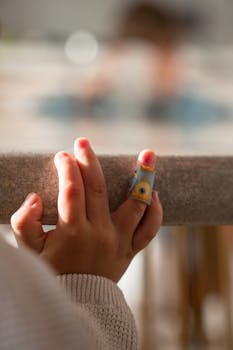
When dealing with a mallet finger injury, effective treatment is crucial for recovery and regaining full function. A mallet finger occurs when the tendon responsible for straightening the finger is damaged, typically by a sudden impact. This injury results in the fingertip drooping, making it challenging to extend the finger. Understanding the treatment options available and adhering to them can significantly improve outcomes.
Effective Mallet Finger Treatment Options
Effective management of mallet finger involves several strategies. The main goal is to restore the normal position and function of the affected finger. Below, we explore the most recommended treatment approaches.
Splinting
Splinting is often the first line of treatment for a mallet finger. By keeping the finger straight, the splint allows the tendon to heal properly. It is crucial to wear the splint continuously, even when sleeping, as any bending of the finger can re-injure the tendon.
Physical Therapy
Once the splint is removed, physical therapy may aid in regaining strength and flexibility. Therapeutic exercises help to restore full range of motion and reduce stiffness in the joint.
Surgery
In cases where the injury is severe or does not improve with conservative treatments, surgery might be necessary. This involves repairing or reconstructing the tendon and sometimes removing a piece of bone.
It is essential that patients follow post-treatment guidelines to ensure the best recovery outcomes. Regular meetings with a healthcare provider will ensure that the finger is healing correctly and that any complications are addressed promptly.
Long-Term Recovery Plan
A comprehensive recovery plan is essential for the successful treatment of mallet finger. Patients should be diligent during the healing process and adhere strictly to the recommendations provided by healthcare professionals. Here are some key components:
Follow-up Appointments
Regular appointments are critical to monitor progress. During these visits, adjustments to treatment can be made as needed based on how well the finger is healing.
At-home Care
Engage in prescribed at-home exercises to ensure continued improvement of finger flexibility and strength. It’s also important to manage any pain using over-the-counter pain relief medications if necessary.
Understand the Role of Nutrition and Lifestyle
Adopting a healthy lifestyle can support recovery. Proper nutrition and staying active can promote overall health, which indirectly aids the healing process. Learn more about how lifestyle choices can impact recovery and health.
Understanding Mallet Finger Risks
While treating mallet finger, understanding potential risks is critical. Mismanagement can lead to complications such as permanent deformities, reduced hand function, and even arthritis.
Possible Complications
- Joint stiffness and deformity
- Persistent pain and swelling
- Secondary conditions like osteoarthritis
Awareness of these complications underscores the importance of effective treatment and adherence to follow-up care. Consulting with a medical professional for personalized advice is always recommended to mitigate these risks.
Conclusion
In conclusion, mallet finger treatment involves a combination of splinting, physical therapy, and potentially surgery, depending on the severity of the injury. A well-rounded recovery plan, including lifestyle adjustments and professional guidance, is vital for optimal healing. For a broader understanding of health-related issues, consider visiting reliable resources such as this comprehensive health guide.
- Consult a healthcare professional for accurate diagnosis and treatment.
- Splinting is crucial and must be worn consistently.
- Follow-up care and rehabilitation exercises promote recovery.
- Understanding risks helps mitigate potential complications.
- Healthy lifestyle choices support overall recovery.
Frequently Asked Questions
What is a mallet finger?
A mallet finger is an injury where the tendon at the end of a finger or thumb is damaged, causing the tip of the finger to droop.
Can mallet finger heal without treatment?
Typically, without treatment, a mallet finger may not heal properly, leading to permanent deformity and function loss. It is essential to seek professional treatment.
How long does mallet finger take to heal?
Healing time can vary, but most cases of mallet finger take around 6 to 8 weeks if properly treated with a splint.
Is surgery always necessary for mallet finger?
Surgery is not always necessary. Most cases of mallet finger are effectively treated with splinting. Surgery is considered if conservative treatments do not yield satisfactory results.
What are the risks of untreated mallet finger?
Untreated mallet finger can lead to chronic pain, joint stiffness, and deformities, significantly impacting hand function.
Other Articles You May Find of Interest...
- Shockwave Therapy
- Sports Rehabilitation: Recovering From Athletic Injuries and Getting Back in the Game
- Pelvic Floor Physiotherapy: Signs You May Benefit From Treatment
- The Muscles and Nerves Behind Scapular Winging
- Wrist Flexion Stretches for Desk-Stiff Hands
- Do You Need a Referral for Physical Therapy in New York?
- That Pop When Scar Tissue Breaks: Good Sign or Bad?