More Gastroenterology Articles
Can Nicotine Affect Your Digestive Health and Cause Bowel Movements?
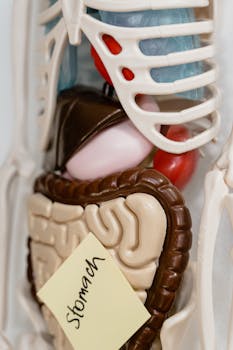
For many people, the question “does nicotine make you poop” is intriguing, especially given nicotine’s well-known stimulant properties. Whether you’re a frequent tobacco user or just curious, understanding how nicotine can influence digestive health is beneficial. Let’s unravel the connection between nicotine and bowel movements.
Does Nicotine Make You Poop?
The question of whether nicotine can encourage bowel movements is linked to its effect on the gut. Nicotine acts as a stimulant, which impacts your central nervous system and digestive tract. Nicotine’s stimulating properties involve increasing the production of certain chemicals in the brain, which can inadvertently lead to an increased frequency of bowel movements for some people.
Tobacco products, such as cigarettes and chewing tobacco, deliver nicotine into the system quickly, leading to various physiological effects, including digestive system responses. The involvement of nicotine can speed up the process called peristalsis—the rhythmic contractions of the muscles in the intestines that propel food along the digestive tract. This increased intestinal movement can result in more frequent trips to the bathroom.
Although nicotine’s effect on digestion is significant, it’s essential to note that individual responses vary. Factors such as overall diet, hydration, and general health can influence how a person’s digestive system responds to nicotine.
Understanding Nicotine’s Effect on the Digestive System
Nicotine’s impact on the digestive system is multi-faceted. As a stimulant, nicotine can increase heart rate and blood pressure, which may alter digestive processes. The stimulation of the nervous system can lead to increased muscle contractions in the intestines, prompting bowel movements in some users. This is one reason why some people might experience diarrhea soon after consuming nicotine.
While these effects may seem beneficial in relieving constipation for some users, there are broader implications to consider. Regular exposure to nicotine can have various health impacts beyond the digestive system, including cardiovascular and respiratory issues.
Does Nicotine Have Long-Term Effects on Digestion?
Long-term use of nicotine, particularly through smoking, can have harmful effects on the entire body, including the digestive tract. Frequent use of nicotine is associated with gastrointestinal disorders, including acid reflux and peptic ulcers. Tobacco use can also affect the gut microbiome, possibly leading to dysbiosis, which is an imbalance in the microbiota.
The cumulative effects of continuous nicotine exposure can strain your digestive health. People experiencing chronic digestive complaints might want to evaluate their nicotine consumption as part of their overall health strategy. Additionally, smoking is often accompanied by other lifestyle factors that can negatively impact digestion, such as poor dietary habits and insufficient physical activity.
Alternative Ways to Support Digestion
If you’re seeking ways to support healthy digestive functioning without relying on nicotine, there are numerous alternatives to consider. Incorporating a balanced diet rich in fiber, staying hydrated, and engaging in regular physical activity can enhance digestive health. Consulting with healthcare professionals can provide personalized advice tailored to individual needs.
For more insights into supporting your digestive system and recognizing related symptoms, consider exploring common symptoms of digestive health issues.
Conclusion: The Final Word on “Does Nicotine Make You Poop”
In summary, nicotine does indeed affect digestion, and for some, it can lead to increased bowel movements. Nonetheless, while nicotine might have this stimulating effect, it’s crucial to weigh the potential health risks associated with its consumption. A cautious approach to nicotine use is advisable, and healthy lifestyle habits should be prioritized for optimal digestive health.
For further reading on nicotine and related health implications, you may explore more about nicotine.
Takeaways
- Nicotine may increase bowel movements due to its stimulant effects on the nervous system.
- The digestive response to nicotine varies among individuals.
- Long-term nicotine use may have adverse effects on digestive health.
- Alternative ways to support digestion include healthy diet, hydration, and exercise.
- Consult healthcare providers for personalized advice on nicotine and digestion.
Frequently Asked Questions
How does nicotine affect bowel movements?
Nicotine stimulates the nervous system, which can increase intestinal contractions and lead to more frequent bowel movements.
Can using nicotine-based products cause digestive problems?
Long-term use of nicotine products can lead to digestive issues like acid reflux, ulcers, and disruptions in gut bacteria balance.
What are healthier ways to improve digestive health aside from nicotine?
Enhancing digestive health can be achieved through a balanced diet, sufficient hydration, regular physical activity, and consulting with healthcare professionals.
Is nicotine the same as a laxative?
No, nicotine is not classified as a laxative, but its stimulating effects can promote bowel movements in some people.
Should I consult a doctor about nicotine use and digestive issues?
Yes, discussing nicotine use and any digestive concerns with a healthcare provider can provide personalized health insights and guidance.
Other Articles You May Find of Interest...
- Why You Get Stomach Bloating and Gas After Eating Meat
- Why Does Chick-fil-A Make My Stomach Hurt?
- Dr. Omar Marar on the Evolution of Modern Colorectal Surgery
- Pain Where Your Appendix Was Removed Years Ago: Possible Causes
- Why Multi-Strain Probiotics May Offer Broader Digestive Support
- What a Healthy Colon Looks Like During Colonoscopy
- A Better Digestive Rhythm: Everyday Habits for Preventing Occasional Constipation