






More Pain Management & Rehabilitation Articles
Healing After a Sacral Fracture: Essential Insights for Recovery
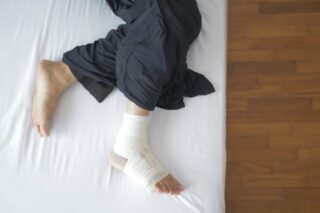
Experiencing a sacral fracture can be daunting and painful. This type of fracture, located at the base of the spine, can significantly impact mobility and daily activities. A comprehensive understanding of the recovery process is essential for effective healing and a return to normalcy. In this article, we delve into the intricacies of recovering from a sacral fracture, covering causes, symptoms, treatment options, and lifestyle adjustments that may aid in rehabilitation.
Understanding Sacral Fracture: Causes and Symptoms
The sacrum is a triangular bone situated between the lumbar spine and the tailbone. A sacral fracture occurs when there is a break in this bone, often resulting from trauma or underlying bone health issues. Common causes include falls, motor vehicle collisions, and conditions like osteoporosis.
Symptoms of a sacral fracture vary but often include localized pain in the lower back, hips, or buttocks. There might also be numbness or tingling in the legs, as well as difficulty standing or walking. These symptoms highlight the importance of early diagnosis and intervention.
Diagnosis and Treatment Options for Sacral Fracture
Proper diagnosis is pivotal for treating a sacral fracture effectively. Medical professionals typically use imaging tests like X-rays, CT scans, or MRIs to determine the extent of the fracture. Once diagnosed, the treatment pathway can be established.
Conservative management is common, especially for stable fractures, and may include rest, pain management, and physical therapy. In some cases, particularly where the fracture is unstable or complex, surgical intervention may be necessary. This could involve procedures to stabilize the bone using metal implants.
Non-Surgical Treatment Options
For those with stable sacral fractures, non-surgical approaches can be beneficial. Rest is crucial, allowing the body to heal naturally without the added stress of movement. Pain relief can be achieved through medications and applying ice or heat to reduce inflammation.
Physical therapy plays a vital role in recovery, focusing on strengthening the muscles around the sacrum and improving flexibility. Tailored exercises help in regaining mobility and ensuring that the patient regains their functionality safely.
When Is Surgery Required?
Surgery is typically reserved for severe cases where the fracture compromises the stability of the spine or when there is significant nerve involvement. Surgical options may include sacroiliac joint fixation or other forms of internal fixation to realign and stabilize the bone structure.
Rehabilitating After a Sacral Fracture
Rehabilitation is a key component of recovery and involves a multidisciplinary approach. It usually starts as soon as possible to minimize complications and promote healing.
Physical therapists work closely with patients to create a customized rehabilitation plan, focusing on activities that enhance strength and flexibility. Additionally, occupational therapists may be involved to assist patients in adapting to day-to-day activities, ensuring they remain as independent as possible during recovery.
Lifestyle Adjustments and Long-Term Recovery
Your lifestyle choices significantly impact the recovery process. Adequate nutrition, proper hydration, and a balanced intake of vitamins and minerals support bone health. Consider reading more about the impact of lifestyle choices on overall health to gain further insights into how small changes can lead to significant improvements in your recovery journey.
Maintaining a healthy weight reduces stress on healing bones. Low-impact exercises, such as swimming or cycling, may be recommended post-recovery to keep active without putting undue stress on the sacral region.
Prevention of Future Fractures
Preventing future sacral fractures involves a proactive approach to bone health. Regular weight-bearing exercises strengthen bones and enhance balance and coordination, reducing the risk of falls. Alongside this, maintaining bone density through adequate calcium and vitamin D intake is crucial.
If osteoporosis or another underlying condition is present, managing it appropriately with the help of a healthcare provider is essential. Regular healthcare check-ups and monitoring bone density can also aid in early detection and prevention of future fractures.
Conclusion
Recovering from a sacral fracture is a journey that requires patience and persistence. Through proper treatment, rehabilitation, and lifestyle modifications, you can regain your previous level of activity and quality of life. Understanding sacral fractures and following recommended guidelines ensure a smoother path to recovery.
- Sacral fractures typically result from trauma or bone health issues.
- Diagnosis involves imaging to determine fracture severity.
- Recovery may include rest, pain management, and physical therapy.
- Surgery is an option for severe or unstable fractures.
- Prevention focuses on bone health and fall risk reduction.
What causes sacral fractures?
Sacral fractures can be caused by traumatic events such as falls or car accidents or by underlying conditions like osteoporosis that weaken the bones.
How are sacral fractures diagnosed?
Diagnosis is usually made with imaging tests like X-rays, CT scans, or MRIs to assess the fracture’s location and severity.
What are the treatment options for sacral fractures?
Treatment options include conservative methods like rest, pain management, and physical therapy for stable fractures, while surgery may be necessary for severe cases.
How long does recovery from a sacral fracture take?
The recovery time varies depending on the severity of the fracture and the treatment approach. It can range from several weeks to several months.
How can I prevent future sacral fractures?
Prevention involves maintaining bone health through proper nutrition, weight-bearing exercises, managing underlying conditions, and minimizing fall risks.
For more information on maintaining overall health, please explore reputable sources or visit Wikipedia’s health section.
Other Articles You May Find of Interest...
- Choosing the Right Muscle Relaxant for Sciatica: Robaxin or Flexeril?
- Is Robaxin the Solution for Your Back Pain Relief?
- Indocin vs Ibuprofen: Which Pain Reliever Packs a Bigger Punch?
- Is Diclofenac a Potent Pain Reliever? Discover Its Strength and Uses
- Relieving Left-Side Hip Pain: Causes and Effective Remedies
- Effective Pain Relief: Gabapentin or Tramadol for Sciatica?
- Can Methocarbamol Effectively Reduce Inflammation?



