More Allergy, Asthma & Infectious Disease Articles
What You Need to Know About SubQ Injections for Effective Health Management
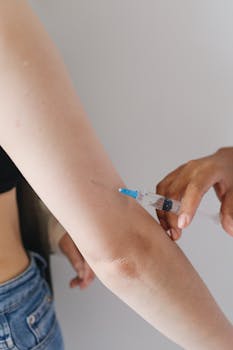
Subcutaneous injections, commonly referred to as subq injections, are a vital method for delivering medication into the body. By injecting the medicine directly under the skin, these injections offer a straightforward and efficient way to manage various health conditions. Whether you’re administering insulin, certain vaccines, or newer biologics, subq injections play an essential role in effective health management. Understanding the process, benefits, and considerations for subq injections can empower you to make informed decisions about your health care regimen.
Understanding the Process of SubQ Injection
Subq injection involves injecting medication into the layer of fat located just beneath the skin. This method is preferred for medications that require slow absorption, providing a steady release into the bloodstream. The most common areas for subq injections include the abdomen, thigh, and upper arm, allowing for convenient and accessible administration.
Benefits of SubQ Injections
The primary benefit of subq injections is the ease and convenience of delivering medication. For individuals who require frequent dosages, such as diabetic patients using insulin, sub q injections offer a way to maintain stability in blood sugar levels. Additionally, these injections generally cause less discomfort compared to intramuscular or intravenous injections.
Step-by-Step Guide to Administering SubQ Injections
For those new to administering subq injections, here is a straightforward guide:
- Wash your hands thoroughly with soap and water.
- Gather all necessary supplies: syringe, medication, alcohol swab, and a cotton ball.
- Clean the injection site with an alcohol swab and let it air dry.
- Pinch the skin gently around the injection site.
- Insert the needle at a 45-degree angle for adults, or 90 degrees for children or slimmer individuals.
- Inject the medication slowly and steadily.
- Withdraw the needle and apply pressure with a cotton ball.
- Dispose of the needle properly in a sharps container.
Common Uses for SubQ Injections
Subq injections are widely used for administering medications like insulin, hormones, and some vaccines. They are also employed in delivering biologic drugs for autoimmune conditions, vitamin B12 in deficiency states, and anticoagulants in certain medical situations. This method’s versatility makes it a staple in both acute and chronic health management scenarios.
Risks and Safety Precautions of SubQ Injections
While subq injections are generally safe, they do have potential risks. Common side effects include redness, swelling, or discomfort at the injection site. It’s crucial to rotate injection sites to prevent skin irritation. Educating yourself about the medication’s side effects and consulting healthcare professionals can minimize any adverse effects. For those seeking comprehensive ways to maintain optimal health through diet and exercise, our earlier article on safe and effective weight-loss strategies provides valuable insights.
Addressing Concerns About SubQ Injections
If you’re apprehensive about administering injections yourself, you’re not alone. Many individuals express concerns about the discomfort or potential for error. Proper training, often provided by healthcare professionals, is crucial in alleviating these fears. YouTube tutorials and online resources can also be helpful supplementary tools.
Transition and Adaptation
Switching to subq injections can be daunting but becomes routine with practice and support. Establishing a regimen where injections are performed at the same time daily helps improve compliance and reduce anxiety. Through community forums and patient support groups, sharing experiences with others can be both beneficial and comforting.
For further information on health and medical topics, this resource can be a helpful guide.
Embracing the Role of SubQ Injections
Incorporating subq injections into your healthcare routine can significantly enhance management of certain health conditions. By understanding the necessity and procedure, you can confidently embrace the role of subq injections for long-term health benefits and improved treatment outcomes.
- Subq injections allow for easy and effective medication delivery.
- They offer less discomfort compared to other types of injections.
- Understanding the administration process is key to efficient use.
- Proper training and precautions mitigate risks.
- Adapting to subq injections is possible with practice and support.
FAQ
What is the purpose of a subq injection?
Subq injections are used to deliver medication slowly into the bloodstream, ideal for drugs like insulin and certain vaccines.
How should I prepare for a subq injection?
Preparation involves washing hands, sterilizing the injection site, and having the necessary equipment ready.
What are the common side effects of subq injections?
Common side effects include site redness, swelling, or mild pain, which are commonly alleviated by site rotation.
Can subq injections be self-administered?
Yes, with proper training and practice, individuals can administer subq injections themselves.
Where can I find more information on subq injections?
Reliable resources include healthcare providers, medical literature, and educational websites dedicated to health topics.
Other Articles You May Find of Interest...
- How to Keep Pollen Out of Your Home: Choosing an Air Purifier for Pollen
- When Should Your Child See a Pediatric Allergist? A Three-Trigger Test
- Candida sp. rRNA Results: What Molecular Testing Detects
- Ant Bites or Poison Ivy? How the Rashes Differ
- Can Stress Cause Cold Sores on the Lips?
- Gram-Positive Rods in a Blood Culture: Contamination or Infection?
- Can Head Lice Get Into Your Ears?